Quick summary
- Ask the operator about minimum ages and small life jackets before you book. The evening runs long and finishes late, so plan naps and snacks.
- Boat motion, heat, low canoe seats and a late return are the things to discuss with your doctor and the operator before you decide.
- You do not need to swim to see the plankton glow. Tell the crew you are not a confident swimmer and stay near the guide after dark.
- On guided sea canoe trips the crew usually paddles, so you can sit back and watch. Ask for a turn with the paddle if you want one.
- Cave passages are low and narrow, and you enter lying back in the canoe. Ask about boarding help and low seats before you pay.
- Top choice Bioluminescent canoes from US$88 Duration8 hours[1]Rated4.77 from 2,619 reviews[1]GuideEnglish, Spanish, German[1]CancellationFree cancellation[1] Check availability
- Twilight sea canoe from US$106 Duration1 day[2]Rated4.90 from 1,954 reviews[2]GuideEnglish[2]CancellationFree cancellation[2] See this tour
- Big boat canoeing from US$48 Duration10 hours[3]Rated4.72 from 4,048 reviews[3]GuideEnglish, Thai[3]CancellationFree cancellation[3] See this tour
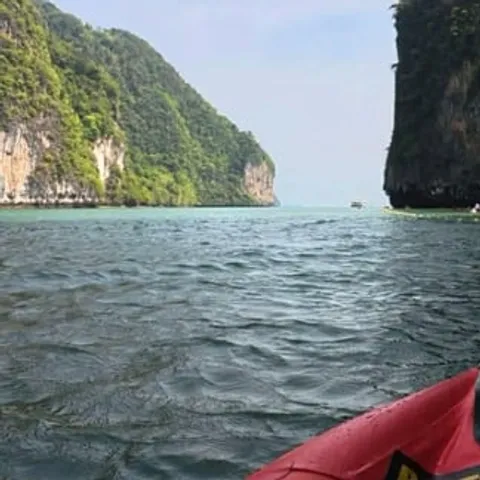
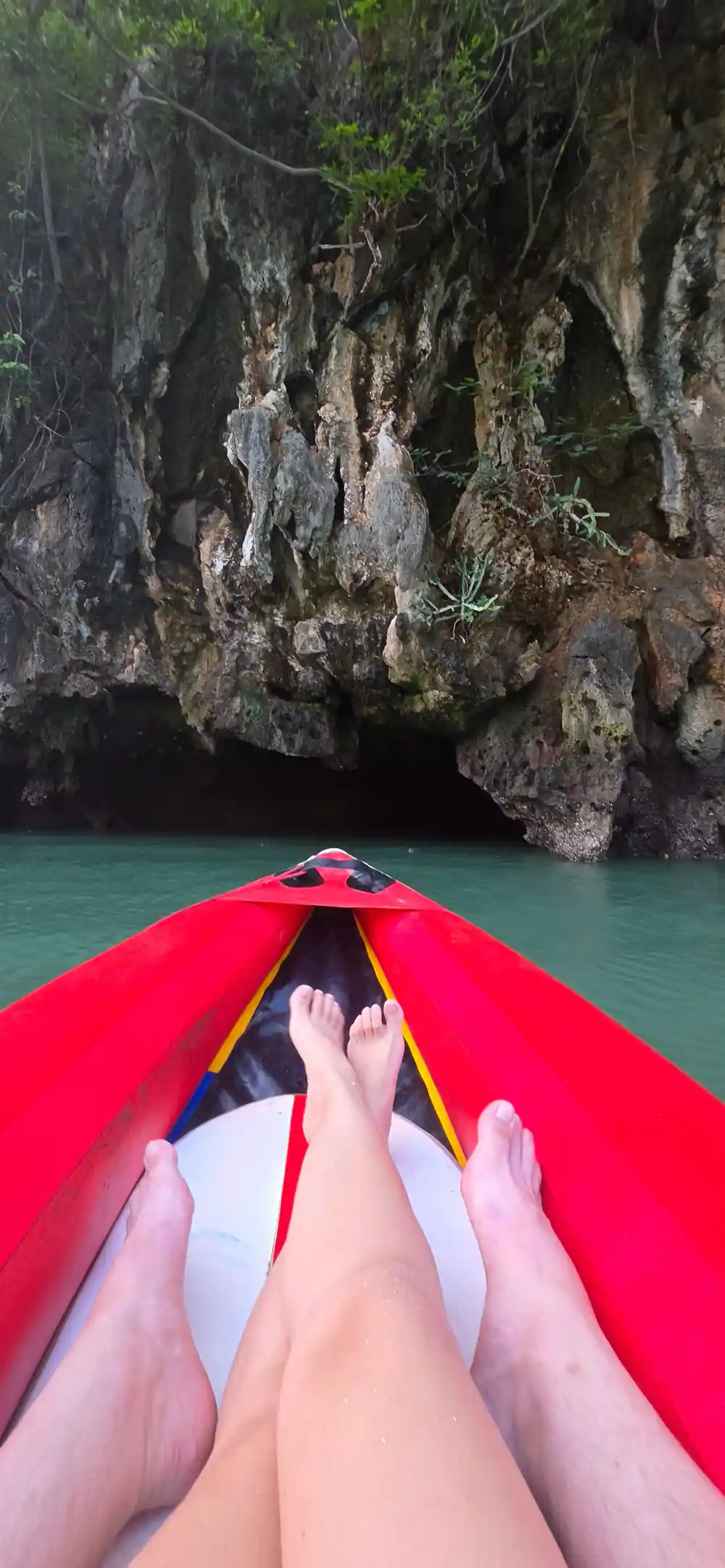
The word "Hong" means "room" in Thai, describing these enclosed lagoons that exist like secret chambers within towering limestone cliffs. These geological wonders can only be reached by lying flat in a kayak and paddling through dark, narrow cave passages that open into breathtaking hidden worlds.
Is this night canoe tour right for you?
Booking tips
On the night
- The tour runs 8 hours, so plan a late return[1]
- A light layer for the speedboat ride back after dark
- Hands inside the boat and away from the water while it is moving
- Tell the crew if you need help boarding or sitting low in a canoe
Can children join the bioluminescent canoe tour?
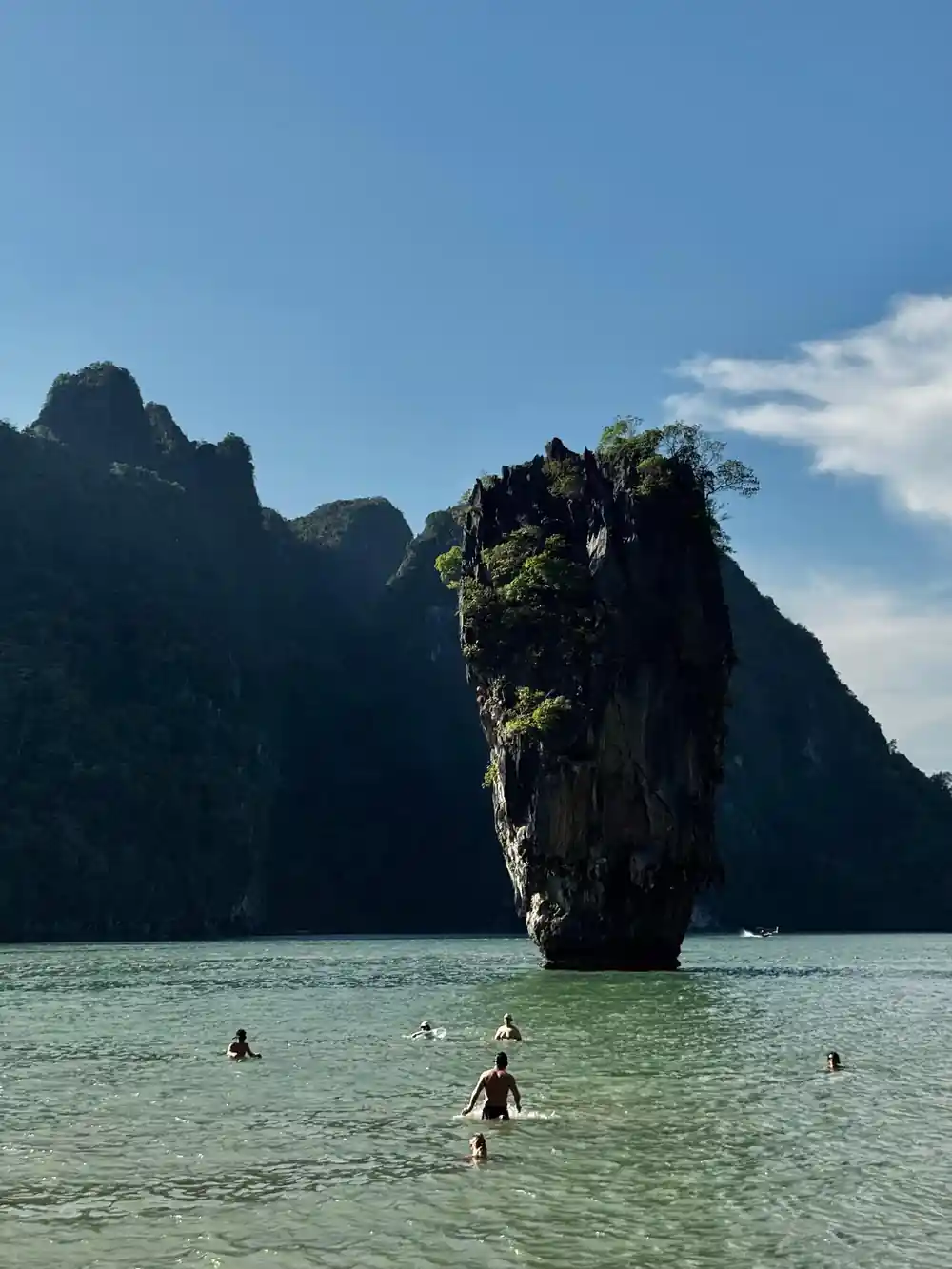
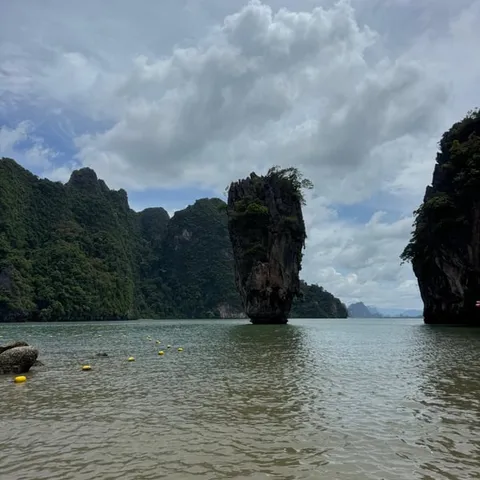
This is an evening on the water rather than a quick paddle. The tour runs for 8 hours and uses a van, a speedboat and canoes, stopping at Panak Island, Ko Hong, James Bond Island and Phang Nga Bay before the plankton stop.[1] James Bond Island, officially Ko Tapu on the twin-peaked islet of Khao Phing Kan, is the limestone spire made world-famous by the 1974 film The Man with the Golden Gun.[4] A live guide travels with you and speaks English, Spanish and German.[1] Pickup is available, and you check the pickup options when you book.[1]
If you are asking can you kayak with a baby, the answer depends on the baby and on the operator. A night speedboat crossing is loud and bouncy, the canoe sits low on the water, and the return trip is late. Ask the crew about minimum ages, about what the smallest life jackets fit, and about whether a carrier works in a canoe. Families often find a daytime boat trip, or a shorter evening outing, an easier first taste of the bay. Take a snack, a drink and a light blanket for the ride back, and sit near the middle of the boat where the motion is gentler. Older children usually love the dark, the spray and the hunt for glowing water, and a small head torch each keeps their hands busy.
Can you kayak while pregnant?
Sitting low in a small canoe, ducking through cave passages and crossing open water by speedboat after dark are the physical parts of this trip, and the tour runs for 8 hours.[1] Whether that suits you is a medical question rather than a holiday one. Talk to your doctor about motion, heat and a late finish, and tell the operator how far along you are when you book so the crew can plan around you. Free cancellation up to 24 hours in advance for a full refund gives you room to change your mind.[1]
If you decide to go, ask for a seat near the guide, keep your weight low and centred in the canoe, and accept help getting in and out. Standing up in a canoe is the thing to avoid. If a night on the water is not right for you this time, Phang Nga Bay is still there in daylight, and the limestone cliffs look just as dramatic under a blue sky. A daytime boat trip with shade, easy seats and a slow pace is often the gentler choice, and you still see the same islands, the same caves and the same hidden lagoons.
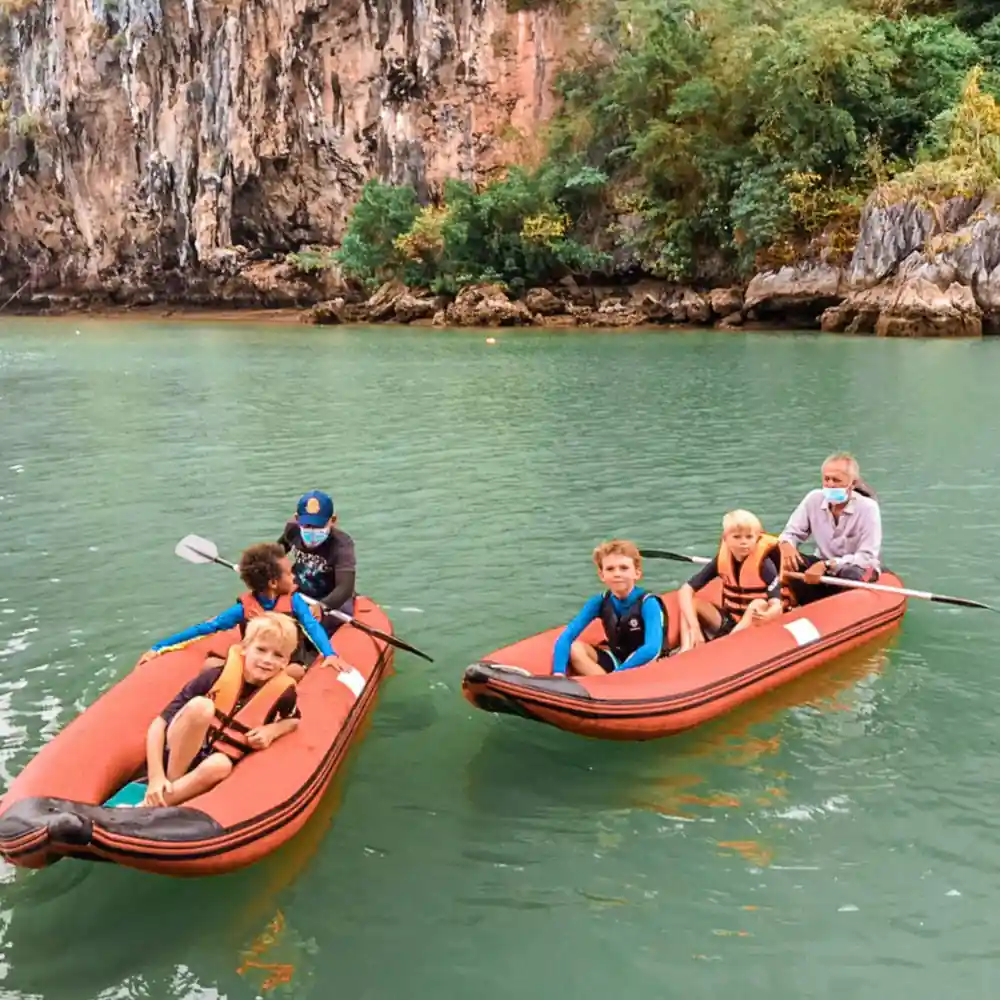
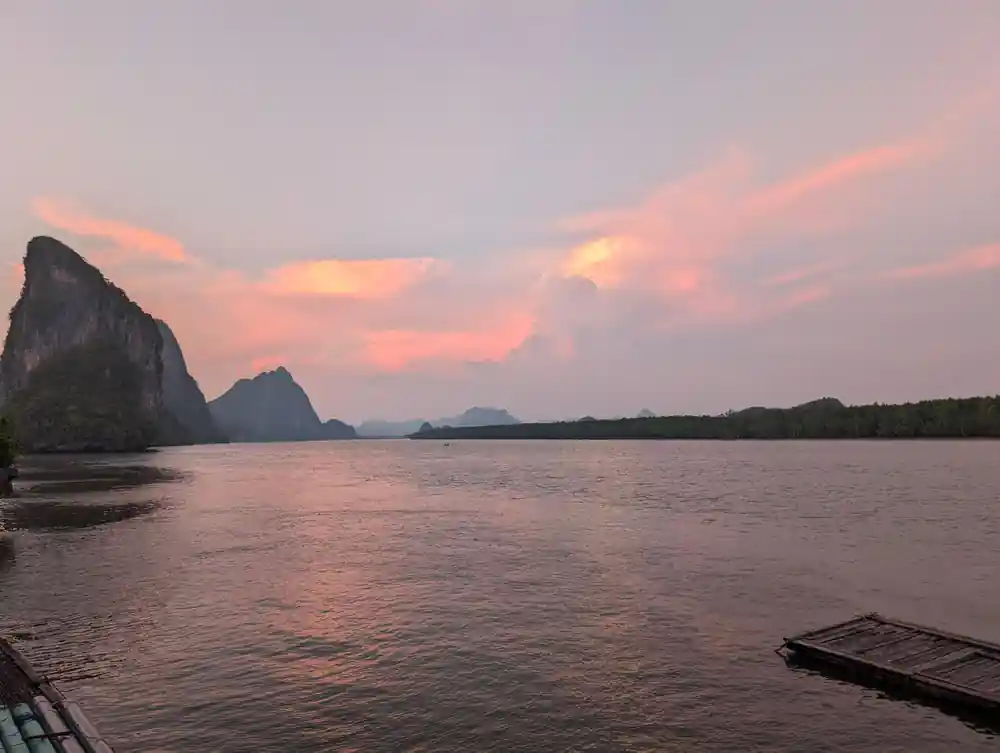
Canoes drift under limestone cliffs as the light leaves Phang Nga Bay.
Can you swim in Phang Nga Bay, and do non-swimmers miss out?
You do not need to swim to see the plankton. The glow appears in the water around the canoe, so passengers watch from the boat, and a non-swimmer can enjoy the whole stop sitting down. Can you swim in Phang Nga Bay is a fair question if you were hoping for a night dip, and the honest answer is that it depends on the night, the tide and the guide's call. Ask before you leave the pier, not after dark.
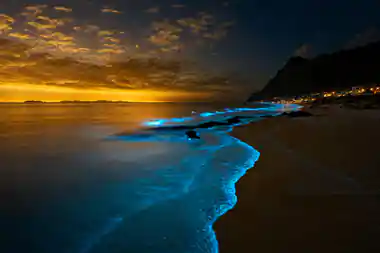
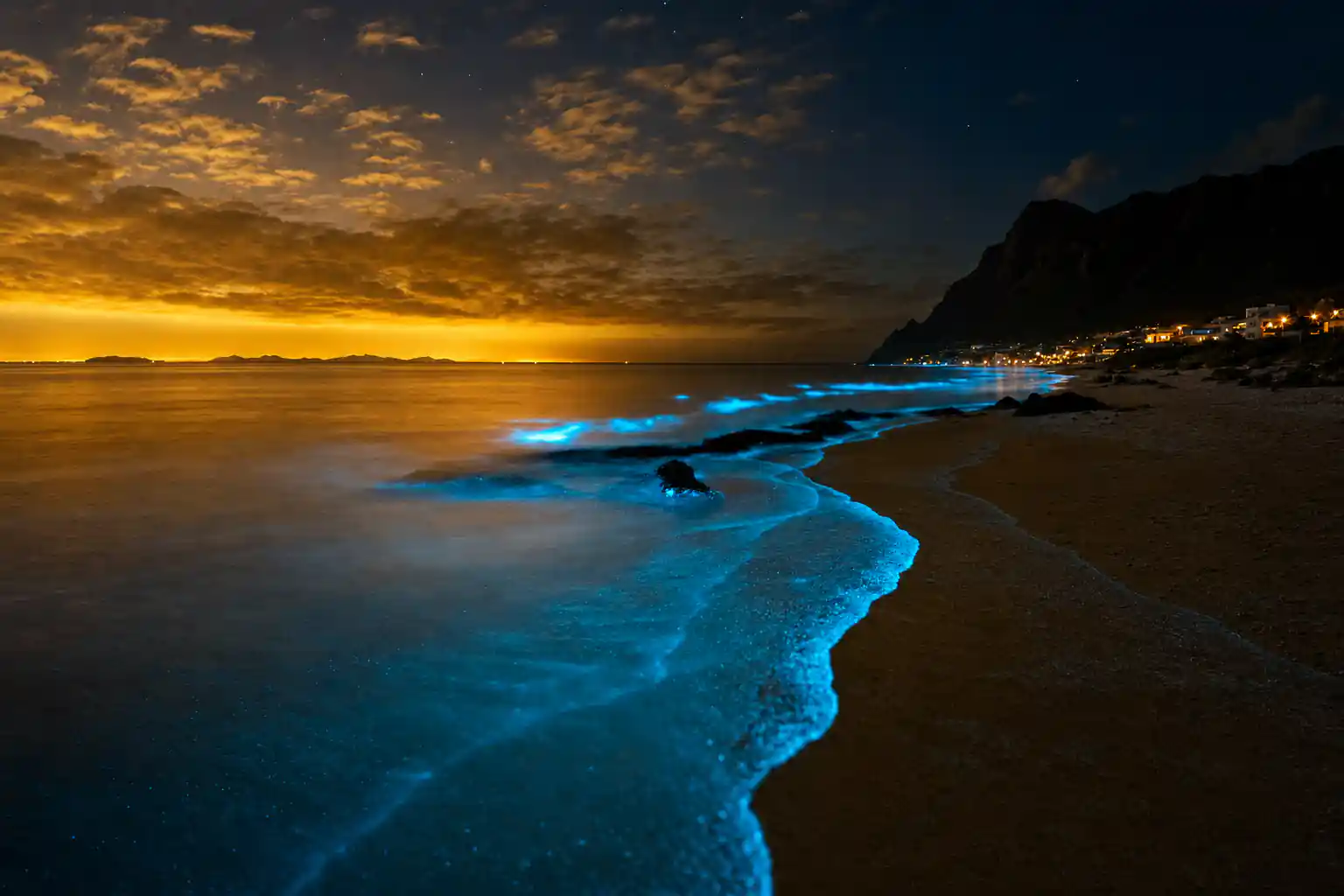
Tell the crew early that you are not a confident swimmer, and mention it again at the plankton stop. The guide on this listing speaks English, Spanish and German, so you can explain your comfort level clearly.[1] The glow comes from dinoflagellates, microscopic single-celled organisms that emit blue-green light when they are disturbed by the water.[5]
Dark water plays tricks on depth and distance, even for strong swimmers, so stay near the boat and keep a hand free. If you do get in, tell the crew first and stay where the guide can see you, and watch for other boats moving through the bay. Most people on a night trip never touch the water at all, and that is perfectly normal. The glow shows up just as brightly from your seat, and you stay warm, dry and ready for the ride home.
Who paddles the canoes, and how stable are they?
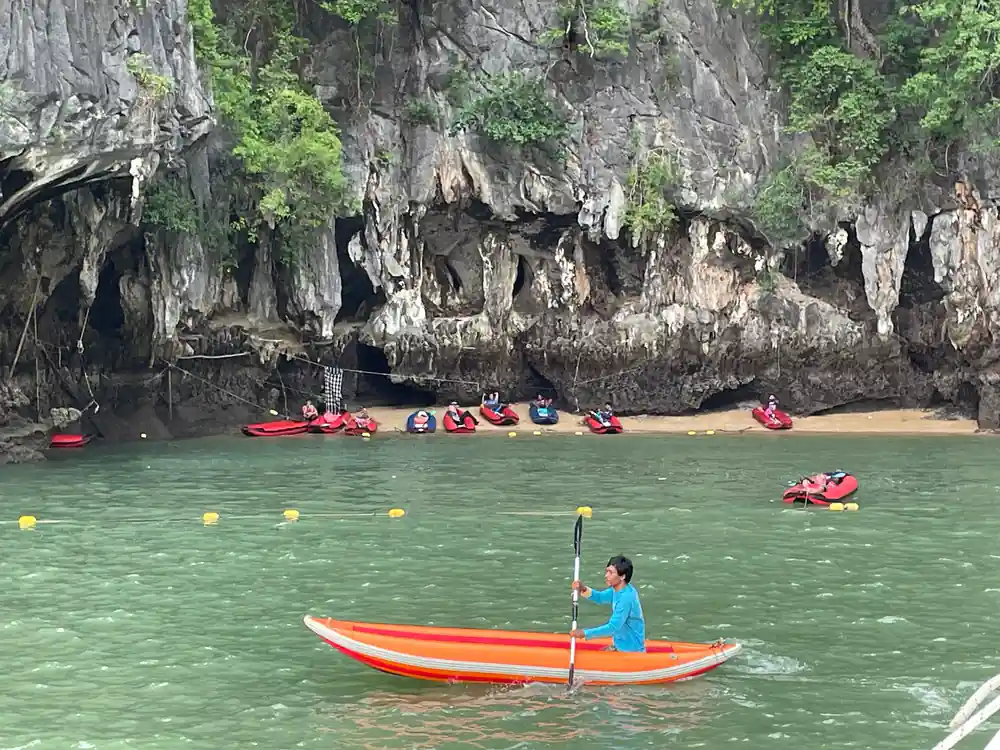
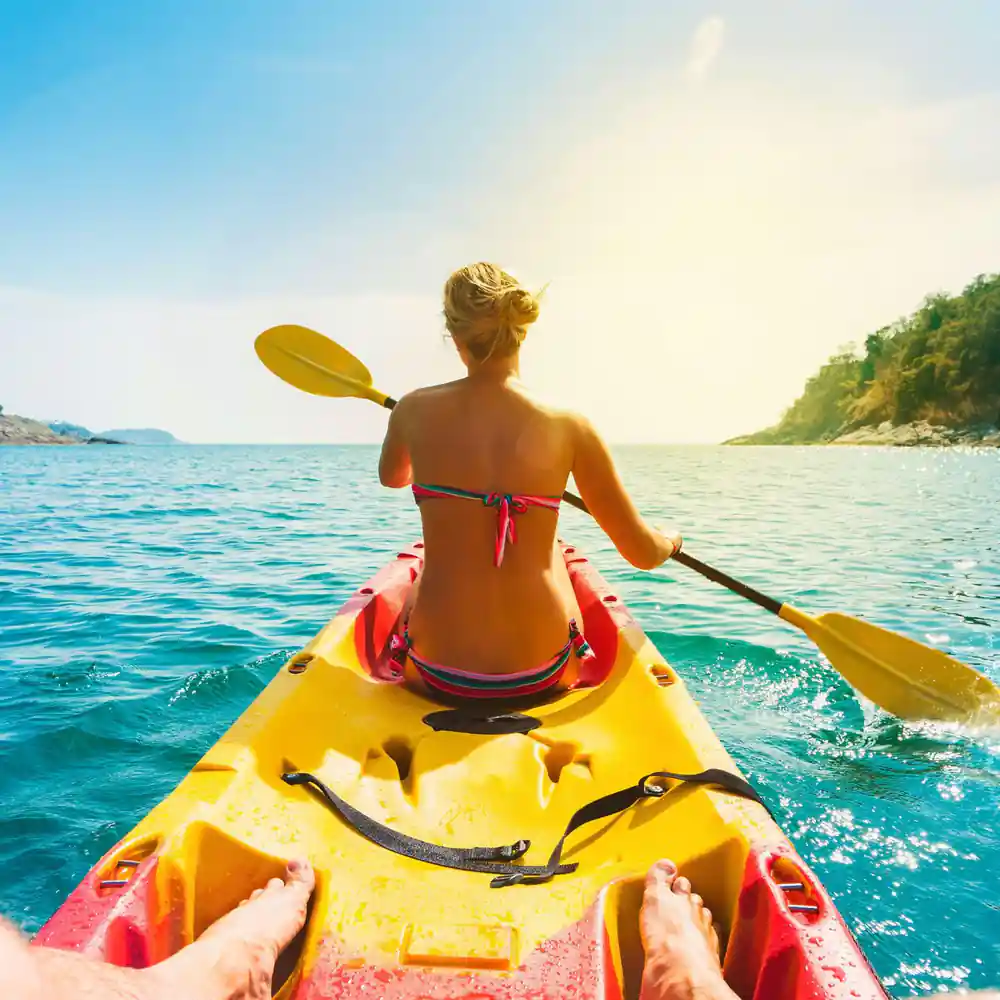
On guided sea canoe trips a local crew member usually does the paddling, so you sit still with your weight low while someone who knows the tides steers. That suits families, older guests and anyone who has never held a paddle. The canoes are wide and open, and they are hard to tip when everyone stays still and centred.
If you want a turn, ask before you board. A guide can hand you a paddle and show you the stroke, or keep paddling while you take photos. Put phones and cameras in a dry bag while the canoe is moving, and stow them completely for the cave passages. Sit with your back straight and your weight in the middle, keep your hands inside the hull, and let the crew time your step in and out. Two people sit one behind the other, so agree who takes the front seat before you push off.
from US$88
The Phang Nga Bay bioluminescent plankton and sea canoe tour runs 8 hours with a live guide and pickup available.[1]
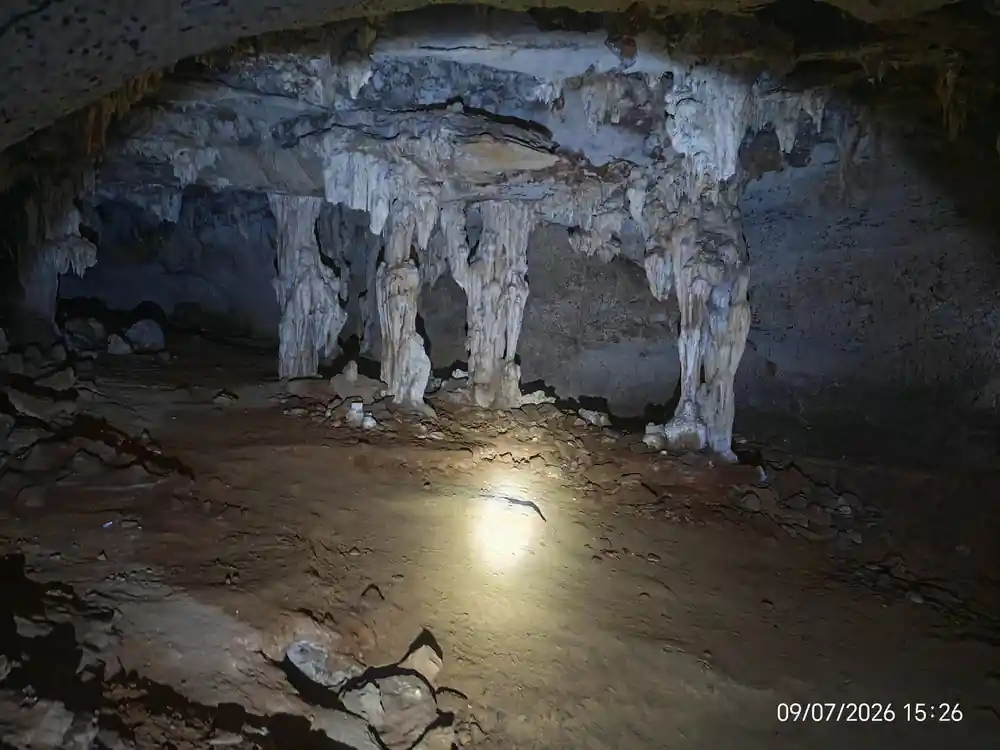
Are the caves spacious, or could they feel claustrophobic?
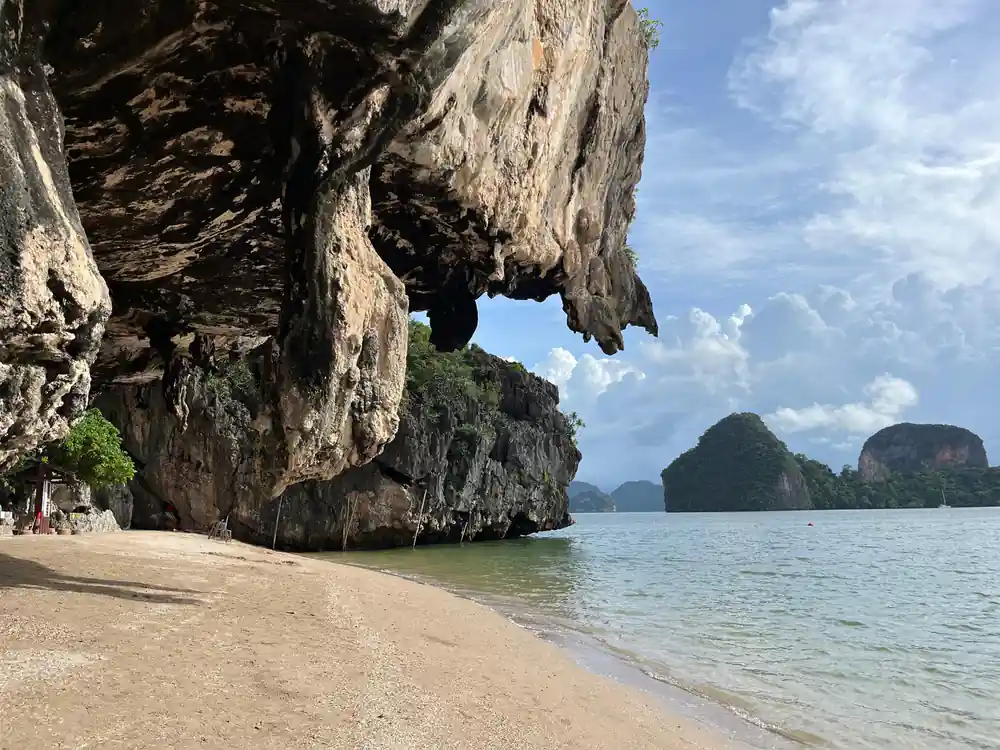
Phang Nga Bay hongs are enclosed lagoons that sit like secret chambers inside towering limestone cliffs, and the only way in is to lie flat in a kayak and paddle through dark, narrow cave passages that open into hidden worlds.[6] The flat-on-your-back moment is short, but it is the part to think about if tight spaces bother you.
You can sit out any cave and stay with the boat; nobody has to go through. Your eyes adjust quickly in the dark, and the lagoon beyond often opens into a wide sky. If you would rather not be at the back of the group, ask the guide to go through early, while there is still some light on the water. Lie back, keep your arms inside the canoe, and let the crew pull you through at their own pace. Once you are inside the hong, the cliffs rise around you on every side.
Jellyfish, sea urchins and Phuket safety at night
Warm tropical water brings stinging jellyfish, sea urchins on rock and coral, and small fish that nip if you trail a hand. Phuket safety on the boat itself is simple: shoes off, hands inside, stay seated while the speedboat is moving, and follow the crew once the light goes. This is park water, part of Ao Phang Nga National Park, established in 1981 and covering about 154 square miles (400 square kilometers).[7]
Two practical points before you pack. Alcohol is not allowed in Thailand's national parks, so leave the drinks at the hotel.[8] The foreign adult entrance fee for Ao Phang Nga National Park is 300 baht, so keep some cash handy.[9]
The plankton is wild rather than switched on, and its brightness shifts with the moon, the tide and the season. Bring a light layer for the ride back, wear shoes that stay on wet decks, and keep a small dry bag for your phone. Eat before pickup, since the night is long and the meal stops depend on your operator. Keep your expectations loose as well: a dark, calm night and a patient crew make the difference.
Can guests with limited mobility join?
Boarding a speedboat and settling into a low canoe seat are the two hardest moments of the night. Ask the operator about steps, handrails and boarding help before you pay, and think honestly about whether you can crouch, step down and move around a moving deck in the dark.
If you want more space and fewer transfers, look at the big boat options in the bay, where you sit higher and step across a wider deck. Pickup is available on this listing, and you check the pickup options when you book, so choose a hotel pick-up point that keeps the walk to the van short.[1] Wet decks are slippery, so grip the rail and take the crew's hand. A folding walking stick, a light rain jacket and shoes with grip all help, and a companion who can carry the bags makes boarding much calmer.
From-prices of Phang Nga Bay canoe and plankton tours
Every bar is the from-price of the listing it names:[1],[2],[3],[10].
Compare US dollar from-prices
All amounts are US dollar from-prices per adult:[1],[2],[3],[10].
When to book a night canoe trip
Booking tips
Check who is going
Count the children, the grandparents and anyone who is pregnant, then read the trip length and the late finish before you decide.
Ask the operator
Message about ages, life jackets, swimming ability and mobility, so you know what the crew can help with on the night.
Pick a dark, calm night
The plankton glow shows best in dark, calm water, so check the moon and the forecast before you choose a date.[5]
Plan your pickup
Pickup is available on this listing, and you check the pickup options when you book, so confirm your hotel and eat early.[1]
Pack light
Take a light layer, a dry bag, flat shoes and sun cream for the daylight stops, and leave anything precious at the hotel.
See the plankton glow by sea canoe after dark
from US$89Reserve now & pay later