Quick summary
- Ao Phang Nga National Park was established in 1981 and spans approximately 154 square miles (400 square kilometers).[1]
- Foreign adults pay 300 baht to enter Ao Phang Nga National Park, which is a Category 3 national park.[2]
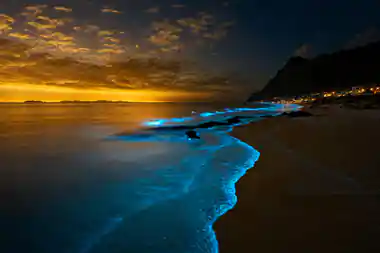
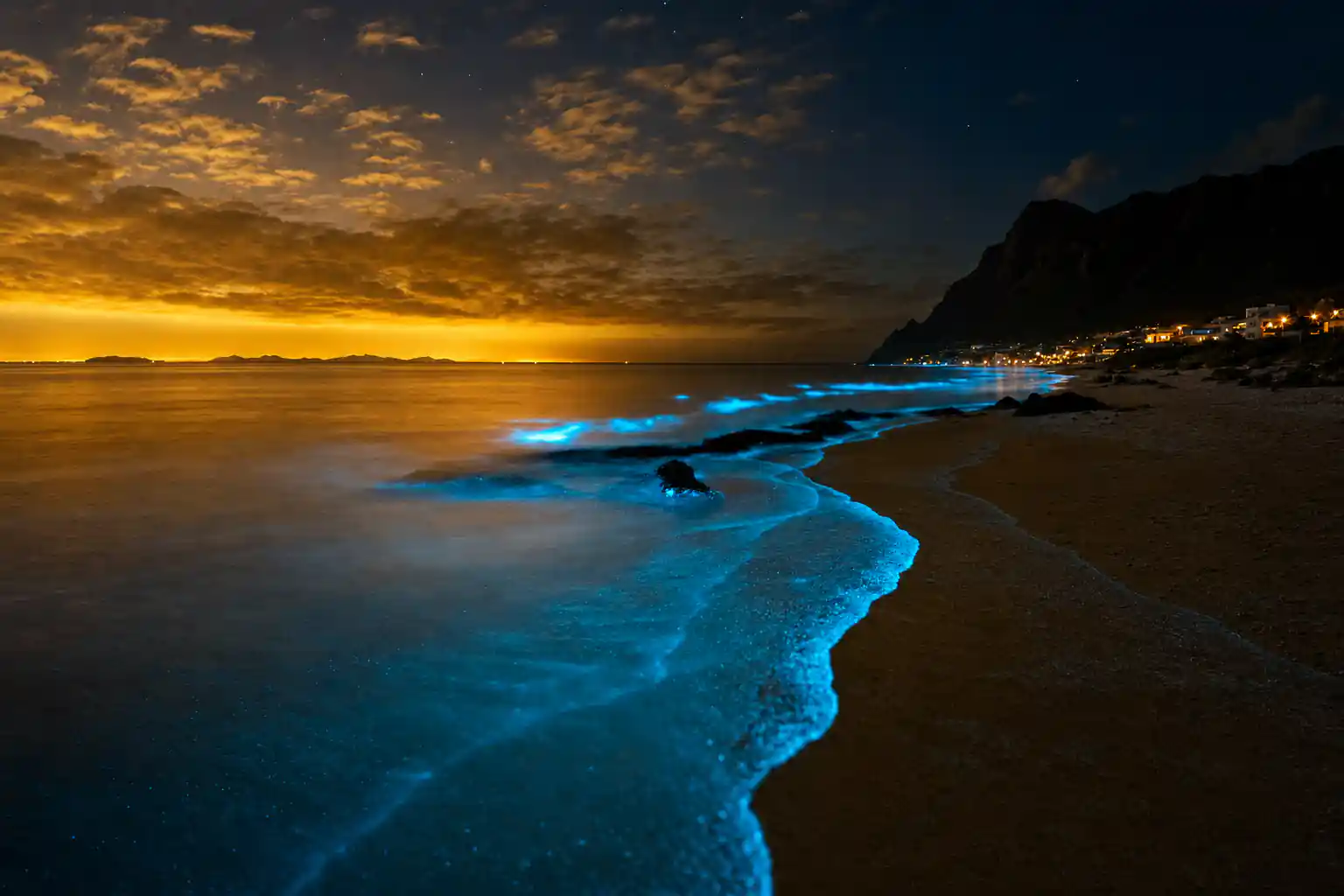
- The light comes from dinoflagellates, microscopic single celled organisms that give off blue green light when the water is disturbed.[3]
- Some night kayak tours in Phang Nga Bay include a sunset paddle where participants can watch bioluminescent plankton glowing in the water.[4]
- Alcohol is not allowed in Thailand's national parks, so keep any drinks for after your day on the water.[5]
- Top choice Plankton & Sea Canoes from US$88 Duration8 hours[6]Guide languageEnglish, Spanish, German[6]Traveller rating4.77 from 2,619 reviews[6]Free cancellationUp to 24 hours before[6] Check availability
- Phang Nga Bay Big Boat from US$48 Duration10 hours[7]Guide languageEnglish, Thai[7]Traveller rating4.72 from 4,048 reviews[7]Free cancellationUp to 24 hours before[7] See this tour
- Twilight Sea Canoe from US$106 Duration1 day[8]Guide languageEnglish[8]Traveller rating4.90 from 1,954 reviews[8]Free cancellationUp to 24 hours before[8] See this tour
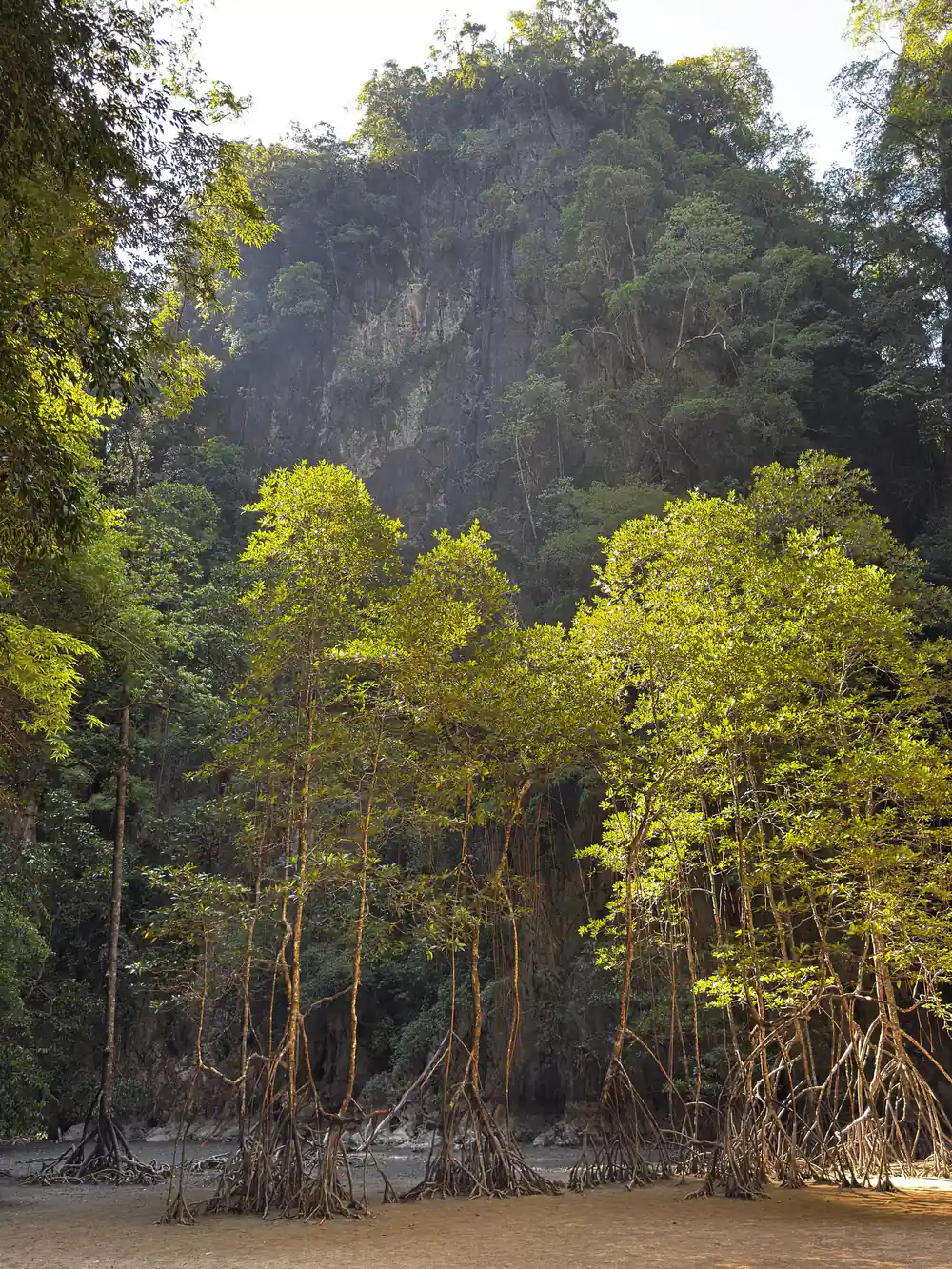
Some of the mangrove plant species found along the coast are; Rhizophora apiculata, Rhizophora mucronata, Avicennia alba, Avicennia officinalis, Bruguiera cylindrica, Bruguiera parviflora, Xylocarpus granatum and Xylocarpus moluccensis.
Our Verdict: Glow, Limestone and a Protected Bay
Booking tips
A Protected Treasure: The Park's Status
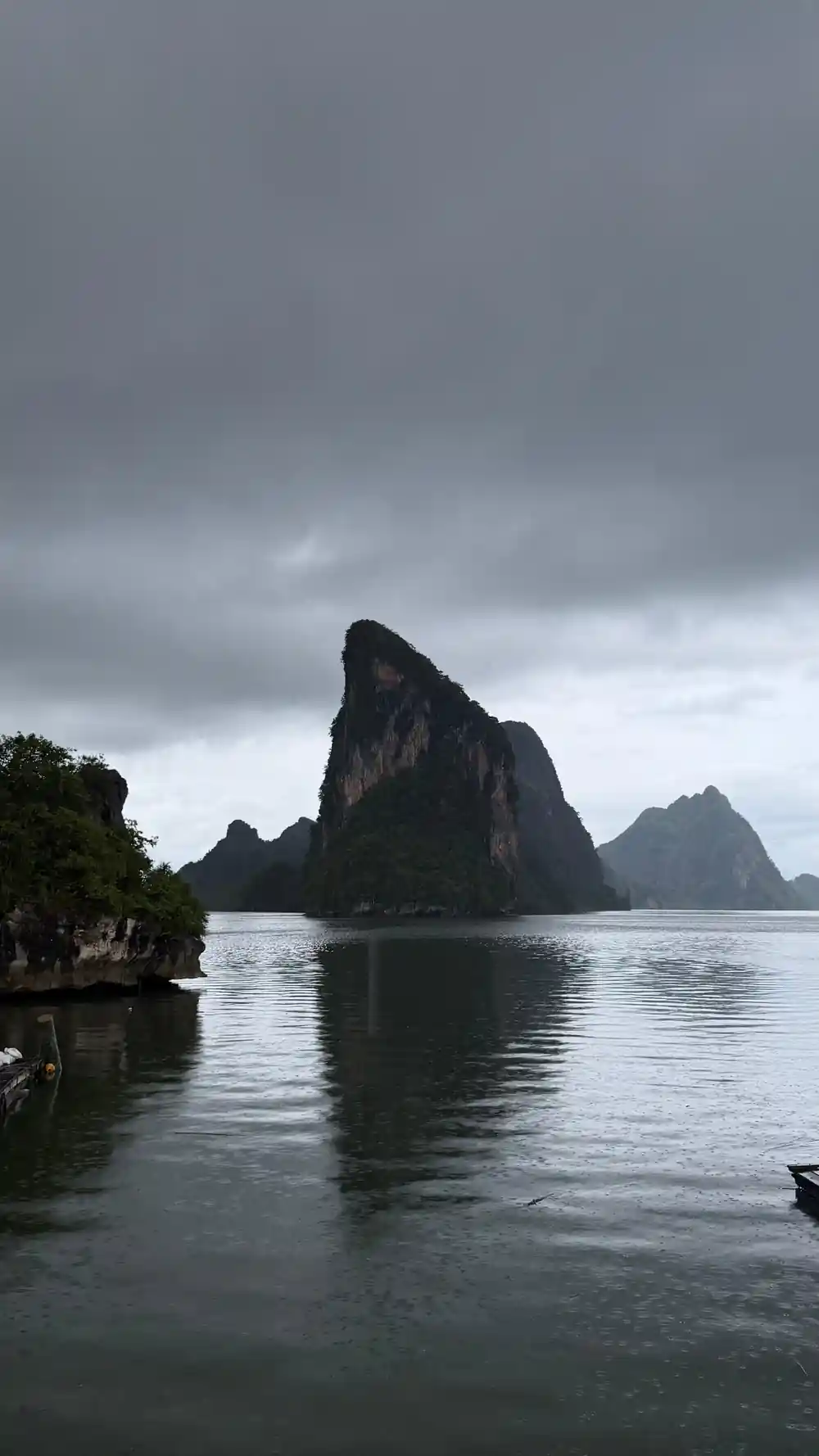
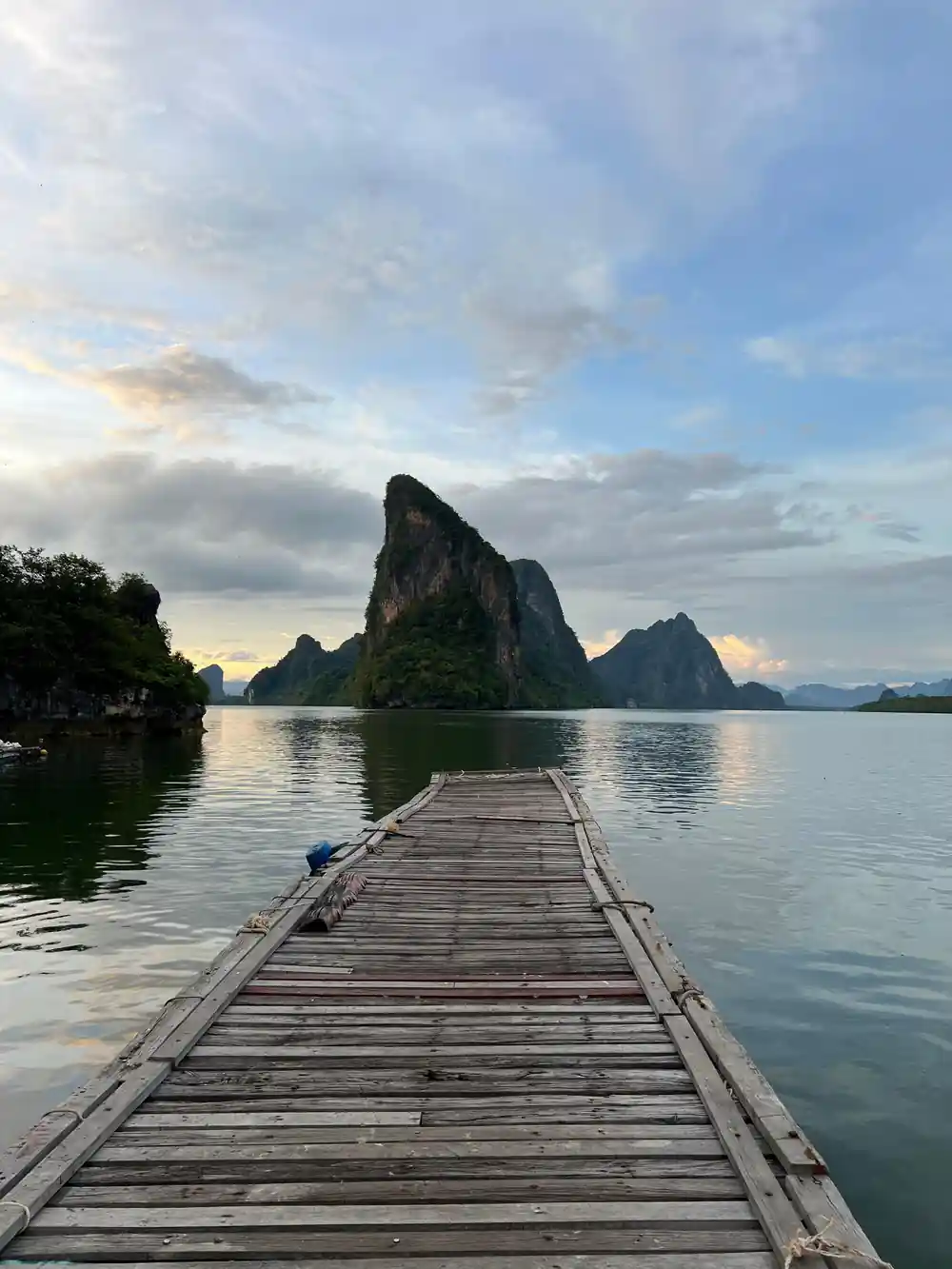
Ao Phang Nga National Park was established in 1981 and spans approximately 154 square miles (400 square kilometers).[1] It takes in a shallow, sheltered bay where limestone karsts rise straight out of green water, with mangroves and tidal channels tucked behind them. On an Ao Phang Nga map the whole thing reads as a scatter of steep islands and narrow channels, and from a boat the scale creeps up on you: cliffs like broken teeth, water that changes colour with the light and the tide, and birds working the shallows. The whole area is a Category 3 national park.[2]
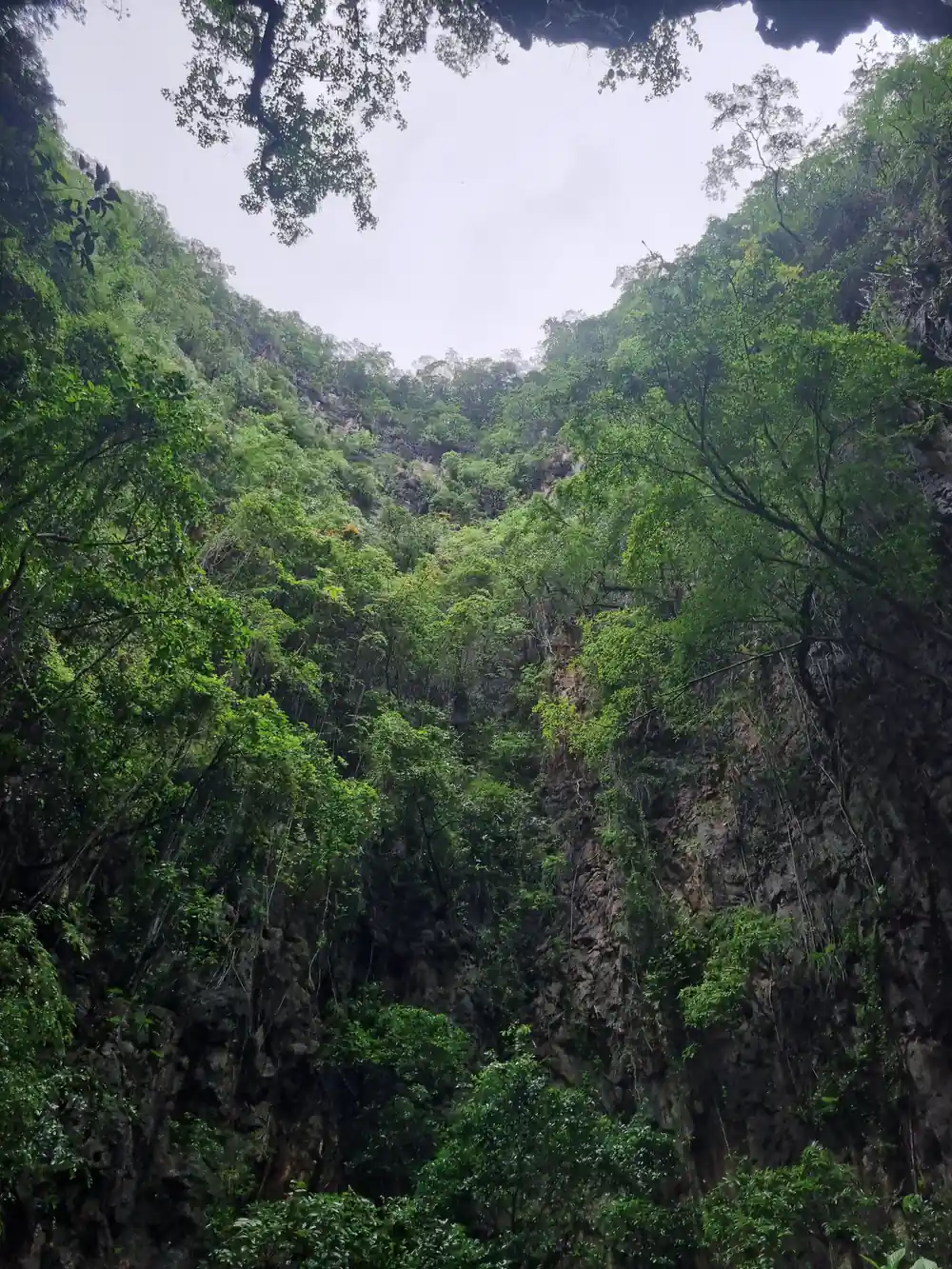
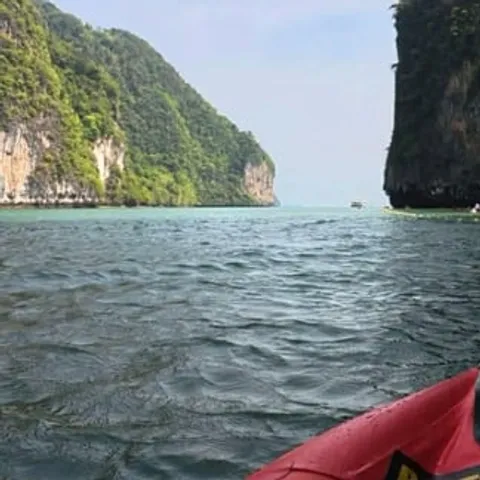
The signature feature is the hong, the Thai word for room: an enclosed lagoon hidden inside a limestone cliff, reached by lying flat in a kayak and paddling through a dark, narrow cave passage into a hidden world.[10] Some hongs are tight enough that your shoulders almost brush the rock. Others open into quiet amphitheatres where the only sounds are dripping water and paddles, and the walls carry ancient shell lines from when the sea stood higher.
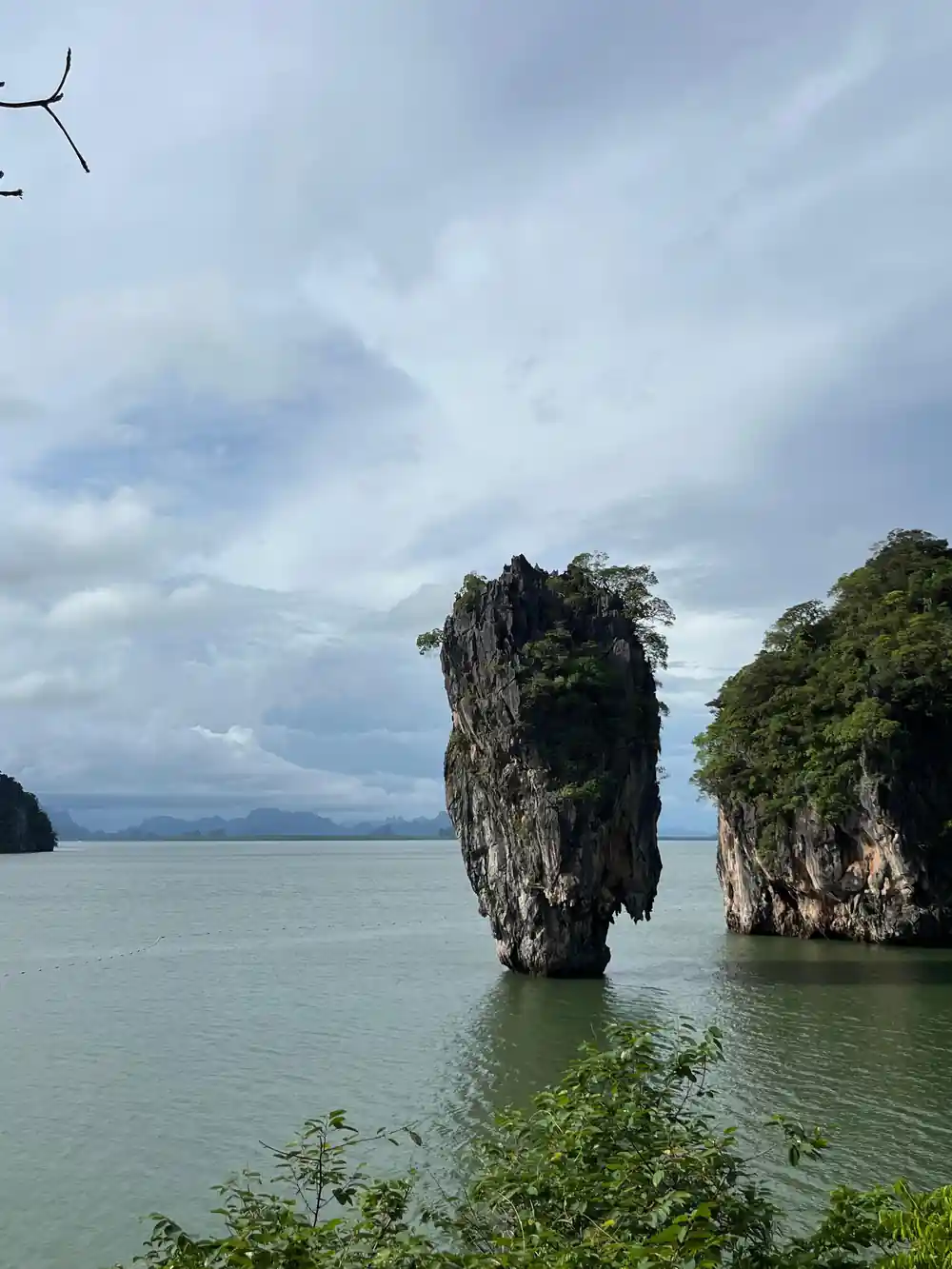
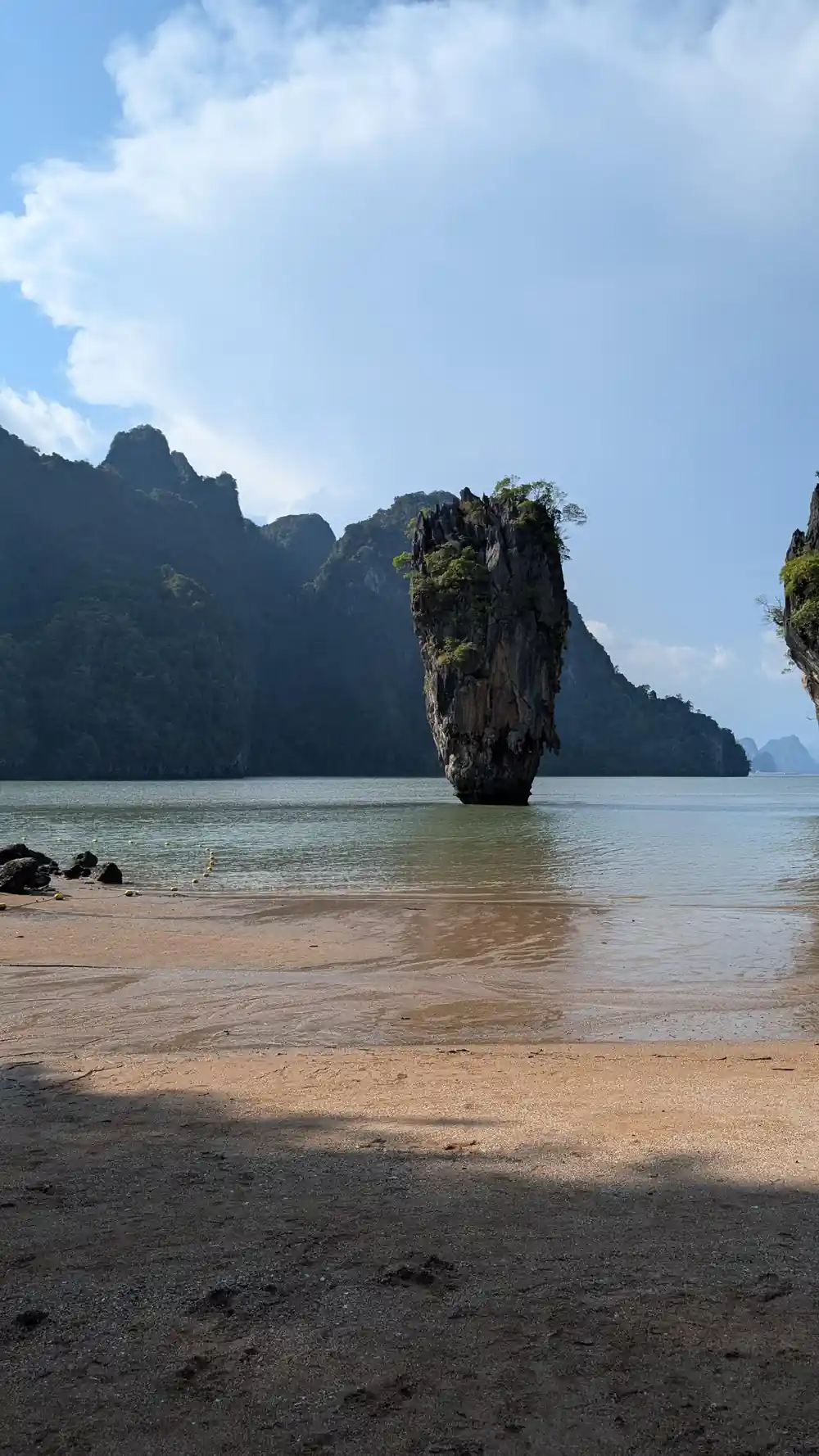
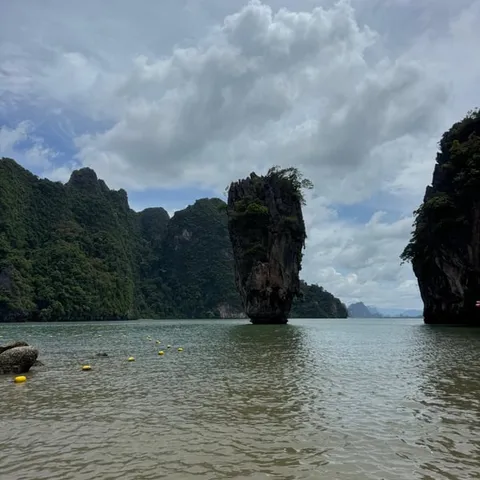
James Bond Island is the other name you will hear at every pier. Officially Ko Tapu, it stands on the twin peaked islet of Khao Phing Kan and was made world famous by the 1974 film The Man with the Golden Gun.[11] At kayak height the spire reads very differently from the postcard: a slim limestone column leaning over a shallow shelf of green water, with the rest of the bay moving behind it.
Protection, Park Status and What It Covers
Questions about how the bay sits on the world heritage list come up whenever travellers compare this landscape with other famous ones in the region. What you can plan around is the park itself: Ao Phang Nga National Park was established in 1981 and spans approximately 154 square miles (400 square kilometers).[1] Protection here is not a single gate or fence. It is a working mix of park status, mangrove that is left standing, and the many small decisions made by the people who paddle, skipper and swim in the bay.
For a visitor the practical side is short. You are entering a managed area, foreign adults pay the park fee, and one clear rule is that alcohol is not allowed in Thailand's national parks.[2][5] The rest is about the place itself: hongs that can only be reached by kayak through dark, narrow cave passages[10], the mangrove species recorded along the Phang-Nga coast[12], and water where dinoflagellates give off blue green light when they are disturbed.[3]
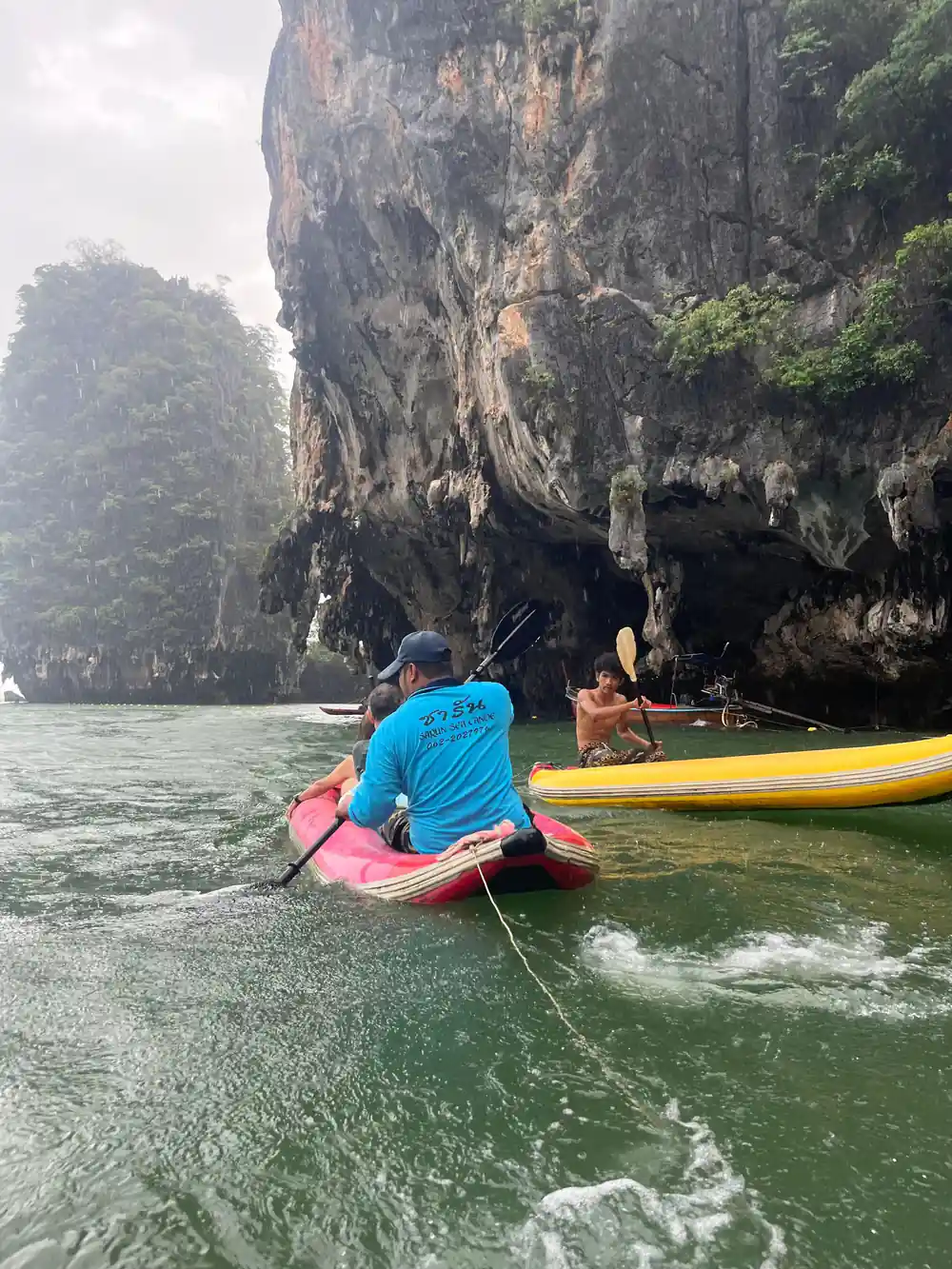
Kayaks slipping between limestone karsts on a calm afternoon in Ao Phang Nga National Park.
How the Entrance Fee Works
The entrance fee is one of the few fixed numbers in a day on the bay. Foreign adults pay 300 baht to enter Ao Phang Nga National Park, which is a Category 3 national park.[2] Knowing it before you go means the figure does not arrive as a surprise on the pier, and it is easy to fold into the cost of the day alongside your boat, food and transfers.
A national park label covers the whole place, not only the famous viewpoints. It takes in the mangrove, the tidal channels, the hongs, the seabed and the islands that day boats pass without stopping. Entrance money at this scale does not tell the full story of what it costs to look after a bay, but it is the visible part of the arrangement for anyone visiting.[2] Treat it as part of the day rather than an extra, and remember that a protected area runs on rules as much as on scenery.
Mangrove Forests: The Bay's Natural Guardians
Mangrove is the bay's quiet architecture. From a boat it looks like a low green wall; from a kayak it becomes a maze of roots and shade where the water goes still and small crabs move across the mud. The mangrove plant species recorded along the Phang-Nga coast include Rhizophora apiculata, Rhizophora mucronata, Avicennia alba, Avicennia officinalis, Bruguiera cylindrica, Bruguiera parviflora, Xylocarpus granatum and Xylocarpus moluccensis.[12]
These forests line the shallow edge of the park, and they are the part of Phang Nga Bay that most boat traffic passes at speed. Paddling into a channel under the branches slows everything down: the light drops, the engine noise fades, and the scale shifts from postcard cliffs to something close and tangled. If your itinerary offers a mangrove or lagoon stop, take it, and ask your guide what you are looking at.
300 baht
The entrance fee for foreign adults at Ao Phang Nga National Park, a Category 3 national park in Phang-nga.[2]
Water Clarity and the Plankton Glow
The glow is biology, not magic. In Phuket and Phang Nga Bay the light comes from dinoflagellates, microscopic single celled organisms that emit blue green light when the water is disturbed.[3] Run your hand through the sea on a dark night and a faint trail blooms and fades. It is subtle, it happens in real time and no phone screen really does it justice.
Some night kayak tours in Phang Nga Bay include a sunset paddle under the evening sky where participants can watch bioluminescent plankton glowing in the water.[4] If that is the point of your trip, plan around the dark: calm water, low torch light and a slow paddle rather than a fast one. Clarity shifts from hour to hour and from tide to tide, so go in with curiosity rather than a fixed picture of what you will see.
Daylight has its own rewards. The limestone walls show their texture, the shallow shelves turn turquoise, and in calm corners you can see straight down to the sand. A day trip for the cliffs and a separate night paddle for the glow give you two very different versions of the same park, and the boat time is easier to enjoy when it is not doing both jobs at once.
Visiting Responsibly: Paddler Principles
Inside a hong, everything depends on doing less. You lie flat in the kayak and paddle through a dark, narrow cave passage, with your guide setting the pace.[10] Keep your hands inside the boat, follow the crew's timing through the cave, and stay quiet enough to hear the water move. The reward is a lagoon that feels newly found, even when you are sharing it with other paddlers.
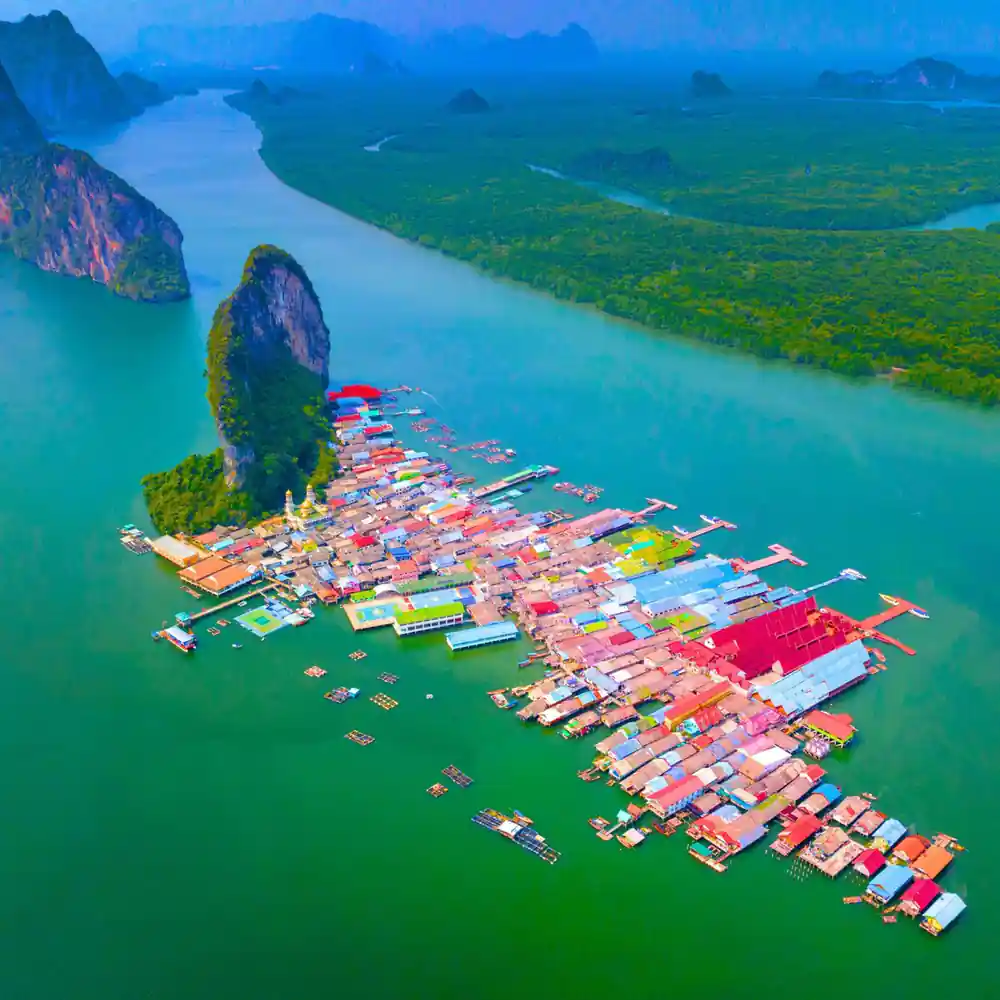
Alcohol is not allowed in Thailand's national parks, so save the toast for back on land.[5] At the village stops, remember that Koh Panyee is a floating village in Phang Nga Bay, built entirely on stilts by Indonesian fishermen and sitting at the foot of a towering limestone cliff.[13] It is a place where people live and work all year, not a film set, so walk, buy something small and keep voices low.
The park also holds older stories. Prehistoric cave paintings at Khao Khian are estimated to be around 3,000 to 5,000 years old and show animals, boats and various symbols on the limestone.[14] Standing in front of them, the bay stops being only scenery and becomes a place people have crossed by boat for a very long time.
The Path Forward: Sustainable Tourism
Thailand's national parks are not a new idea. Khao Sok, further north, was established as Thailand's 22nd national park in 1980 by the Royal Forest Department.[15] Ao Phang Nga came in a different decade and looks nothing like it, but both belong to the same long project of setting landscapes aside while there is still something worth setting aside.
For travellers, sustainable tourism here is mostly small choices. Book with operators that offer free cancellation and clear itineraries, so plans can shift if the weather does.[6] Join a shared boat rather than asking for a private one for two people, carry your rubbish back to land, and choose departure times that spread the load across the day. None of that is dramatic on its own. Multiplied across a season, it is what keeps a protected bay worth protecting.
If you want one trip that shows the bay after dark, the Phuket: Phang Nga Bay Bioluminescent Plankton and Sea Canoes tour runs 8 hours from pickup and costs from US$88, with free cancellation up to 24 hours in advance.[6] It carries a 4.77 rating from 2,619 reviews.[6] Sunset over the karsts, a paddle into a hong, then a quiet stretch of water that lights up when you move through it: a fair summary of what Ao Phang Nga can still give you.
From prices for Phang Nga Bay boat tours
Bay tour from prices per adult
Adult US dollar from-prices of GetYourGuide listings:[6],[7],[8],[17].
When to plan your bay trip
Plan your bay day
Know the entrance fee
Foreign adults pay 300 baht to enter Ao Phang Nga National Park, which is a Category 3 national park.[2]
Match the trip to the light
Day trips give you the caves and hongs in full light; night and twilight paddles are when the plankton glow shows.[4][10]
Pack for wet caves
You lie flat in the kayak to slide through the cave passage into a hong, so wear clothes that can get wet and bring a dry bag.[10]
Leave the alcohol at home
Alcohol is not allowed in Thailand's national parks, so plan any drinks for after the boat ride.[5]
Watch the water, not the flash
Plankton light up when the water is disturbed, so paddle slowly and keep torch use low.[3]
Paddle the hongs and watch the bay light up after dark
from US$89Reserve now & pay later