Quick summary
- Ao Phang Nga National Park was established in 1981 and spans approximately 154 square miles (400 square kilometers).[1]
- Ao Phang Nga National Park is a Category 3 national park and the foreign adult entrance fee is 300 baht.[2]
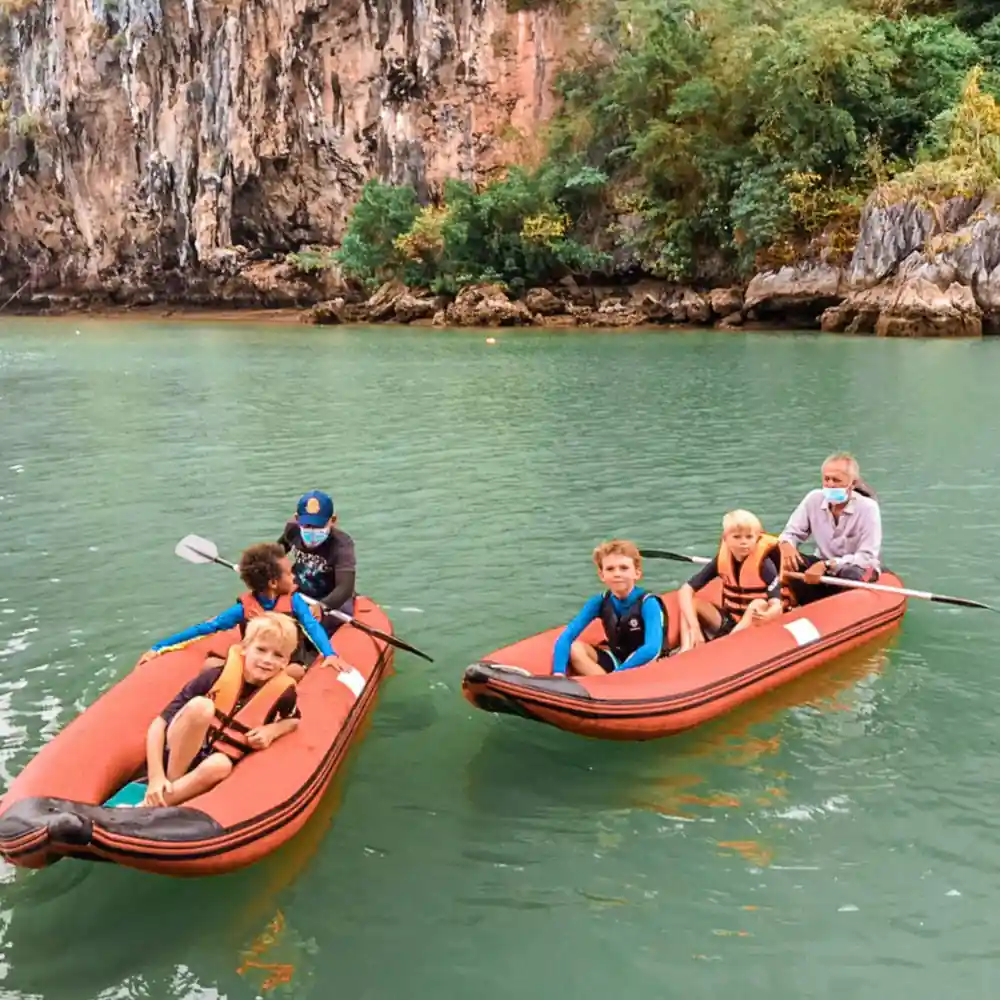
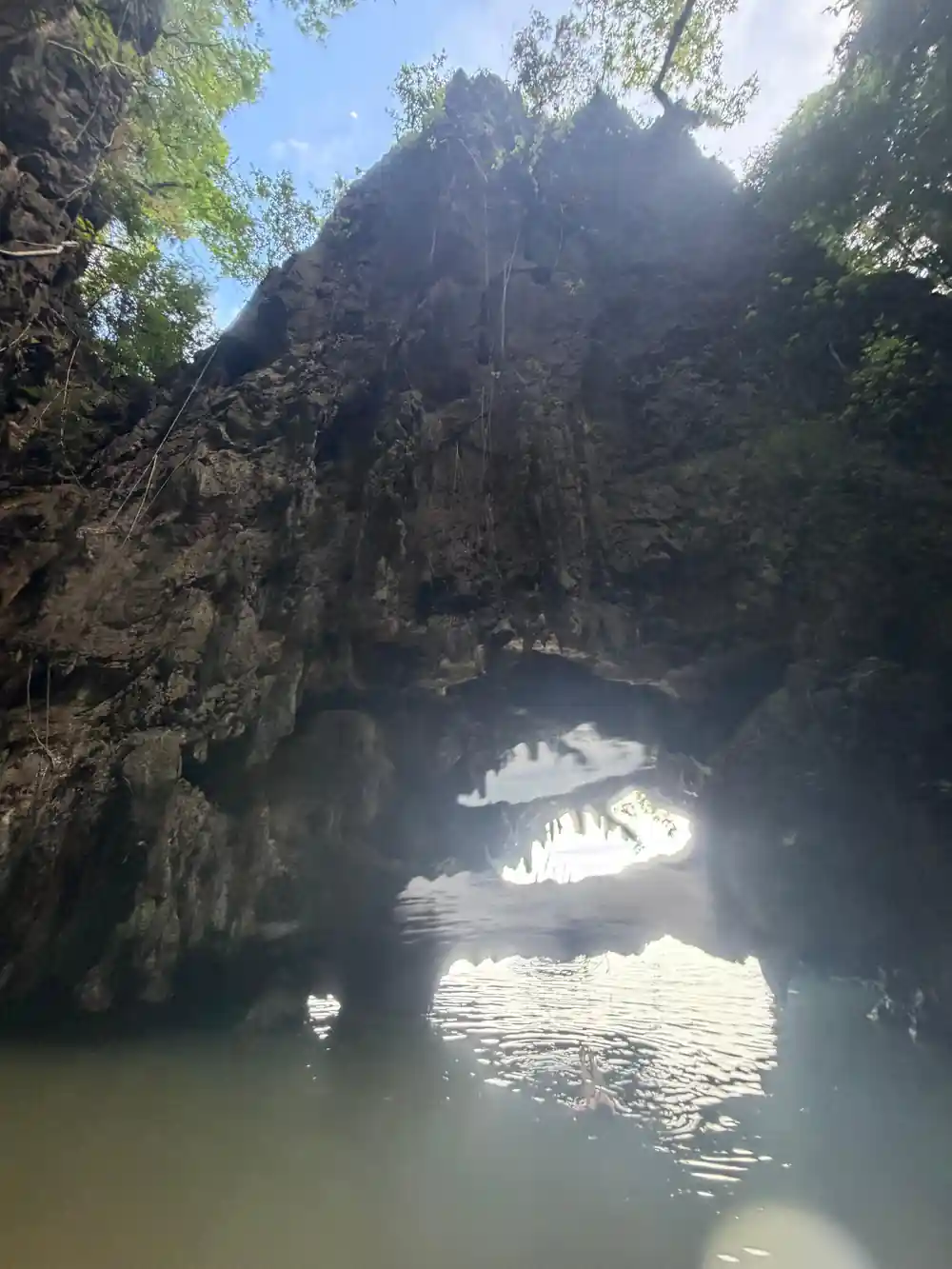
- Hongs are enclosed lagoons inside limestone cliffs, reached by lying flat in a kayak and paddling through a dark cave passage.[3]
- Alcohol is not allowed in Thailand's national parks. Plan your night on the water without it.[4]
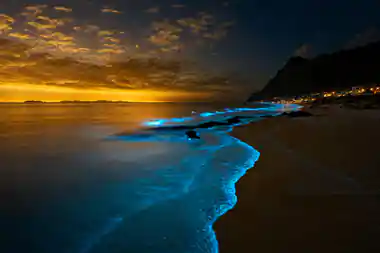
- Dinoflagellates in the water emit blue-green light when disturbed, best seen in dark, calm water.[5]
- Top choice Bioluminescent Sea Canoes from US$88 Duration8 hours[6]Rating4.77 from 2,619 reviews[6]Tour guideEnglish, Spanish, German[6]CancellationCancel up to 24 hours[6] Check availability
- Twilight Sea Canoe from US$106 Duration1 day[7]Rating4.90 from 1,954 reviews[7]Tour guideEnglish[7]CancellationCancel up to 24 hours[7] See this tour
- 7 Wonders 6 Islands from US$67 Duration8 hours[8]Rating4.78 from 2,575 reviews[8]Tour guideEnglish[8]CancellationCancel up to 24 hours[8] See this tour
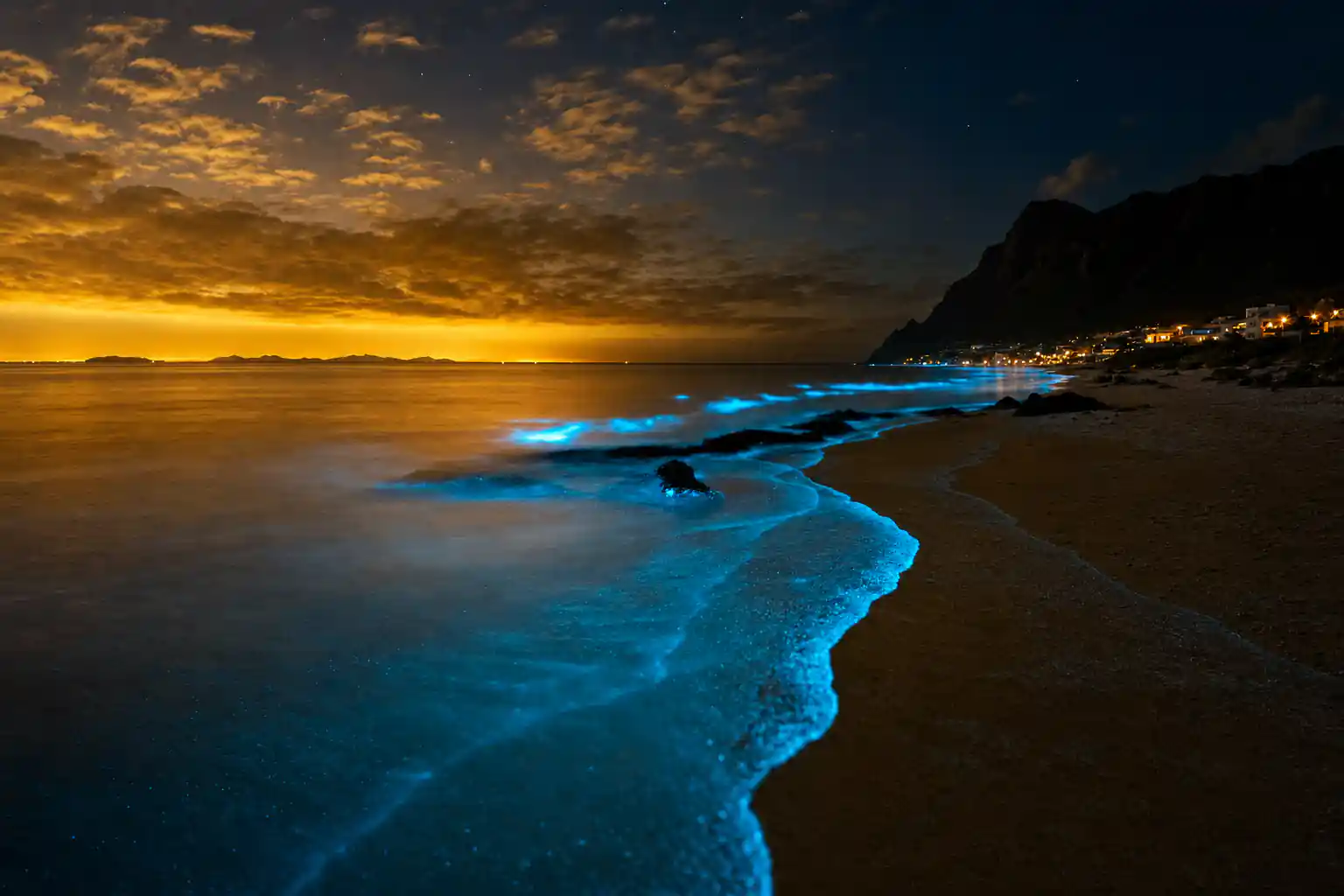
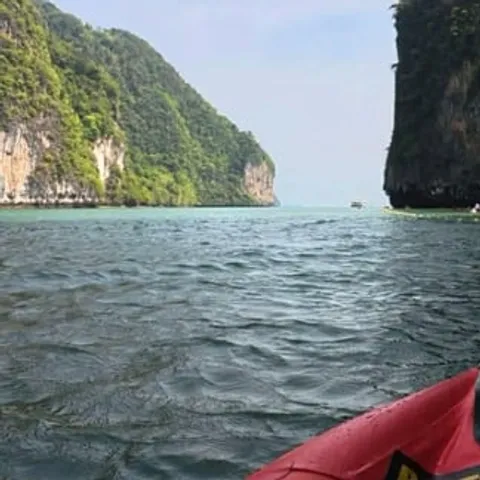
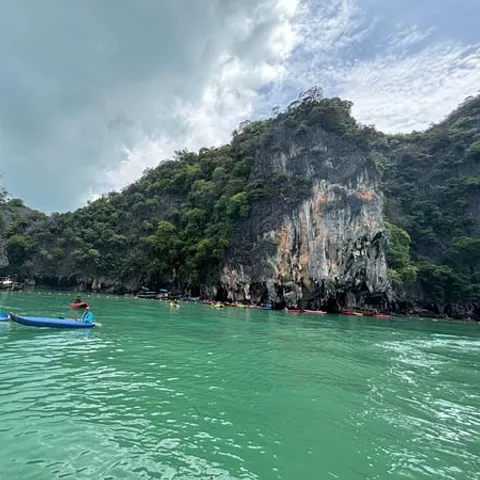
Bioluminescent plankton in Phuket are caused by dinoflagellates that emit blue-green light when disturbed, creating a glowing ocean effect best seen in dark, calm waters.
Is the bioluminescent canoe tour a responsible pick?
Before you board
Why the limestone stays untouched
Ao Phang Nga National Park was established in 1981 and spans approximately 154 square miles (400 square kilometers).[1] The towers inside that boundary began as coral and shell on an ancient seabed, were buried and hardened, then lifted and slowly dissolved by rain into the cliffs, caves and collapsed chambers that boats thread through today. Up close the rock is chalky, sharp in places and soft enough to mark with a fingernail. That softness records contact.
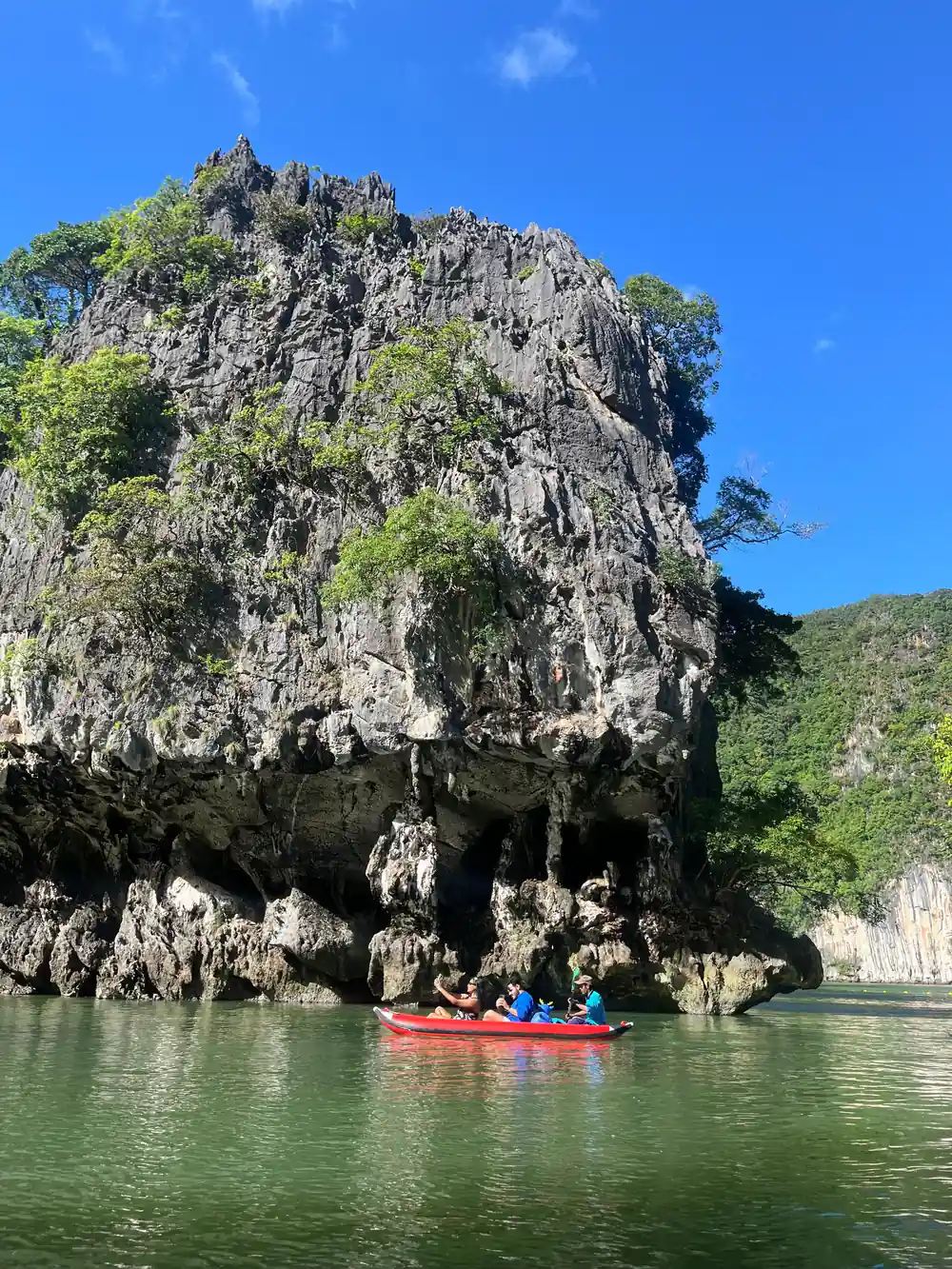
Guides ask everyone to keep hands, paddles and heads away from the cave ceilings and walls. The hongs are enclosed lagoons inside towering limestone cliffs, reached by lying flat in a kayak and paddling through dark, narrow cave passages.[3] The stalactites overhead form drip by drip over enormous spans of time, and a tip that snaps off is not replaced in your lifetime. Rings, watch straps and paddle blades all leave scratches, and sunscreen on your palms prints straight onto porous stone. Keep your hands on the gunwales and let the boat drift.
Sunscreen, water and plankton health
Bioluminescent plankton in Phuket are caused by dinoflagellates, microscopic single-celled organisms that emit blue-green light when disturbed.[5] Dark, calm water is where the glow reads best. On a night paddle, keep torch beams off the surface, let the kayak drift and watch for the blue trail that follows a paddle stroke; a beam aimed at the water kills the effect for everyone behind you. Whatever you wear on your skin ends up in that same water, and so does whatever you spray into the wind. A mineral or reef-safe sunscreen applied before you leave the hotel, plus a long-sleeve top for the ride back, keeps things simple.
Some night kayak tours in Phang Nga Bay include a sunset paddling experience under the evening sky where participants can see bioluminescent plankton glowing in the water.[9] Swim where your guide says it is safe, in a life jacket, and not inside a cave where the swell rises and falls out of sight. Rinse your gear with fresh water afterwards and skip harsh soaps on board. Small habits add up across a whole season of visitors.
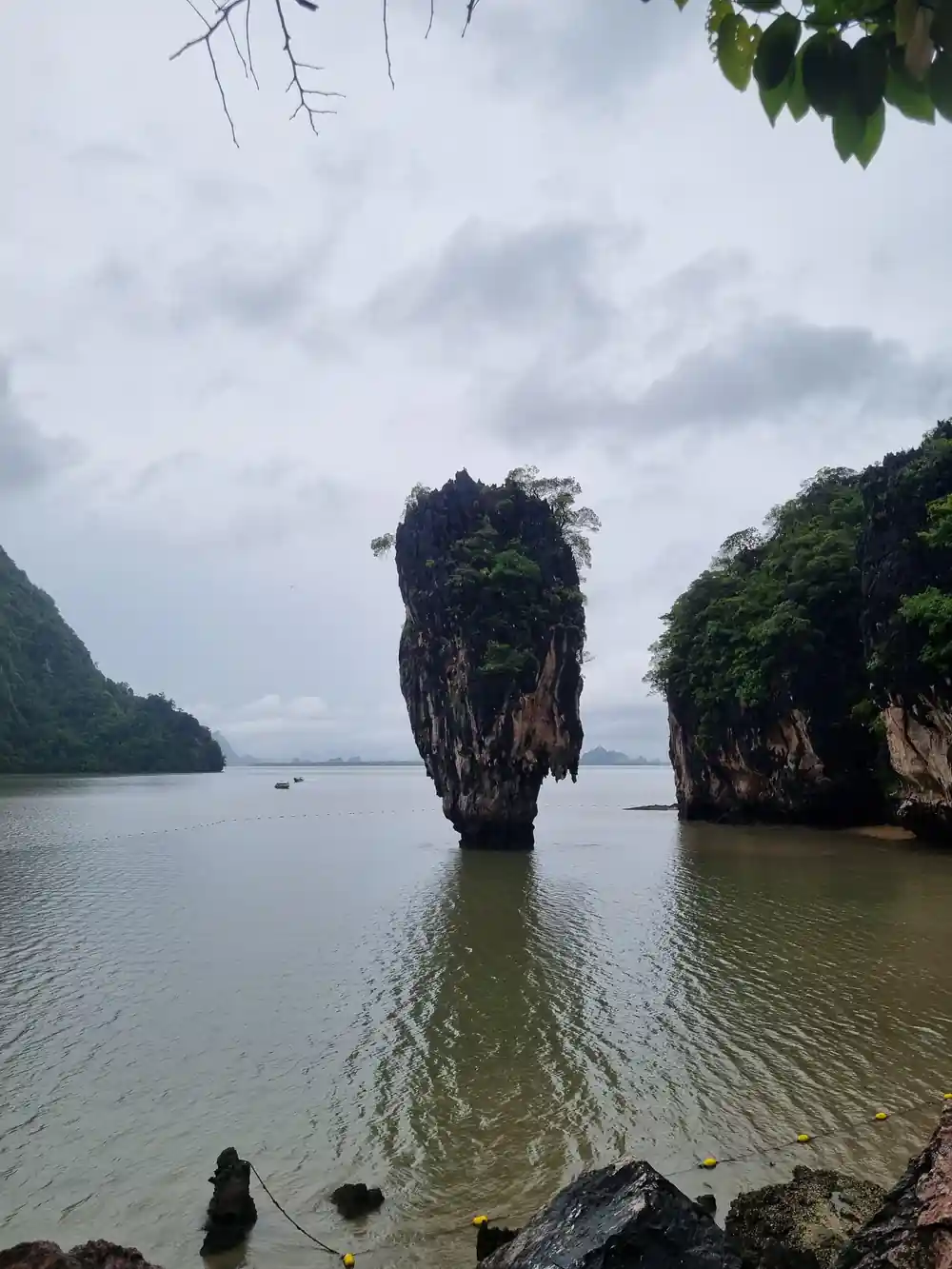
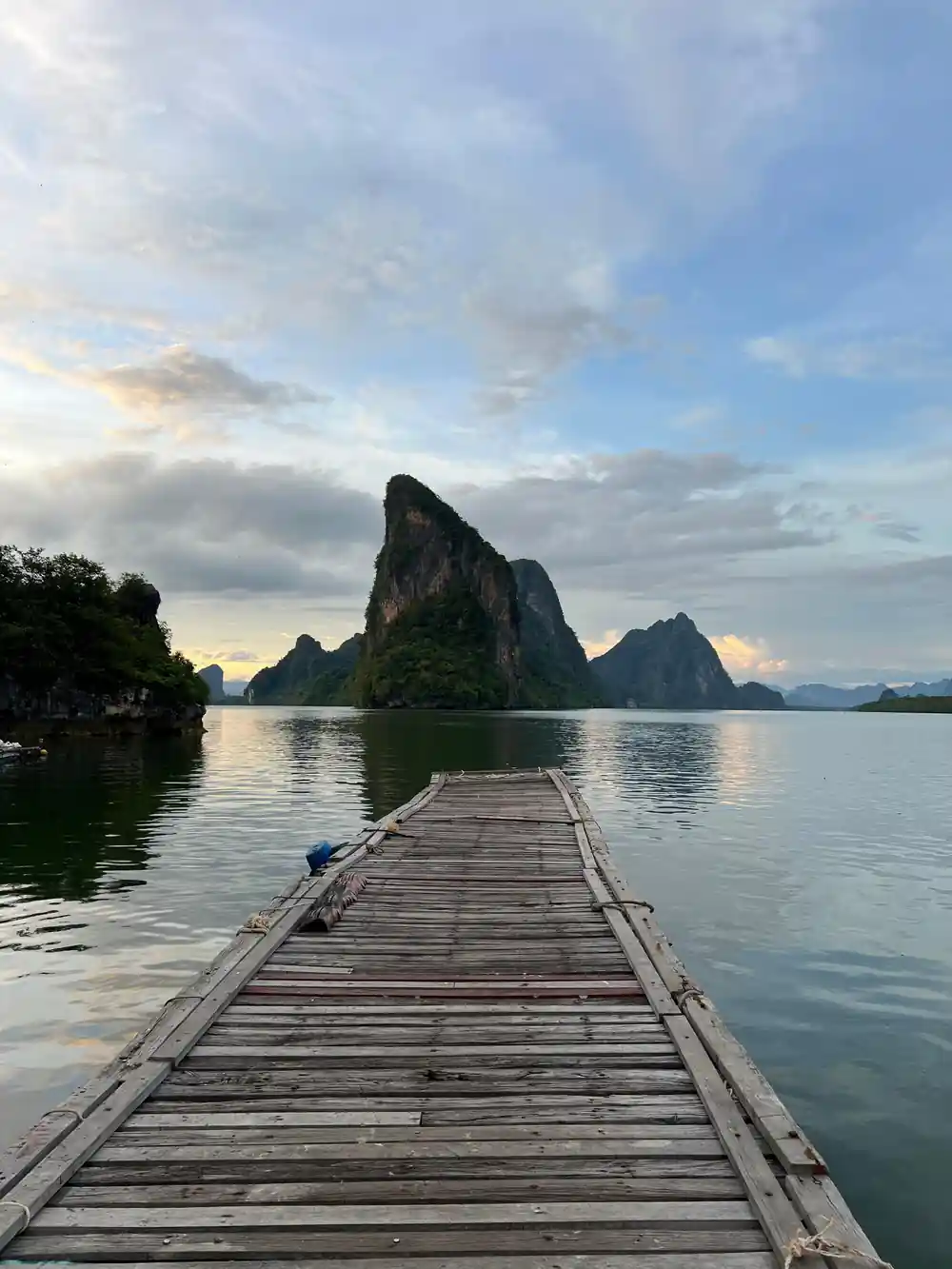
Limestone karsts and mangrove channels fill Ao Phang Nga National Park.
Drones and aircraft over the islands
Before you pack a drone, ask your operator what is allowed in the bay and check the current park and aviation requirements yourself. Requirements can change between seasons, and a forum post from two years ago is not a reliable guide. A quick question at booking beats a confiscated drone at the pier, and it takes two minutes. Your guide is already watching tide, weather and other boats, and a drone adds one more thing to that list.
Even where a flight is allowed, the noise travels. Sea eagles, hornbills and macaques share these cliffs with visitors, and a quadcopter overhead changes how animals move and where they settle. Photographers get plenty of drama from a kayak seat at water level, where the light comes off the limestone and reflections do the rest. If you do fly, keep well clear of nesting cliffs, other boats and anyone swimming below.
Waste, food scraps and what stays on the boat
Alcohol is not allowed in Thailand's national parks.[4] Leave the beer and wine in the hotel fridge; a night boat still feels like an occasion with cold water and the plankton light show below the hull. If you eat on board, that is the right place for the leftovers. Fruit peel, rice, sauce packets and crisp bags all travel back to the pier in a bag rather than over the side.
A small dry bag does most of the work: phone, camera, sarong and a spare bag for your own rubbish, tied to the seat so it does not blow overboard. Cigarette butts are the classic item left behind on a tropical beach, and they linger long after the boat has gone. If you spot litter that is not yours, pick it up when it is safe and hand it to the crew. Boat crews clear rubbish from the hongs and beaches as part of the working day, and they notice who helps.
from US$88
Bioluminescent plankton and sea canoes by speedboat, with free cancellation up to 24 hours in advance.[6]
Wildlife: monkeys, fish and the feeding habit
The mangroves along the Phang-Nga coast include Rhizophora apiculata, Rhizophora mucronata, Avicennia alba, Avicennia officinalis, Bruguiera cylindrica, Bruguiera parviflora, Xylocarpus granatum and Xylocarpus moluccensis.[10] Root by root, these trees are a nursery: young fish, crabs and prawns shelter in the tangle before they move out into the bay. A paddle that scrapes through a mangrove channel takes a little of that cover with it, so follow the line your guide sets and keep the kayak off the roots.
Feeding wildlife is the habit that changes animals fastest. Monkeys on the islands learn quickly that bags mean food, and a macaque that has lost its fear of people becomes a problem for the next visitor and for the animal itself. Keep snacks sealed inside your bag, do not throw anything to fish or birds, and watch from a few metres away. If an animal approaches, stand still, keep your hands low and let your guide manage the moment. The same goes for the monitor lizards that patrol the beaches.
Managing visitor impact at James Bond Island
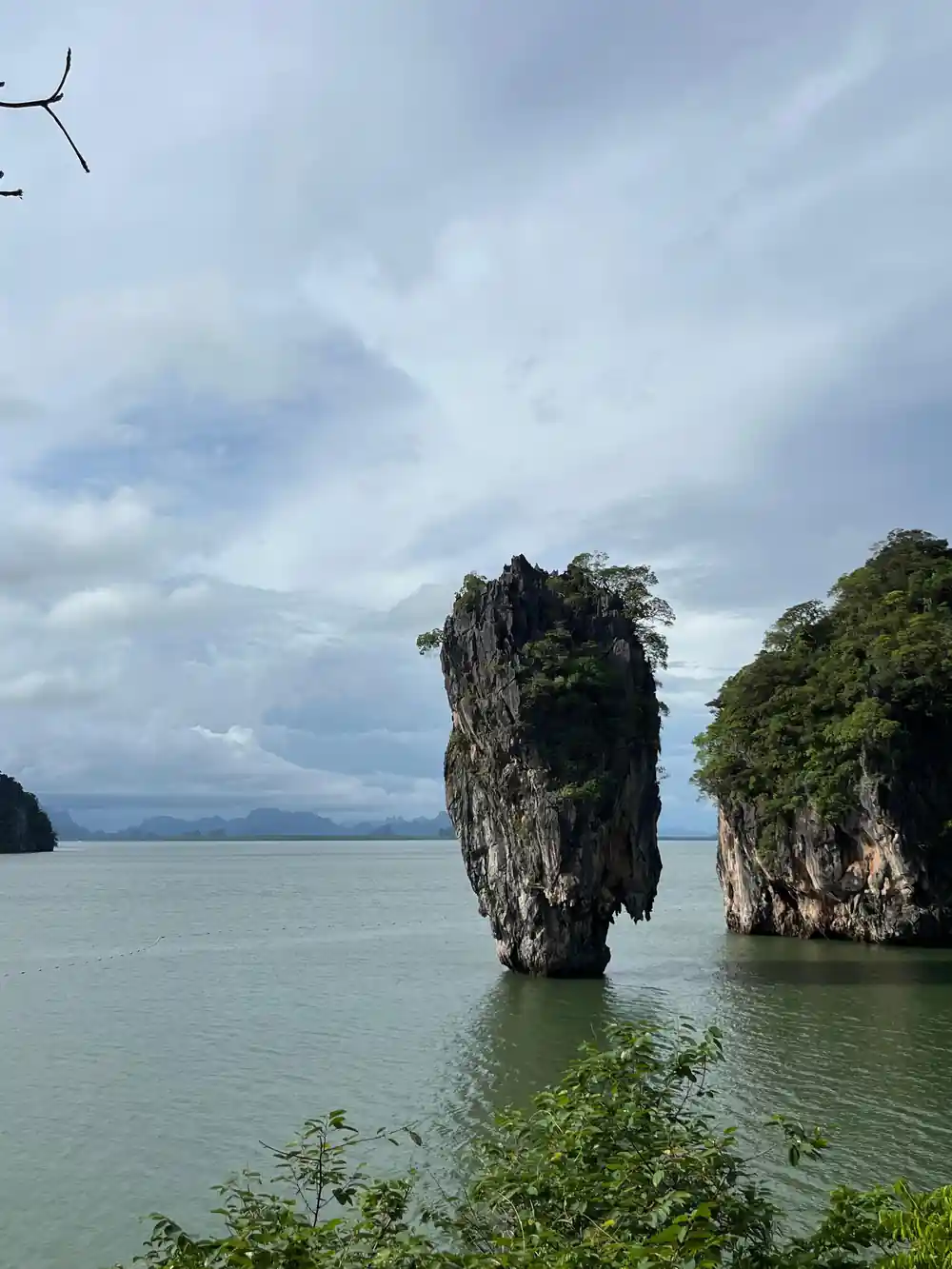
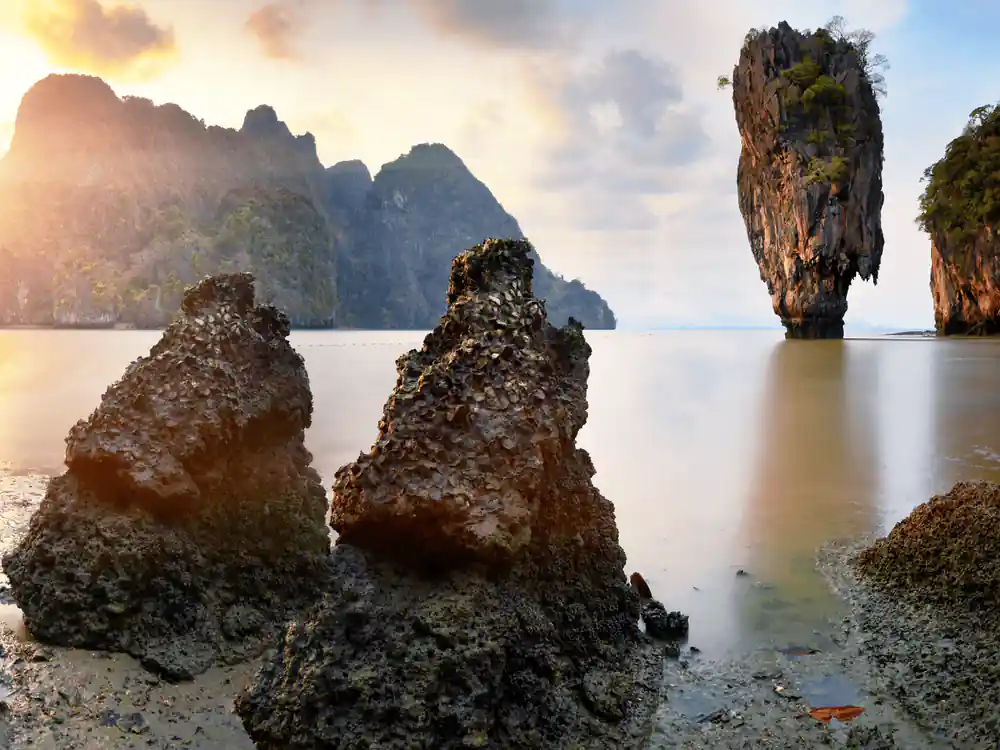
James Bond Island, officially Ko Tapu on the twin-peaked islet of Khao Phing Kan, is the limestone spire in Phang Nga Bay made world-famous by the 1974 film The Man with the Golden Gun.[11] It is a small island with a very large name, and the viewing beach fills quickly. Early departures help, and a stop list that runs through Panak Island and Ko Hong before the main event spreads the day out.[6] Take your photo, then move off the sand so someone else can stand where you stood.
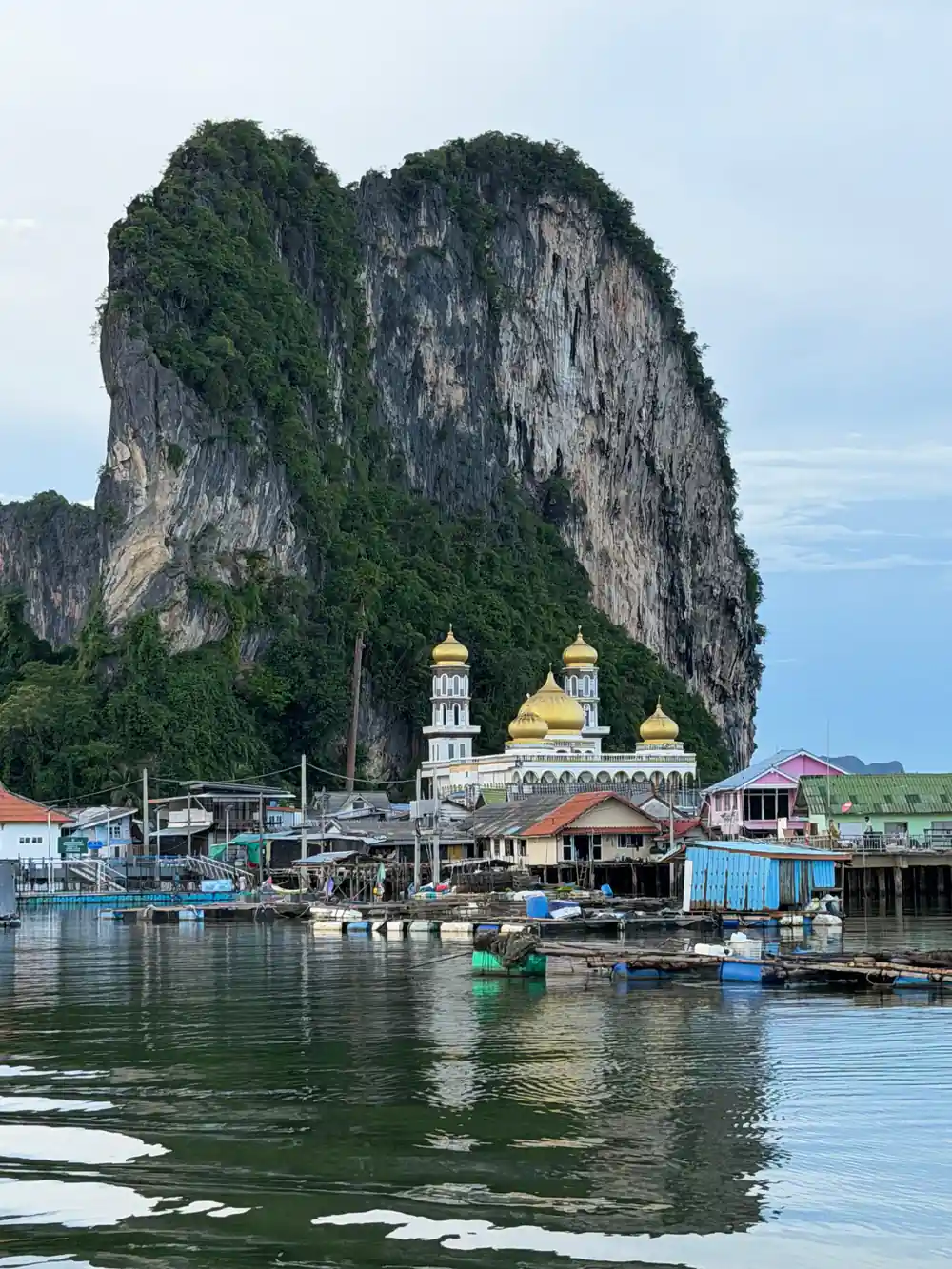
Koh Panyee is a floating village in Phang Nga Bay, built entirely on stilts by Indonesian fishermen, sitting at the foot of a towering limestone cliff.[12] People live and work there all year, and school runs, kitchens and prayer times do not pause for visitors. Ask before photographing anyone close up, buy something small if you stop, and keep your voice at the level you would use in a neighbour's front yard. The lanes are narrow and shared, so step aside for motorbikes.
Shells, rocks and what you take home
Prehistoric cave paintings at Khao Khian in Phang Nga Bay are estimated to be around 3,000 to 5,000 years old and depict animals, boats and various symbols.[13] They sit on open limestone, so nothing should touch them: no hands, no chalk, no damp cloth. Photograph them from the boat with the flash off and give the rock the distance it has earned. The same hands-off approach applies to every cave you enter, painted or not.
Shells, coral fragments and attractive rocks are the souvenirs that empty a beach one pocket at a time. Leave them where they lie, photograph them instead, and take home the things that were made to travel. If you are asked for the park fee, this is what it is: Ao Phang Nga National Park is a Category 3 national park and the foreign adult entrance fee is 300 baht.[2] Keep the slip with your booking and remember that the water you are paddling in sits inside a protected boundary.
Traveller ratings for Phang Nga Bay tours
Ratings as listed on GetYourGuide for these tours:[6][7][8][14].
From-prices for a day on the bay
US dollar from-prices of GetYourGuide listings:[6][7][8][14].
When to book and when to go
Leave no trace in the bay
Pack for the water
Reef-safe sunscreen before you leave the hotel, a hat, a refillable bottle and a dry bag that keeps your phone and your rubbish separate.
Ask before you fly
If you want to bring a drone, check the current requirements and ask your operator what is allowed on the day.
Paddle without touching
Hands on the gunwales, paddles clear of the rock, and the kayak flat when you slip through a cave passage into a hong.[3]
Carry it all back
Food scraps, wrappers and cigarette butts go back to the pier with you. Nothing is thrown over the side and nothing is left on a beach.
Watch, do not feed
Keep snacks sealed, never feed monkeys, fish or birds, and let your guide manage any animal that comes close.
Ready to paddle a hong and watch the water glow after dark?
from US$89Reserve now & pay later