Quick summary
- The tour booked from this site starts from US$88 per person, and you can reserve now and pay later.[1]
- Duration is 8 hours, and the listing asks you to check availability to see starting times.[1]
- Free cancellation is available up to 24 hours in advance for a full refund.[1]
- Ao Phang Nga National Park is a Category 3 park and the foreign adult entrance fee is 300 baht.[2]
- The glow comes from dinoflagellates that emit blue-green light when disturbed.[3]
- Top choice Bioluminescent Sea Canoes from US$88 Duration8 hours[1]Rated4.77 from 2,619 reviews[1]GuidesEnglish, Spanish, German[1]PickupPickup available[1]CancellationFree cancellation up to 24 hours[1] Check availability
- Twilight Sea Canoe from US$106 Duration1 day[4]Rated4.90 from 1,954 reviews[4]GuidesEnglish[4]PickupPickup included[4]CancellationFree cancellation up to 24 hours[4] See this tour
- Big Boat Canoeing from US$48 Duration10 hours[5]Rated4.72 from 4,048 reviews[5]GuidesEnglish, Thai[5]PickupPickup included[5]CancellationFree cancellation up to 24 hours[5] See this tour
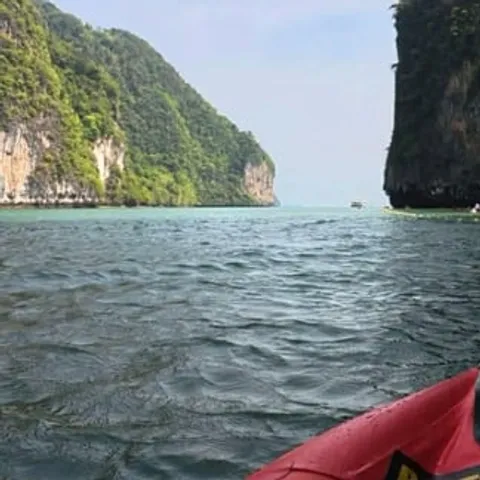
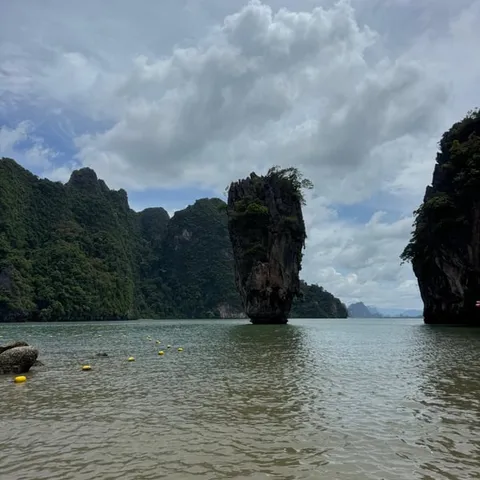
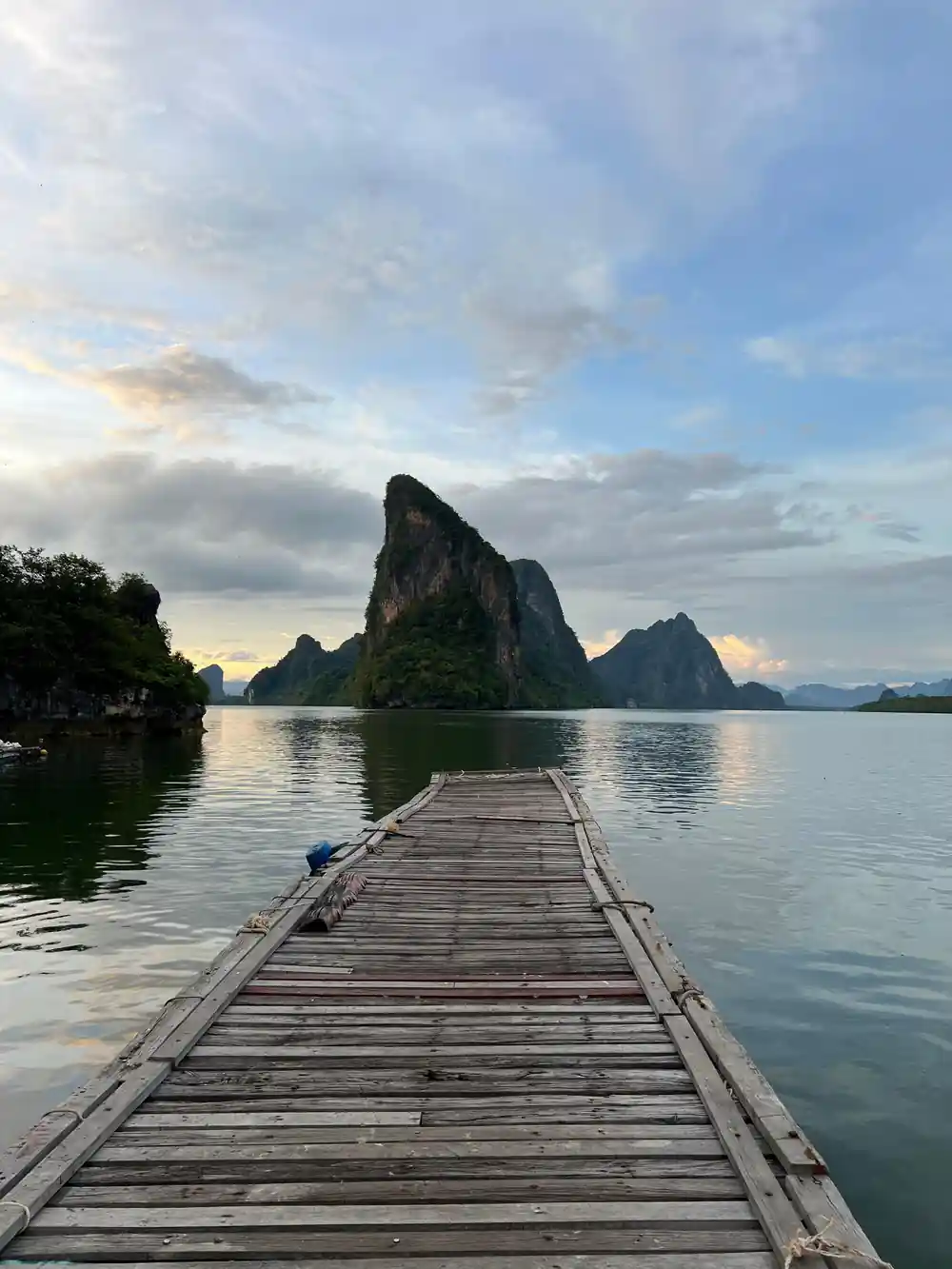
Koh Panyee is one of the most fascinating cultural stops on James Bond Island tours. Built entirely on stilts by Indonesian fishermen, this floating village sits at the foot of a towering limestone cliff in Phang Nga Bay.
Is the evening plankton tour worth it for comfort?
What to pack
- Reef-safe sunscreen, a wide-brimmed hat and sunglasses for the daylight hours.
- A dry bag with one dry layer, a small towel and a spare shirt for after sunset.
- Motion sickness tablets taken before boarding, plus insect repellent for the mangroves.
- Your booking confirmation and pickup details, saved offline on your phone.
Water conditions in Phang Nga Bay
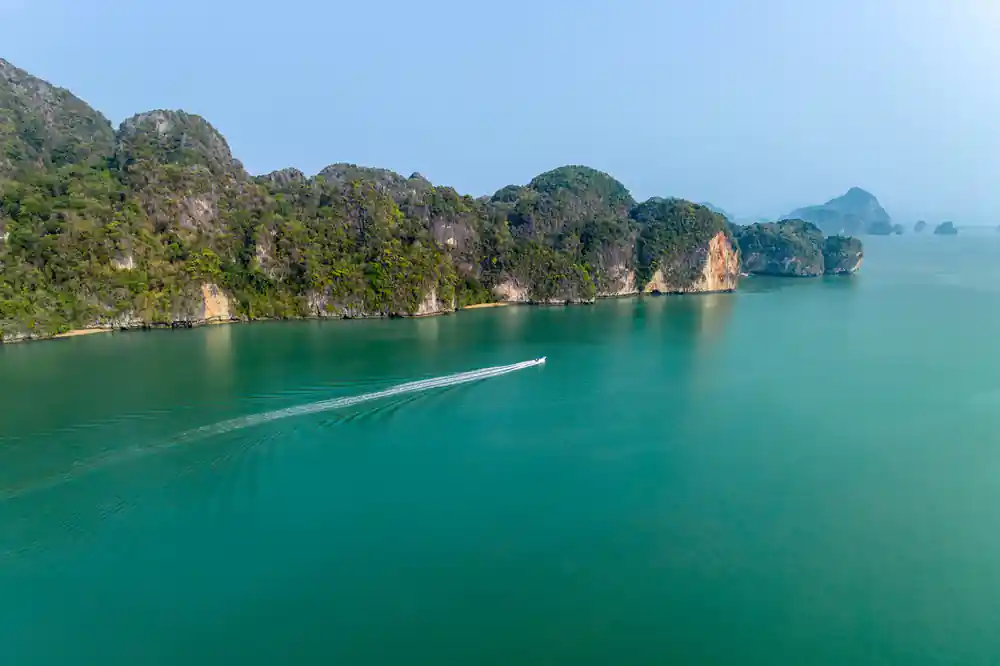
Phang Nga Bay is a sheltered, shallow bay on Thailand's Andaman coast, and its shape is what makes an evening canoe trip feel gentler than a full day out on open water. Limestone karsts rise straight out of green water, mangroves fringe the shoreline, and the boat hops between islands instead of crossing long stretches of sea. Ao Phang Nga National Park, which covers this seascape, was established in 1981 and spans approximately 154 square miles (400 square kilometers).[7]
On the tour booked from this site, the day lasts 8 hours, moving from your pickup point by van to Phuket Boat Lagoon and then by speedboat to Panak Island, Ko Hong and James Bond Island before the ride back.[1] One of the stops is James Bond Island, officially Ko Tapu on the twin-peaked islet of Khao Phing Kan, a limestone spire made famous by the 1974 film The Man with the Golden Gun.[8] Passing those cliffs by boat is very different from sitting on a beach and looking at them from a distance.
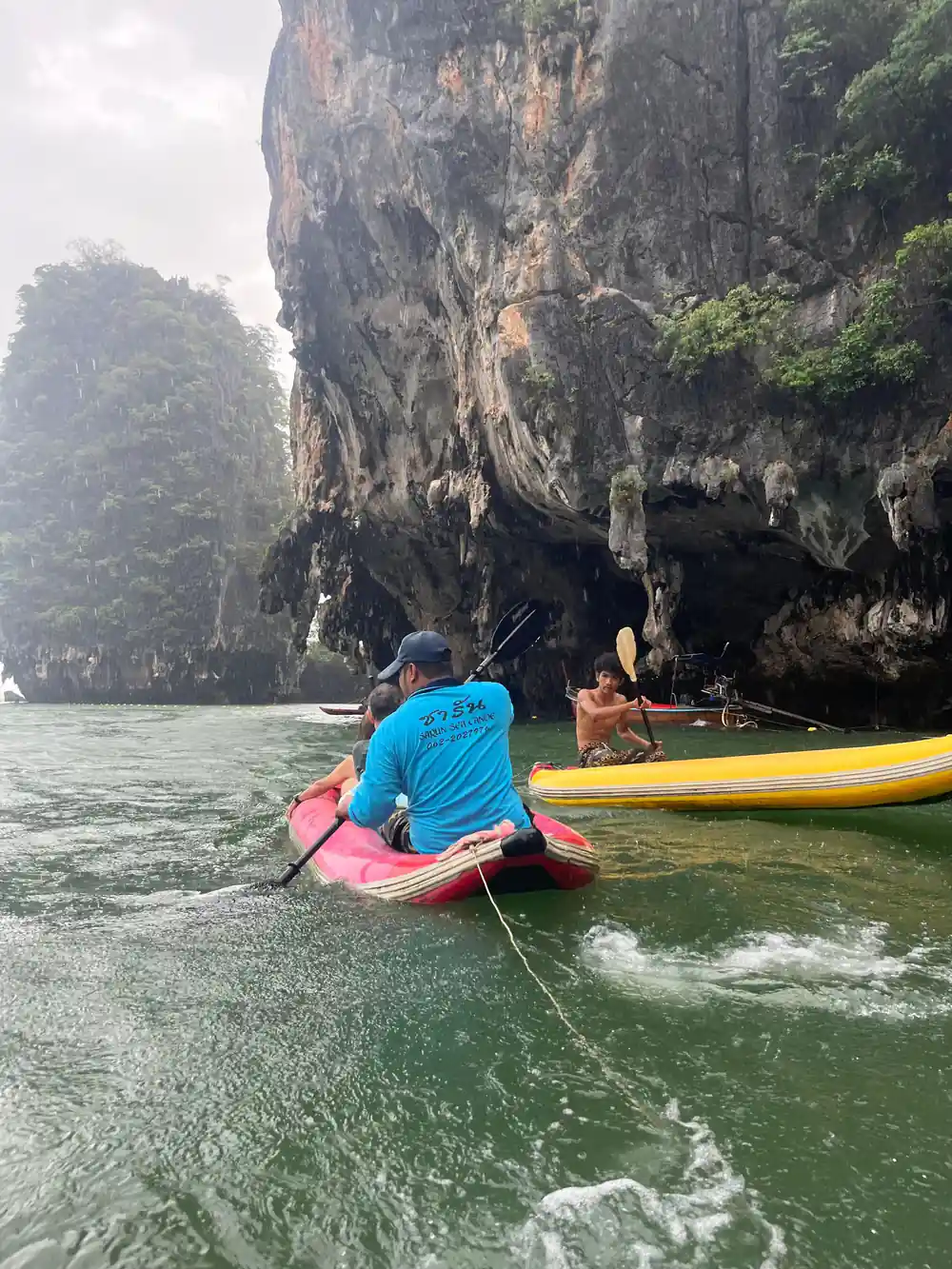
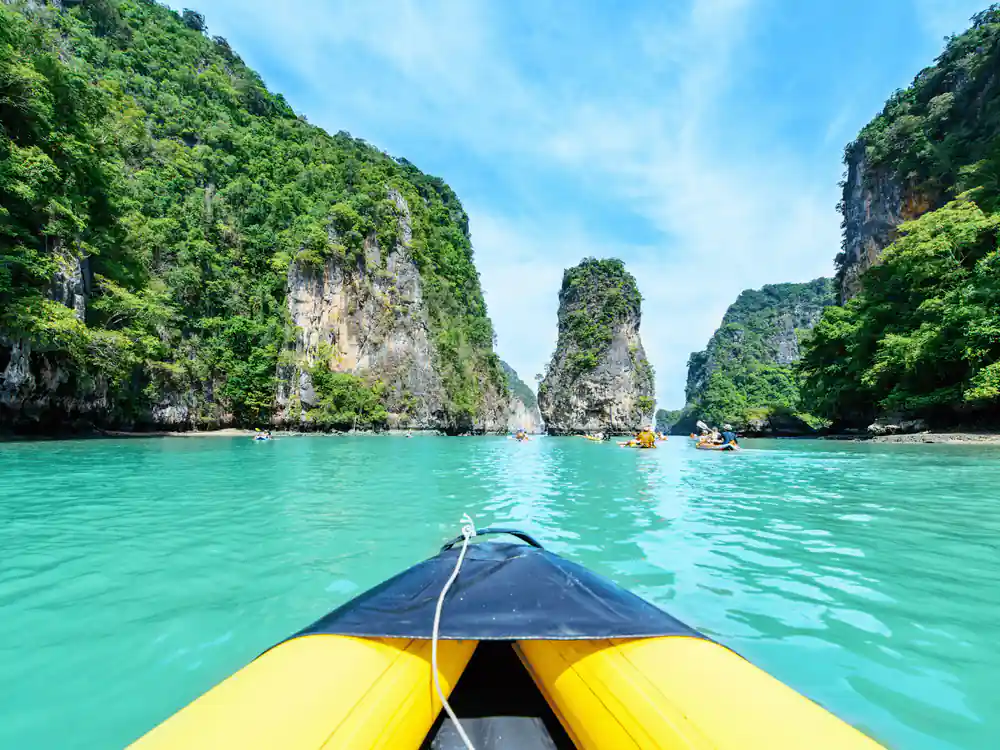
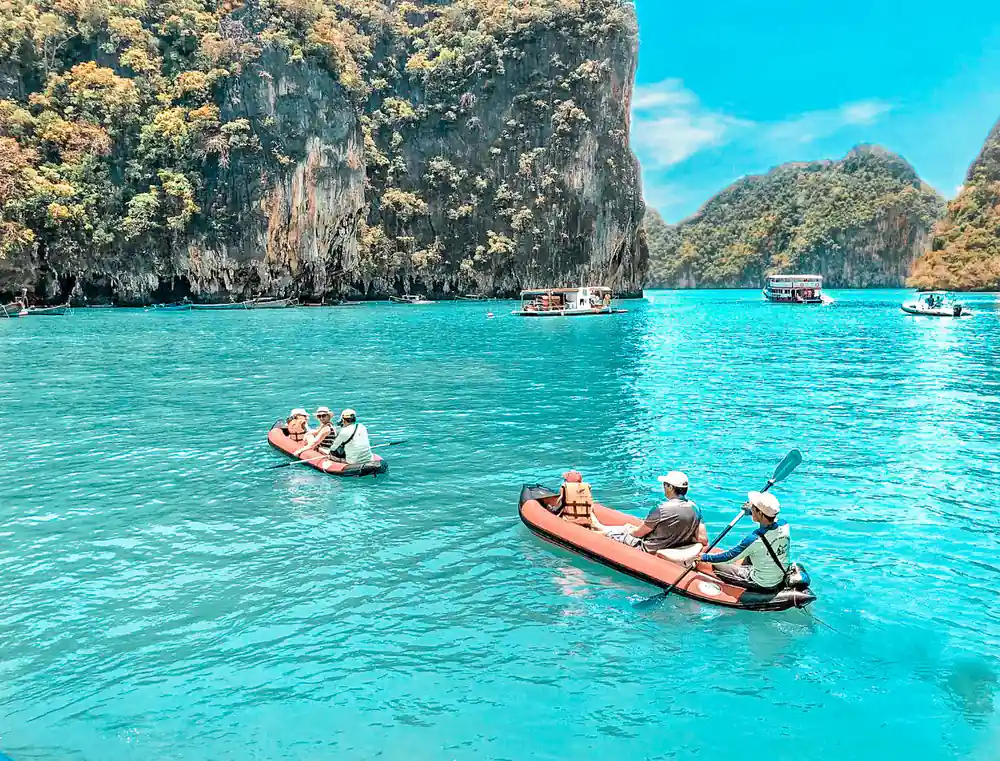
The paddling happens at the hongs, enclosed lagoons that sit like secret chambers inside limestone cliffs and are reached by lying flat in a kayak and moving through dark, narrow cave passages.[9] Inside a hong the water is flat, the engine noise drops away, and the kayak glides rather than rolls. That matters if you are worried about your stomach, because the bumpy part of the day is the boat ride, not the paddle. Wind usually builds across the more open stretches in the afternoon and settles again towards evening.
Where to sit on the speedboat for stability
Every seat on a speedboat feels different. The front benches give the best view and the hardest jolt, and the open benches at the back of the deck catch the most spray. If motion is your worry, sit in the middle of the boat, low down and close to the centre line, where the movement is smallest. In the cabin, face forward rather than sideways, and keep your eyes on the horizon instead of the floor or your phone.
A seat in fresh air beats a closed window seat almost every time. If you are travelling with someone who feels unwell easily, put them on the side that faces away from the sun, where there is less glare coming off the water. Take a layer you can put on once the boat starts moving, because wind on your face feels pleasant at first and cold an hour later.
Tell the crew early if you are prone to seasickness. This tour has live guides who speak English, Spanish and German, and they deal with queasy passengers most weeks.[1] Once you have found a comfortable place, stay in it. Getting up and walking around while the boat is moving is what turns a mild queasy feeling into a bad hour, and the same applies to swapping sides to chase the view.
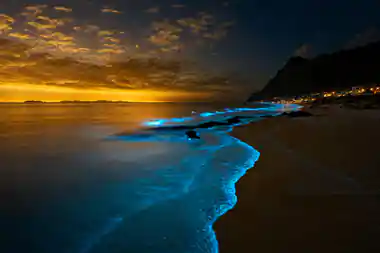
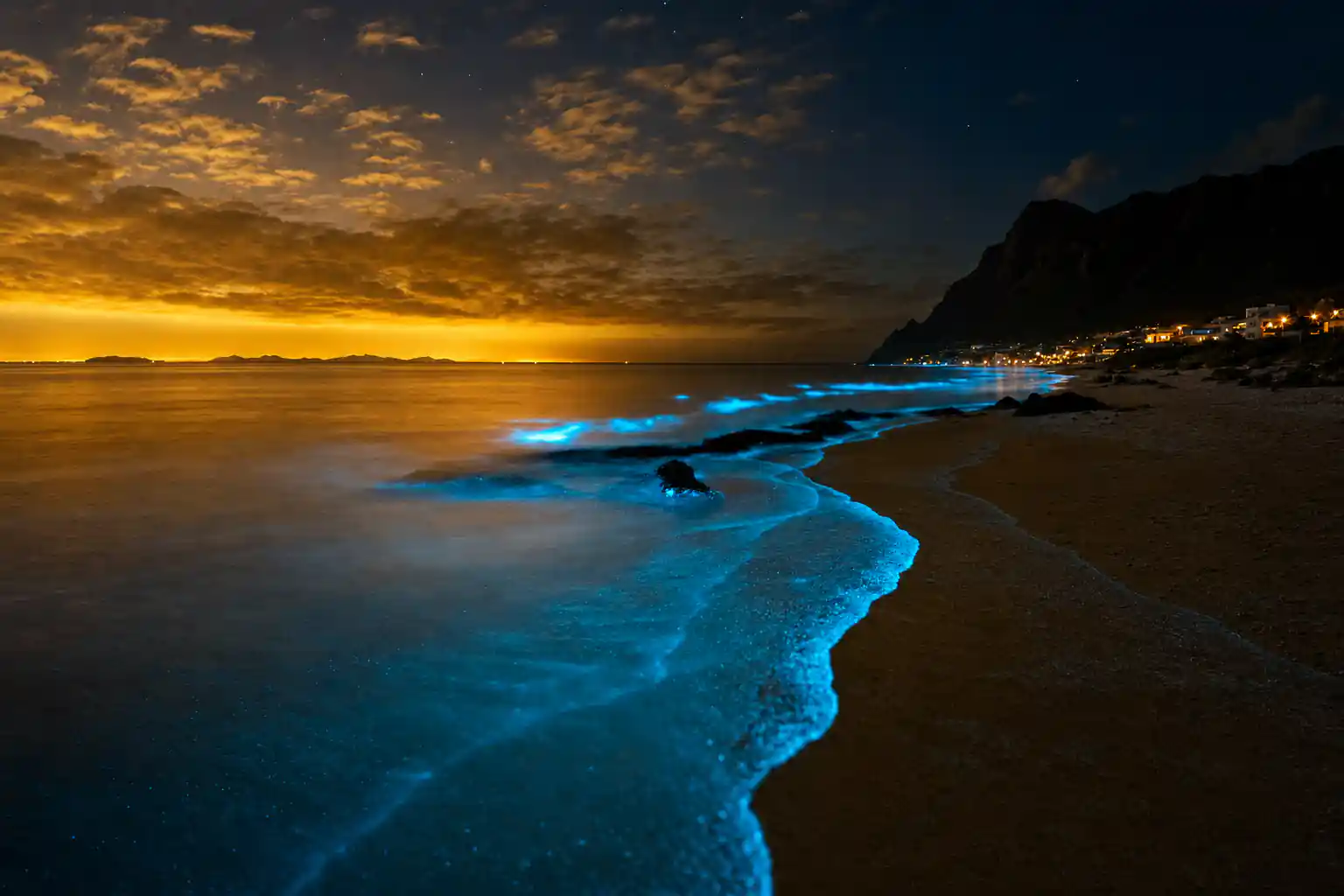
Blue light trails through the shallows once a paddle disturbs the plankton.
Preventing seasickness before you board
Timing matters more than brand. Motion sickness tablets work best when they are already in your system before the boat moves, so take them well before you step on board rather than as the engine starts. Ask a pharmacist in Phuket what suits you, follow the label, and test anything drowsy on a normal day at home first. Chewable and ginger-based options suit people who dislike swallowing tablets.
A light meal sits far better than a heavy one. Rice, plain bread, noodles or fruit are good choices a couple of hours before pickup, and a large greasy breakfast is not. Too much coffee on an empty stomach rarely helps, and neither does setting out with nothing inside you at all. Carry water and a plain snack for the ride back, when hunger often arrives before the hotel does.
Alcohol is not allowed in Thailand's national parks, so the boat day is a dry one.[6] If you already know that boats make you ill, plan around it: claim your seat before the boat fills, keep wipes and a bag within reach, and give yourself permission to sit out the rougher crossings and save your energy for the lagoon paddling, which almost everyone finds easy.
Heat, humidity and the afternoon sun
Evening tours finish in the dark, but most of the trip happens in strong daylight. A wide-brimmed hat, a shirt with sleeves and high-factor sunscreen on your neck, ears, nose and the tops of your feet will do more than a towel draped over your head. Pack the sunscreen where you can reach it without unpacking a whole bag, and put it on before you leave the hotel.
Reapply after every swim or paddle. The glare off calm water and pale limestone is stronger than it looks from the shade, and a long day on a boat is exactly the situation where people burn without noticing. A wet cotton scarf around the neck cools you down, and a spare dry shirt is a small luxury in the middle of a hot afternoon.
Humidity is the part many visitors underestimate. You will sweat under a life jacket, so drink water through the afternoon instead of waiting until you are thirsty, and keep a spare bottle in your bag. If heat is a deciding factor in your dates, November to February is the ideal time for a beach vacation, with sunny tropical weather and festivals.[10] Whatever the month, the boat has shade, and the middle of the day is when you will want it.
from US$88
An 8-hour speedboat and canoe day with free cancellation up to 24 hours in advance.[1]
Mosquitoes and insects in the mangrove channels
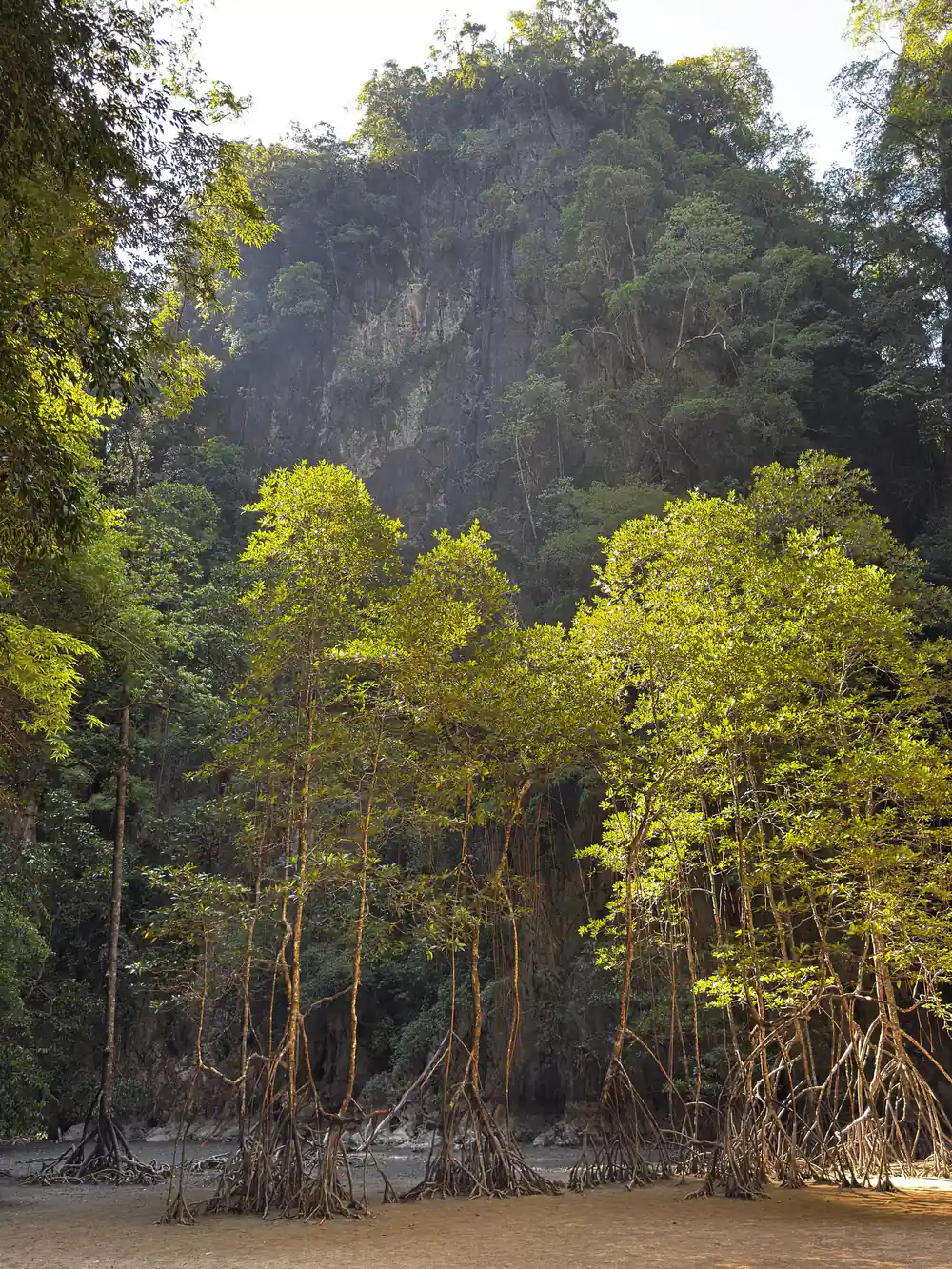
Mangrove channels are still, shaded and damp, which is exactly what mosquitoes like. They are busiest around dusk, when you may be standing in shallow water or watching the light go. Apply repellent before you get into the kayak rather than after the first bite, and pay attention to the places people forget: ankles, wrists, elbows, the back of the neck and any strip of skin between a sleeve and a glove.
Long, light trousers work better than shorts if you react badly to bites, and a thin long-sleeved top does double duty as sun cover earlier in the afternoon. Spray your clothes as well as your skin, and keep the repellent in the dry bag so it cannot leak over everything else. Wipes are useful for cleaning your hands before you eat.
The mangroves along this coast include Rhizophora apiculata, Avicennia alba and Bruguiera cylindrica, among other species, so there is plenty of habitat around the islands you visit.[11] Sandflies and tiny biting midges can be a nuisance on some beaches as well. A repellent with picaridin or DEET, plus a small tube of antihistamine cream, covers almost every situation you will meet on this trip.
Swimming, marine life and staying safe in the water
Swimming usually happens off the boat or in the shallows beside a beach, and the crew will point out where it is safe and where the current runs. Keep your life jacket on if you are not a confident swimmer, stay where you can see the boat, and swim with someone rather than alone. The bay is sheltered, but it is not a swimming pool: the tide moves, and the water deepens quickly beside limestone cliffs.
Do not stand on coral, and do not pick anything up. Sea urchins sit on rocky bottoms, jellyfish drift through in some seasons, and small crabs and fish live among the mangrove roots. Keep your feet off the bottom in the shallows near the cliffs, where urchins are easiest to miss, and watch where you put your hands when you steady a kayak against rock.
Reef shoes or old trainers protect your feet on shell and rock, and they help when you climb in and out of a kayak on a slippery beach. Rinse them and your swimwear with fresh water at the end of the day. If you are stung, scratched or cut, tell your guide straight away rather than waiting until you are back at the hotel.
Staying warm once you are wet after sunset
The biggest comfort mistake on an evening trip is staying wet in a breeze after dark. Bring a dry bag with one dry layer: a light fleece, a long-sleeved top or a thin windproof jacket. A small microfibre towel takes almost no space and lets you get out of wet swimwear before the ride home. Advice about kayaking when it's cold usually involves dry suits and thermal layers; here the problem is a wet shirt in a moving boat, and one dry layer solves most of it.
Change before the light goes rather than when you start to shiver. A dry hat or buff makes a surprising difference, and socks are the one thing people forget once their feet have been wet for hours. Keep the dry bag sealed while you paddle, and put your phone in a separate pouch so a damp towel cannot reach it.
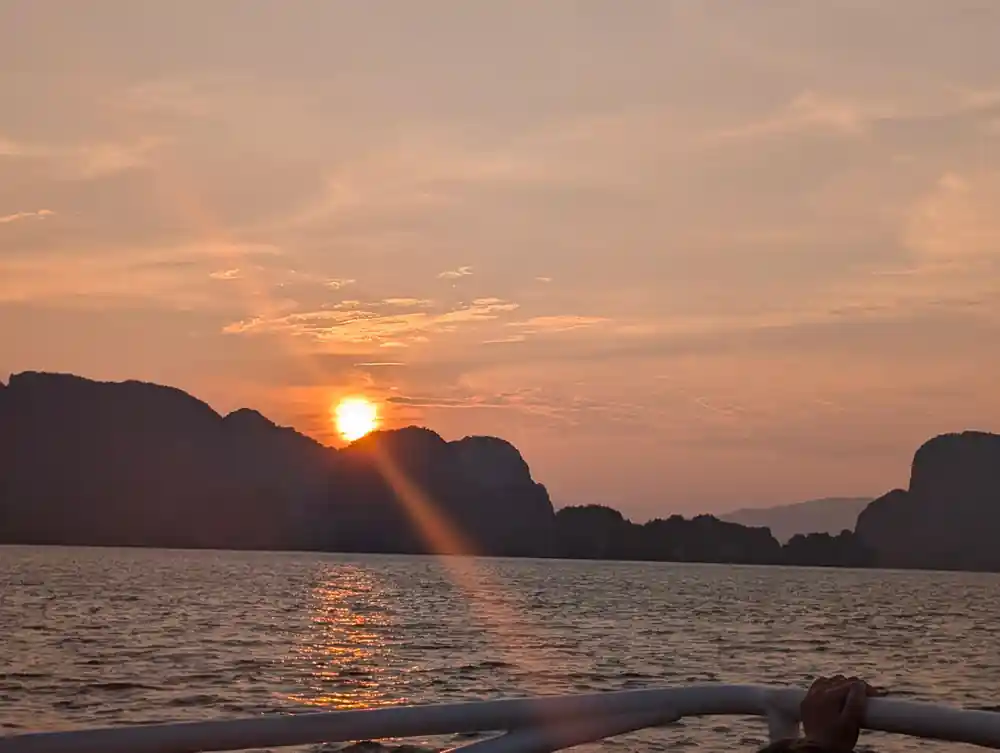
Some night kayak tours include a sunset paddle under the evening sky and the chance to see bioluminescent plankton glowing in the water.[12] The glow comes from dinoflagellates, microscopic single-celled organisms that emit blue-green light when disturbed.[3] Move a hand slowly through the water to see it, then put the dry layer on before the boat picks up speed. The ride back is often the coolest part of the day, and a warm, dry top makes the difference between a good night and a long one.
GetYourGuide rating for each Phang Nga Bay boat tour
GetYourGuide ratings for these Phang Nga Bay boat tours.[1][4][5][13]
Tour from-prices in US dollars
From prices per person for these tour listings.[1][4][5][13]
When to go and what to plan around
Staying comfortable
Sort out seasickness first
Take tablets well before boarding, keep meals light and stay in fresh air. If you start to feel ill, look at the horizon rather than at your phone.
Claim a steady seat
Sit low and central, face forward and stay there. Walking around a moving boat is what turns a mild queasy feeling into a bad hour.
Dress for sun and water
Hat, sleeves, high-factor sunscreen and shoes that can get wet. Reapply sunscreen after every swim or paddle, including the back of your neck.
Pack one dry layer
A dry bag with a fleece or windproof top, a small towel and insect repellent for the mangrove channels after dusk.
Drink water and use the shade
Sweating under a life jacket drains you faster than you notice. Keep a bottle within reach and sit under the boat's shade during the hottest hours.
Book the evening plankton and sea canoe trip
from US$89Reserve now & pay later