Quick summary
- A dry bag, a waterproof phone pouch and a light layer cover most of an evening on the water. Everything else can wait in the van.
- Eat a real meal before pickup and carry water and easy snacks. The trip runs 8 hours and alcohol is not allowed in Thailand's national parks.[1][2]
- A lanyard and a roll-top dry bag keep a phone alive, and after dark the flash stays off while the plankton does the glowing.[3]
- Sit low and central, keep your eyes on the horizon, take medication before boarding and tell your guide early if you feel unwell.
- Grippy sandals you can slip off, repellent for dusk over the mangroves and sunscreen on your face and feet before you leave the hotel.
- Top choice Plankton and sea canoes from US$88 Duration8 hours[1]Rating4.77 from 2,619 reviews[1]GuideEnglish, Spanish, German[1]CancellationUp to 24 hours in advance[1] Check availability
- Twilight sea canoe from US$106 Duration1 day[4]Rating4.90 from 1,954 reviews[4]GuideEnglish[4]CancellationUp to 24 hours in advance[4] See this tour
- Phang Nga Bay by big boat from US$48 Duration10 hours[5]Rating4.72 from 4,048 reviews[5]GuideEnglish, Thai[5]CancellationUp to 24 hours in advance[5] See this tour
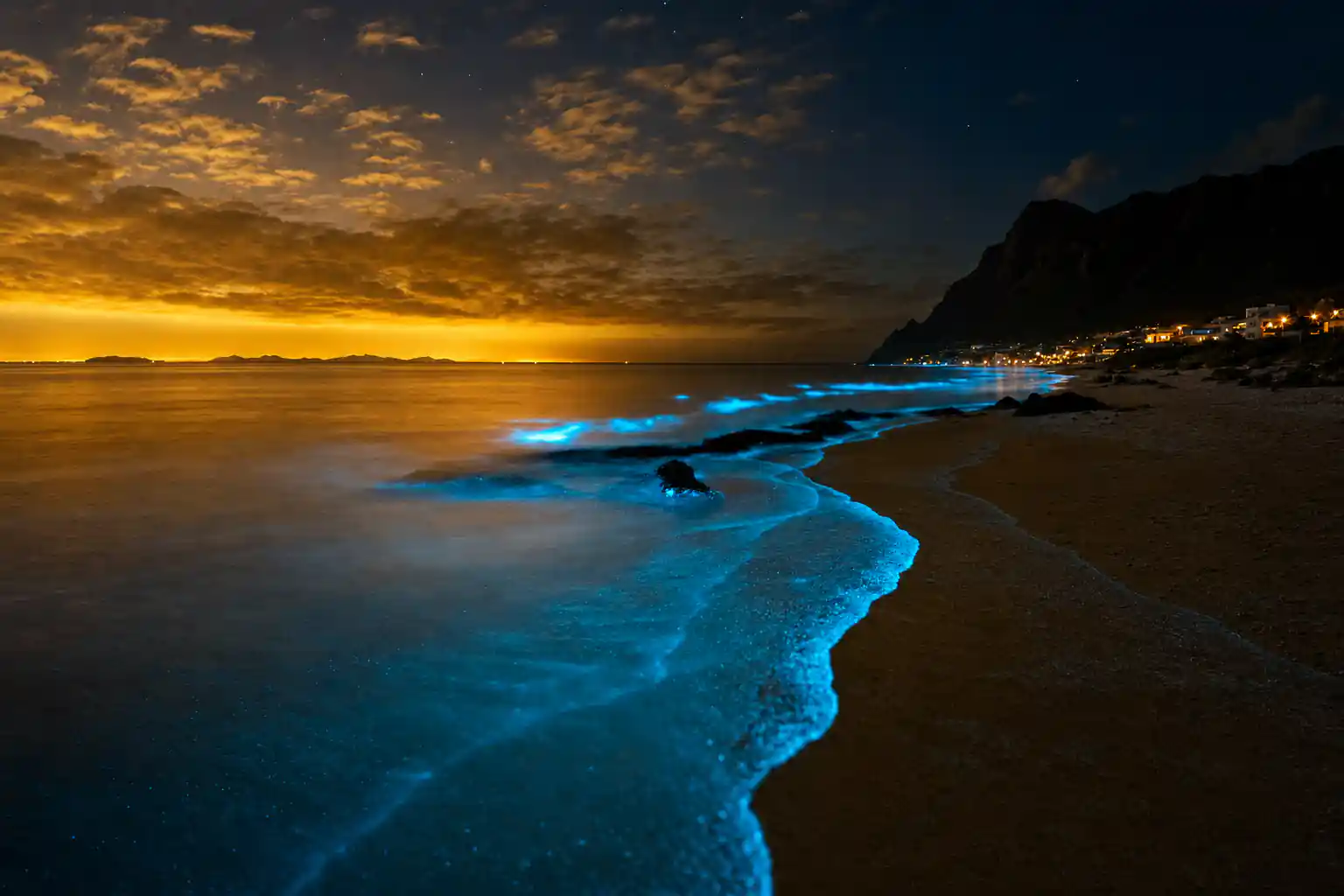
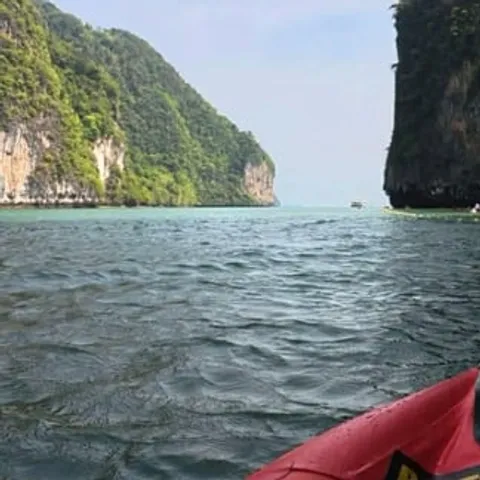
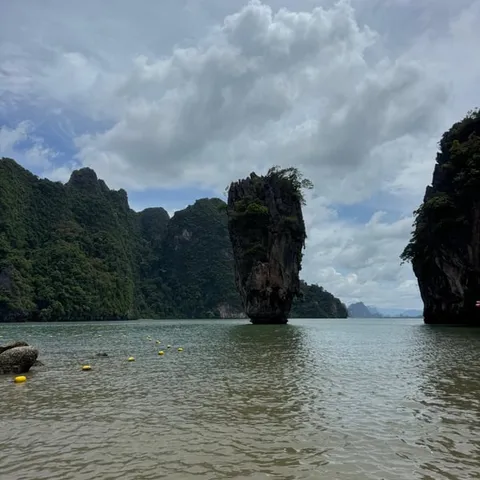
Koh Panyee is one of the most fascinating cultural stops on James Bond Island tours. Built entirely on stilts by Indonesian fishermen, this floating village sits at the foot of a towering limestone cliff in Phang Nga Bay.
The verdict: pack light for a night on the bay
What to carry on board
- Dry bag for phone, wallet and camera
- Quick-dry towel and a spare set of clothes for the van
- Light long-sleeve layer and a squashable hat
- Booking details and pickup address saved offline
For the water and the ride home
- Insect repellent for dusk near the mangroves
- Water and easy snacks to share
- Starting time confirmed before you go
- Small cash for the national park entrance fee
What to pack for an evening on Phang Nga Bay
You are packing for a breezy speedboat ride out and a slow paddle through still, dark water, and the two feel nothing alike. Start with swimwear worn under quick-dry shorts and a shirt, so you never need to hunt for a changing room when the boat stops. Add a light long-sleeve layer for the ride home, because wet skin and a moving boat feel far cooler than the beach did. Everything you take on board should fit into a small bag you can keep on your lap.
Treat your kayak essentials as a short list rather than a packing list. A dry bag, a waterproof pouch for your phone, a small quick-dry towel, a refillable water bottle and a squashable hat cover the evening. Leave the suitcase, the laptop and the beach umbrella in the hotel or in the van. Anything loose ends up on the floor of a moving boat, and anything valuable ends up wet sooner or later. A thin rain shell earns its space even on a clear afternoon, because tropical showers arrive with very little warning.
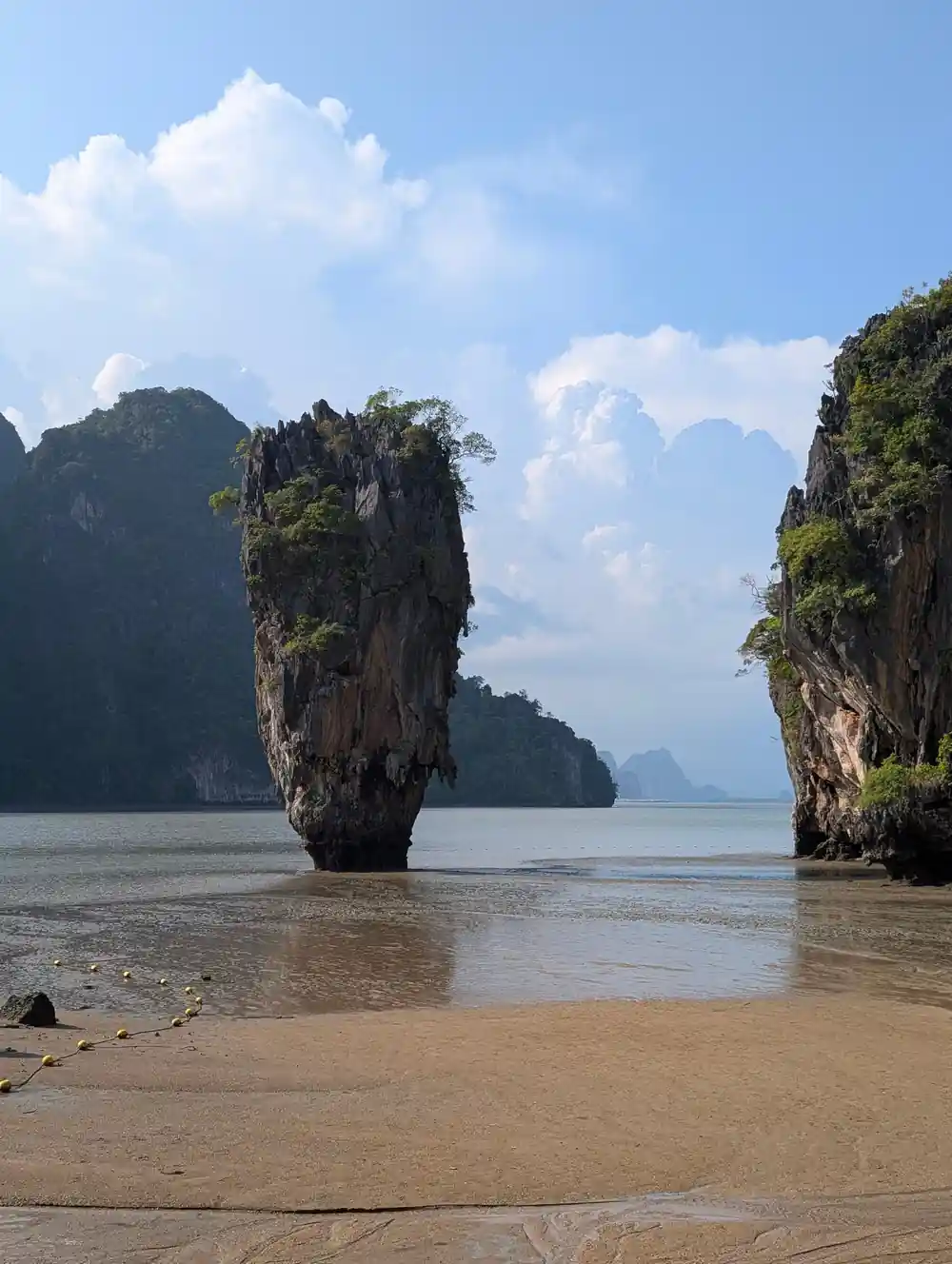
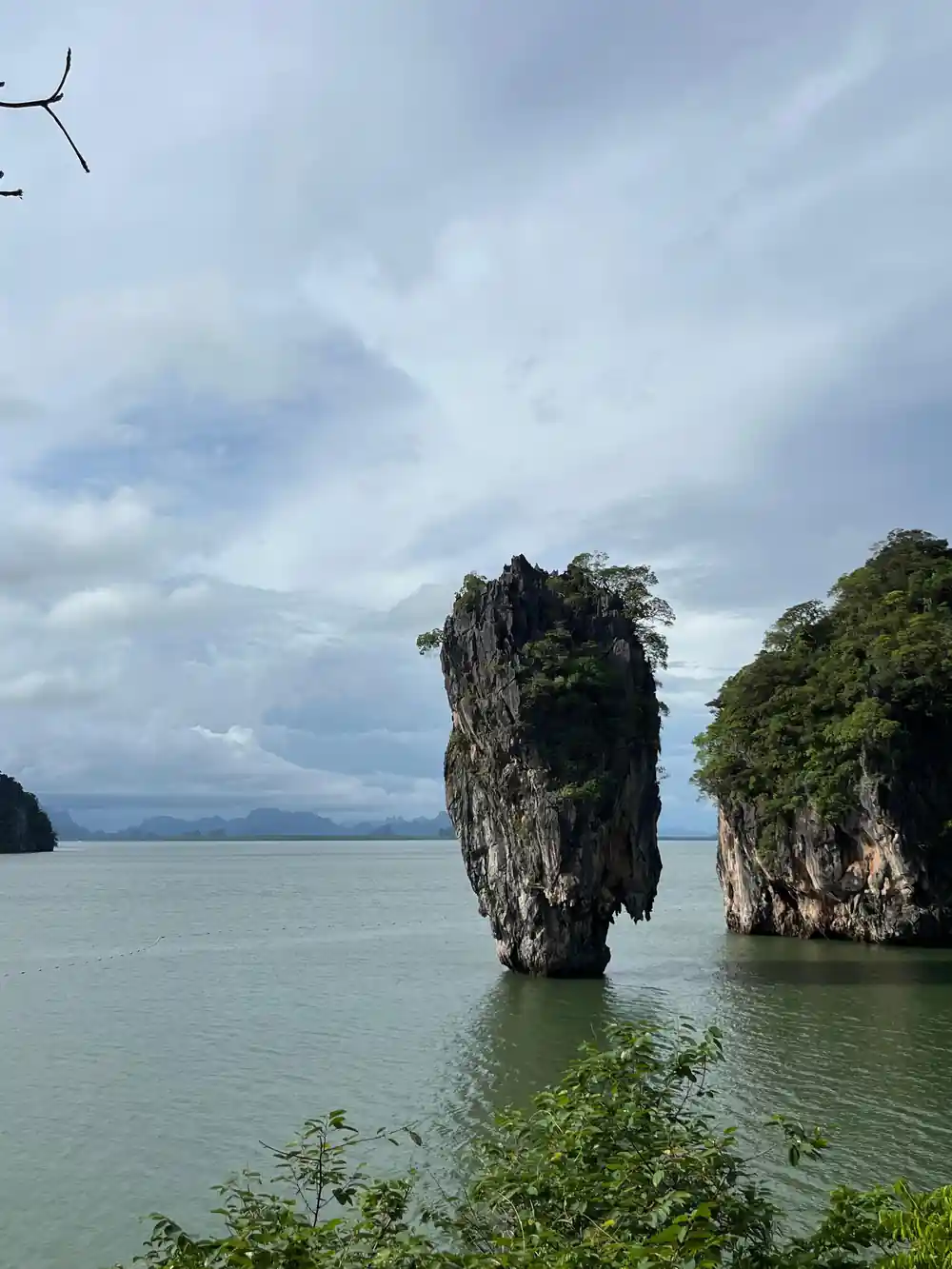
You are paddling inside Ao Phang Nga National Park, established in 1981 and spanning approximately 154 square miles (400 square kilometers), a bay of limestone karsts, mangrove edges and open water.[6] The usual circuit takes in Ko Hong, Panak Island and James Bond Island, officially Ko Tapu on the twin-peaked islet of Khao Phing Kan, made world-famous by the 1974 James Bond film The Man with the Golden Gun.[1][7] Dress for salt water and shade rather than for a resort pool.
Food and drinks throughout the day
The trip runs 8 hours, so plan it as a proper half day rather than a quick outing.[1] Eat a normal meal a couple of hours before pickup, keep a snack in your bag for the ride home, and drink more water than you think you need, because sun, salt and wind all pull moisture out of you without you noticing.
Alcohol is not allowed in Thailand's national parks, so a cold beer on the water is not part of the plan.[2] If you want a drink with dinner, save it for after the van drops you back. Seasickness tablets, ginger sweets and plain crackers are worth more in your bag than a heavy picnic, and a small bag of nuts or dried fruit sits better in a canoe than anything greasy.
Food on these coasts is simple and fresh, built around rice, grilled fish, curry and fruit. Somewhere out in the bay, Koh Panyee is a floating village built entirely on stilts by Indonesian fishermen, sitting at the foot of a towering limestone cliff.[8] Ask your guide what is included in your own listing before you assume a meal is waiting, and carry your own backup either way.
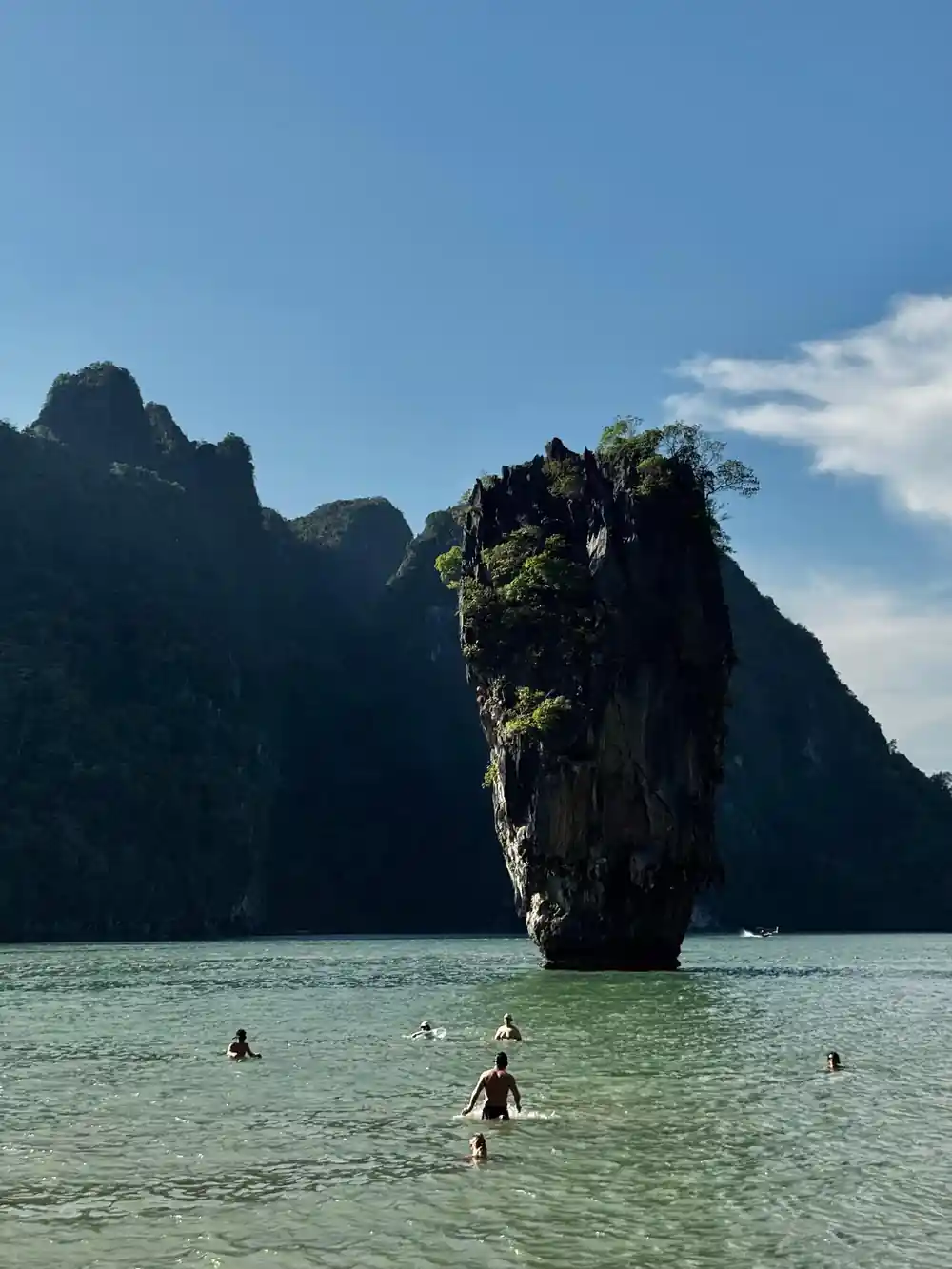
Salt water, dark caves and limestone: dress for the water, not for the shore.
Changing rooms and toilet facilities
There is no reliable changing room at sea, so the practical answer is to arrive already dressed for the water. Wear your swimwear under your clothes, bring a sarong or a large quick-dry towel, and change back at the hotel or in the van once the day is done. Piers and island stops often have simple washrooms, and you should treat them as a bonus rather than a guarantee.
Toilets on boats are usually small, sometimes basic and not always pleasant after a long day on the water. Use the facilities on land before you board, and again at any stop where you see them. Keep a little toilet paper or tissues and some hand sanitiser in your dry bag, since supplies run out. If you are travelling with children or older relatives, ask about facilities when you check availability for the tour, because the answer can change with the boat.
A spare set of dry clothes left in the van is the kindest thing you can do for yourself. After the last paddle, when everyone is damp and slightly salty, being able to pull on a clean shirt and shorts for the drive back makes the whole evening feel better.
Keeping phones dry and photographing after dark
Water gets into everything on a boat, and a phone that has been soaked in salt water rarely comes back. Use a proper waterproof pouch or a dry bag with a roll top, test it with a tissue before you leave, and keep the phone on a lanyard around your neck so it cannot slip into the bay when the canoe rocks. Turn on airplane mode to save battery, and keep the pouch out of direct sun.
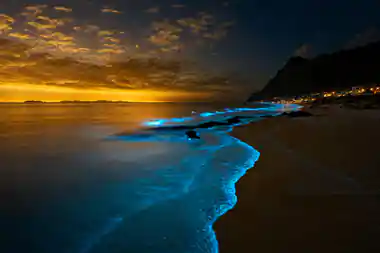
Night photography here is about patience rather than flash. The glow in the water comes from dinoflagellates, microscopic single-celled organisms that emit blue-green light when disturbed, and it shows up best in dark, calm water.[3] A flash kills the effect and lights up your paddle instead. Brace the phone against the canoe, use night mode or a long exposure, and let the guide stir the water so the light blooms around the blade.
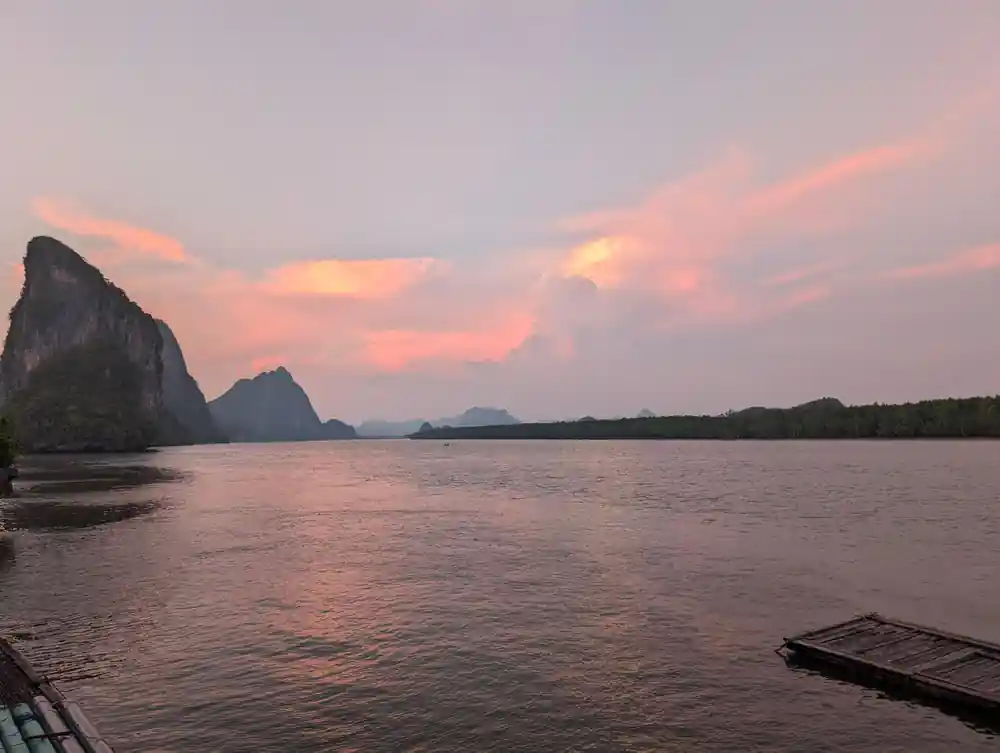
Some night kayak tours in Phang Nga Bay include a sunset paddle under the evening sky, with bioluminescent plankton glowing in the water as the light goes.[9] If a good photo matters to you, take a few test shots while there is still some light and learn how your camera behaves before the darkness settles in.
from US$88
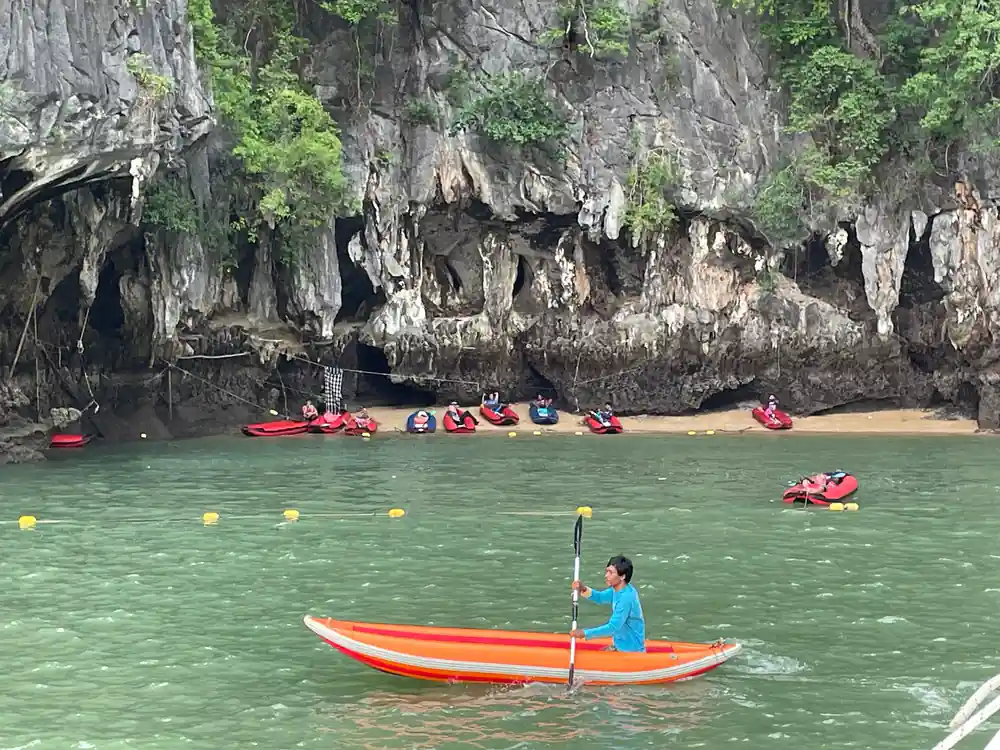
A van, a speedboat and a canoe, with stops at Panak Island, Ko Hong and James Bond Island, and glowing water after dark.
Managing seasickness on the speedboat
The day moves by van and speedboat before the canoes come out, and the fast legs are where stomachs usually turn.[1] Take any medication well before you board, not once you already feel unwell, and choose a seat where you can see the horizon. Sitting in the middle of the boat, low down and facing forward, generally feels steadier than the bow, where every wave lifts you.
Keep your eyes on something fixed and distant rather than on a phone screen or a book. Fresh air helps, so stay out of the cabin if you can, and loosen tight clothing around your waist. Ginger, plain crackers and cold water are old, cheap remedies that many travellers still swear by. If you feel the first warning signs, tell your guide early; they do this every day and usually know exactly where to point you.
It is worth remembering that the paddling itself is gentle. A canoe on calm water, moving at walking pace, rarely troubles anyone who struggled on the crossing, and sheltered cliffs and enclosed lagoons often cut the chop completely.
Insects and sun protection at dusk
Dusk is when the mosquitoes come out over the mangroves, so pack repellent and use it before you get on the water, not after the first bites. Covering up is more effective than any spray: a light long-sleeve shirt and loose trousers keep insects off your arms and ankles while still letting the breeze through. Spray your ankles, wrists and neckline, the places people forget.
For a beach vacation, November to February is the ideal window in Phang Nga Bay, with sunny tropical weather and festivals to enjoy.[10] Whatever the month, the sun is still strong in the late afternoon, so use sunscreen on your face, ears, neck and the tops of your feet before you leave the hotel, and take a hat that will not fly off in the wind. Reef-safe sunscreen is the better choice in a national park where you will be in and out of the water.
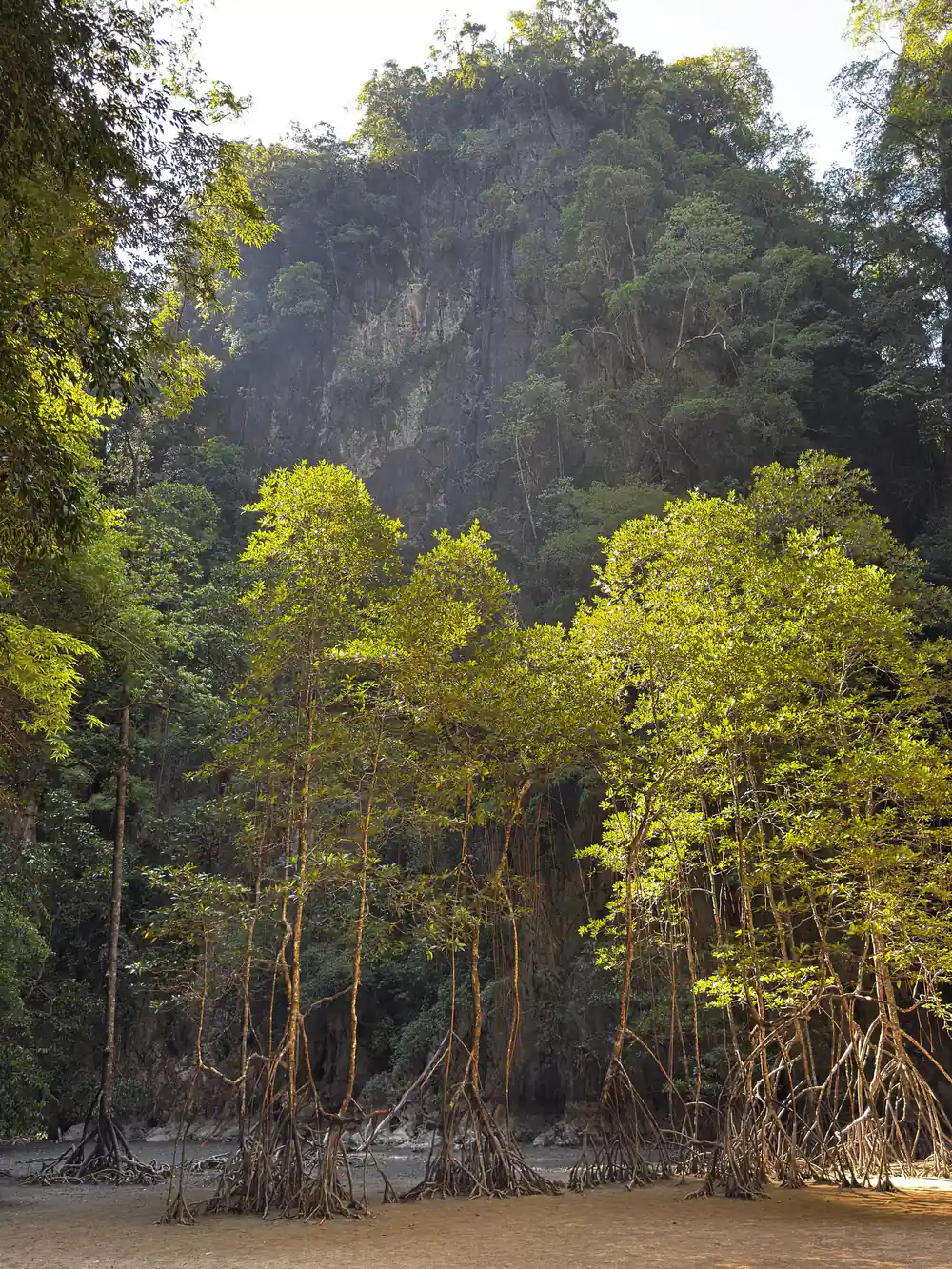
Mangrove species found along the Phang-Nga coast include Rhizophora apiculata, Rhizophora mucronata and Avicennia alba, and these tangled root systems are exactly the damp, shady places insects love.[11] Insect repellent and a long-sleeve layer are your best tools for the hour after sunset, and both weigh almost nothing.
Footwear for limestone terrain and canoe boarding
Bring sandals with a strap around the heel rather than a loose pair of flip-flops. You will be stepping from a boat onto wet, uneven ground, and shoes that stay on your feet make that easier. Something you can slip off in a second is ideal, because the floor of a canoe is smooth and wet, and bare feet grip it better than a sole full of sand.
Limestone is slippery when wet, and the steps and platforms at island stops are often polished by thousands of feet. A sole with real grip helps far more than cushioning does. Leave the new white trainers at the hotel, and if you have sensitive feet, thin neoprene socks protect against sharp shells and hot sand without adding bulk.
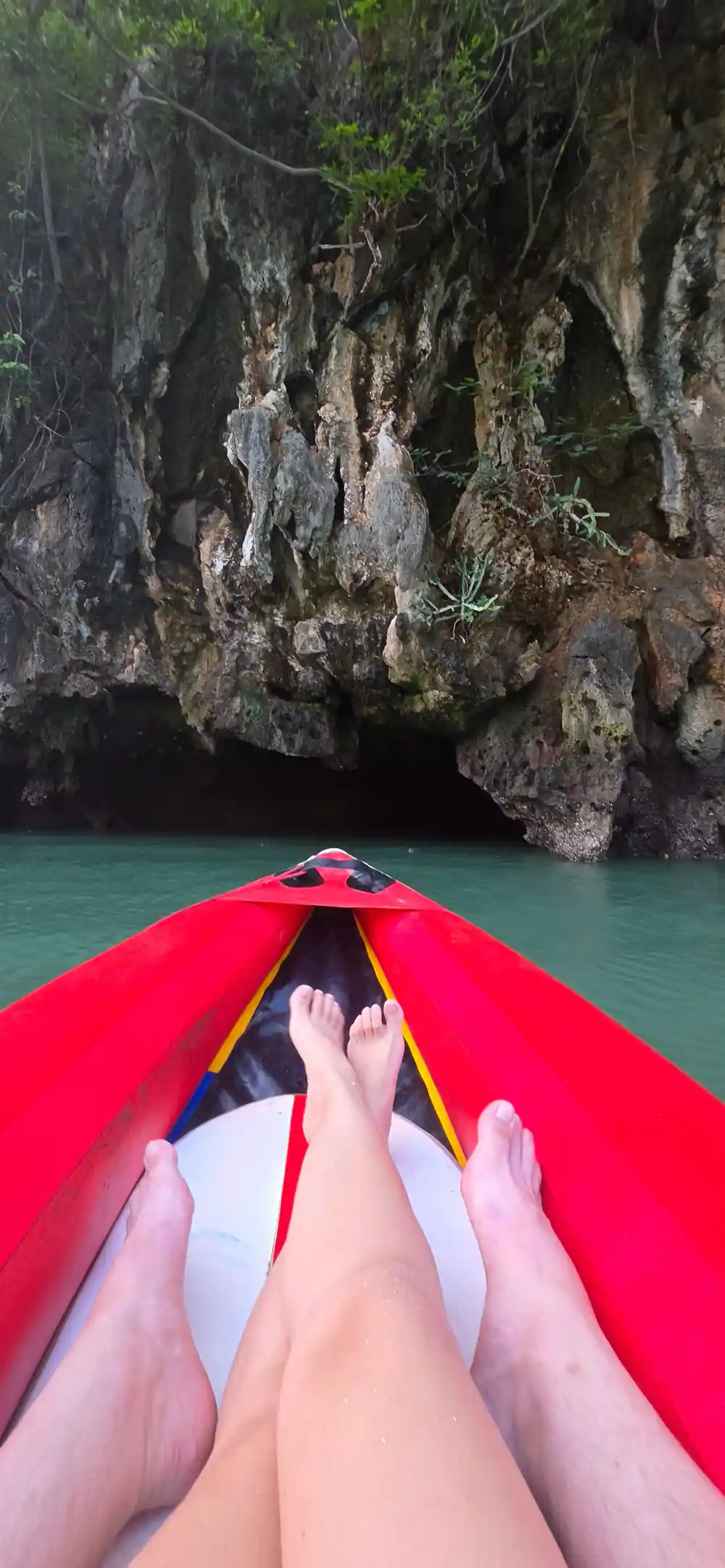
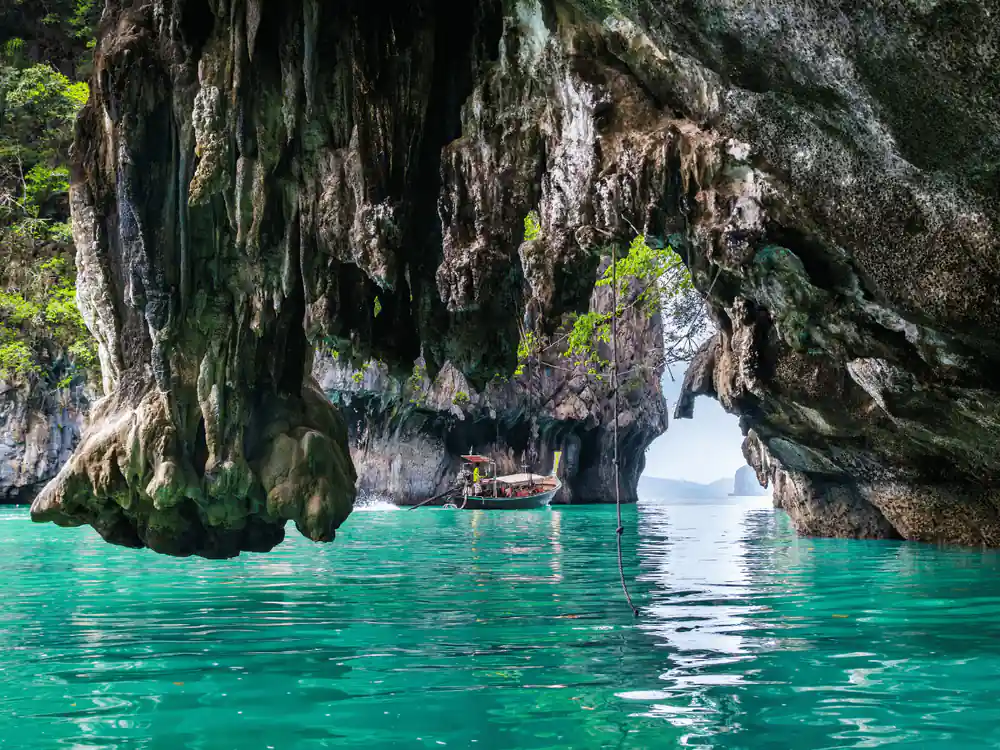
Boarding a canoe usually means sitting down low and swinging your legs in, so shorts or trousers that dry fast and do not hold water are easier than heavy denim. Getting into the hidden lagoons is the reward: a hong is an enclosed lagoon inside towering limestone cliffs, reached by lying flat in a kayak and paddling through a dark, narrow cave passage that opens into a hidden world.[12] Elsewhere in the bay, the cliffs at Khao Khian carry prehistoric cave paintings estimated to be around 3,000 to 5,000 years old, showing animals, boats and symbols.[13]
How long a Phang Nga Bay day runs
Compare from-prices for a day on the bay
From-prices per traveller in US dollars, taken from these GetYourGuide listings:[1][4][5][14].
When to book your evening canoe trip
Evening canoe trip prep
Book and confirm
Reserve your place, then check availability for pickup options and starting times, since these change with the date.[1]
Pack the small bag
Dry bag, waterproof pouch, towel, water, repellent and a light layer. Leave the rest of your luggage behind.
Dress for water
Swimwear under quick-dry clothes, sandals you can slip off, and a hat that stays on in the wind.
Board and settle
Sit low and central on the speedboat, keep your eyes on the horizon, and take any medication before you leave the pier.
Paddle, then dry off
Lie flat for the dark cave passages, keep the flash off after dark, and change into dry clothes in the van afterwards.[12]
Reserve your evening on Phang Nga Bay before the good dates go
from US$89Reserve now & pay later