Quick summary
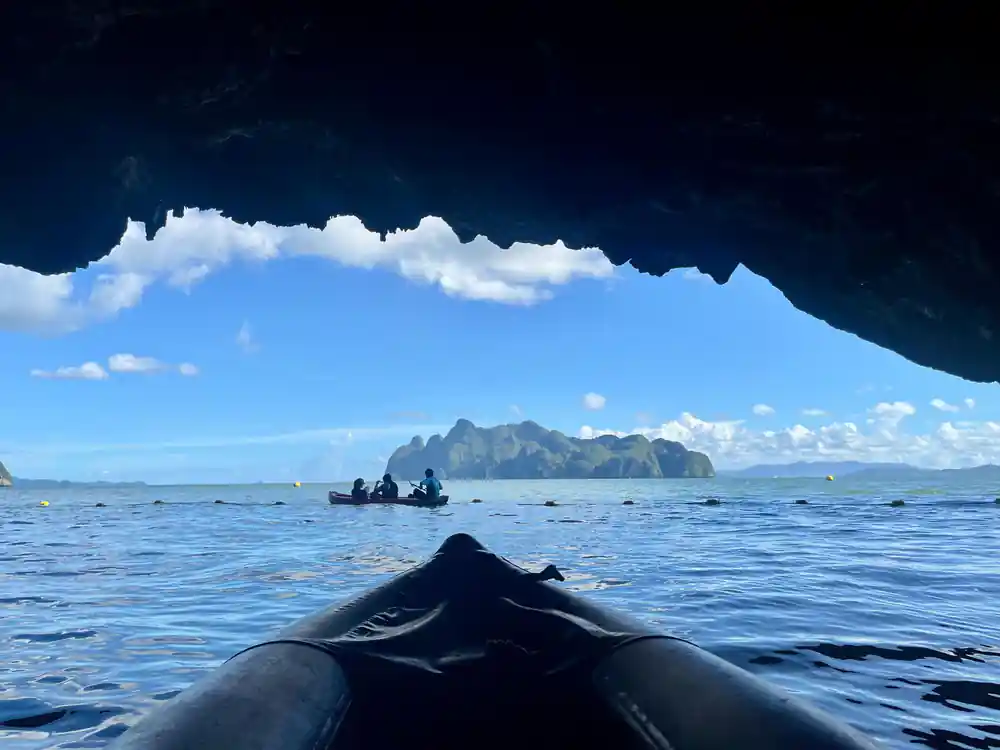
- A lagoon hidden inside a limestone island, reached by lying flat in a kayak and paddling through a dark, narrow cave passage that opens into a hidden world.[1]
- Bioluminescent plankton in Phuket and Phang Nga Bay are caused by dinoflagellates, microscopic single-celled organisms that emit blue-green light when disturbed.[2]
- Ao Phang Nga National Park is a Category 3 national park with a foreign adult entrance fee of 300 baht, and alcohol is not allowed in Thailand's national parks.[3][4]
- For a beach vacation, November to February is the ideal time to visit Phang Nga Bay.[5]
- Some night kayak tours in Phang Nga Bay include a sunset paddling experience under the evening sky, with bioluminescent plankton glowing in the water.[6]
- Top choice Plankton and sea canoes from US$88 Duration8 hours[7]Rating4.77 from 2,619 reviews[7]Guide languagesEnglish, Spanish, German[7]CancellationFree up to 24 hours before[7] Check availability
- Twilight sea canoe from US$106 Duration1 day[8]Rating4.90 from 1,954 reviews[8]Guide languagesEnglish[8]CancellationFree up to 24 hours before[8] See this tour
- Big boat canoeing tour from US$48 Duration10 hours[9]Rating4.72 from 4,048 reviews[9]Guide languagesEnglish, Thai[9]CancellationFree up to 24 hours before[9] See this tour
The Department of National Parks, Wildlife, and Plant Conservation posted on its Facebook page a list of regulations for tourists visiting national parks in order to ensure their own safety and to protect nature, as follows: - No alcohol allowed in national parks;
Our verdict on the night cave tour
Booking tips
Limestone that began as a warm sea
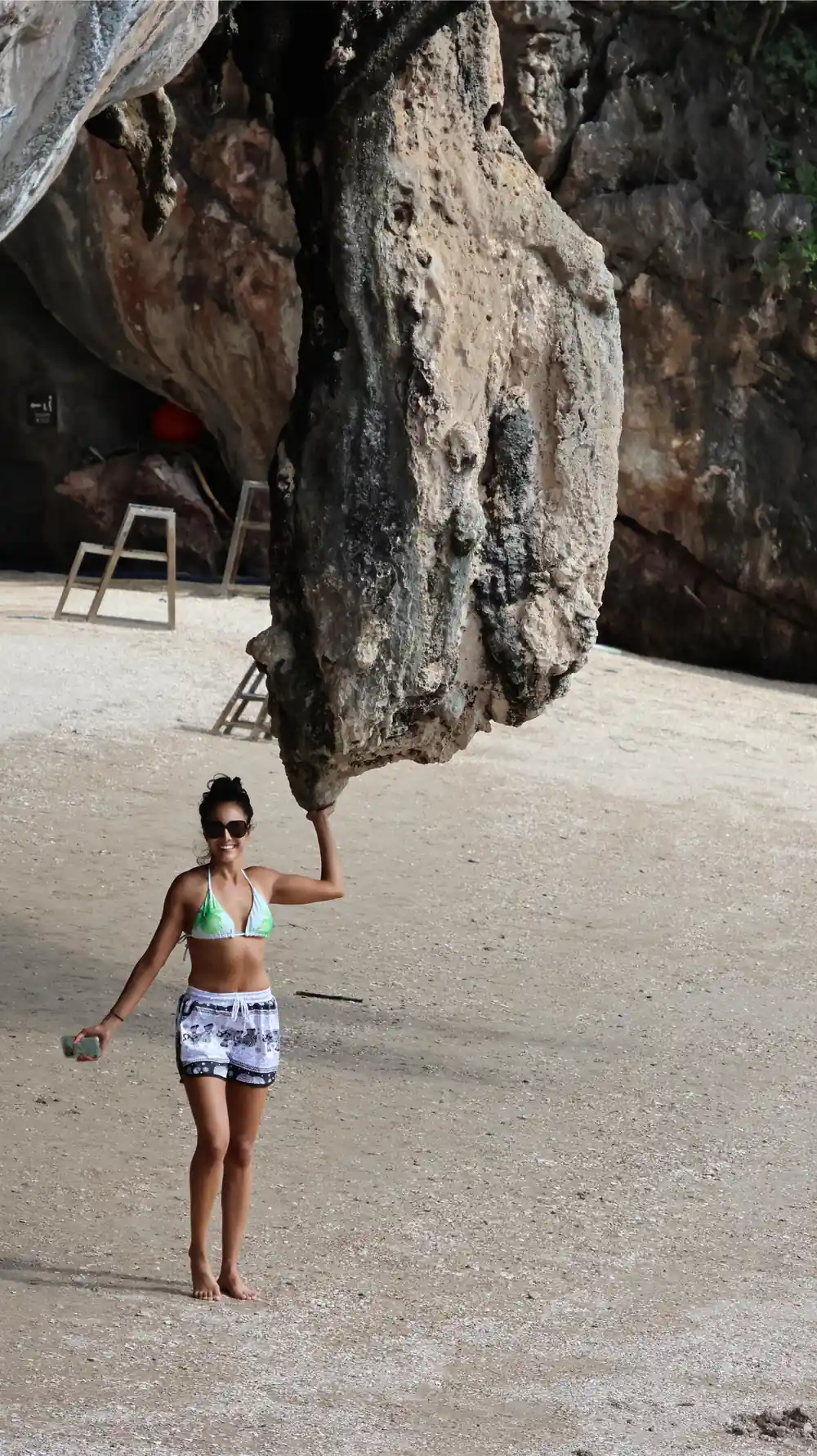
Phang Nga Bay's islands are the weathered remains of a limestone plateau, slowly dissolved into towers, overhangs and arches. The rock started as layers of shell, coral and lime mud on a warm sea floor, then hardened and was lifted up. Rain, waves and mildly acidic water did the rest, working along cracks and bedding planes until the softer rock wore away and only the resistant blocks were left standing. Ao Phang Nga National Park was established in 1981 and spans approximately 154 square miles (400 square kilometers).[10]
The bay is a protected park rather than a stretch of free beaches, so there is a fee to enter rather than a ticket per island. Ao Phang Nga National Park is a Category 3 national park with a foreign adult entrance fee of 300 baht.[3] Keep in mind too that alcohol is not allowed in Thailand's national parks, which changes what goes into the cooler.[4] Along the sheltered coast the mangrove belt is thick with species such as Rhizophora apiculata, Avicennia alba, Bruguiera cylindrica and Xylocarpus granatum.[11]
How collapsed caves became hidden hongs
A hong is a lagoon hidden inside a limestone island. The word means room in Thai, and that is what it feels like: a walled space open to the sky, ringed by cliff and jungle, with no beach to step onto and nowhere to go but around.[1] Many hongs begin as caves, eaten along fractures in the rock by slightly acidic water, then widened until the roof could no longer hold itself up and came down. What is left is a hollow with a narrow way in at water level, sometimes barely wider than a canoe.
Getting in is the part people remember. A hong can only be reached by lying flat in a kayak and paddling through a dark, narrow cave passage that opens into a hidden world.[1] Once you are through, the sound changes: paddles drip, voices carry around the walls, and the light comes from a circle of sky above you. Mangroves often crowd the rim, and the water inside is shallow, warm and still.
The hongs are among the hidden gems in Phang Nga Bay, and a canoe is the only way in. They are also fragile. The walls are soft under a hand, the floors are mud and root, and the creatures inside have nowhere to go when a crowd pushes through. Go in quietly, keep your hands off the rock, and let the guide set the pace.
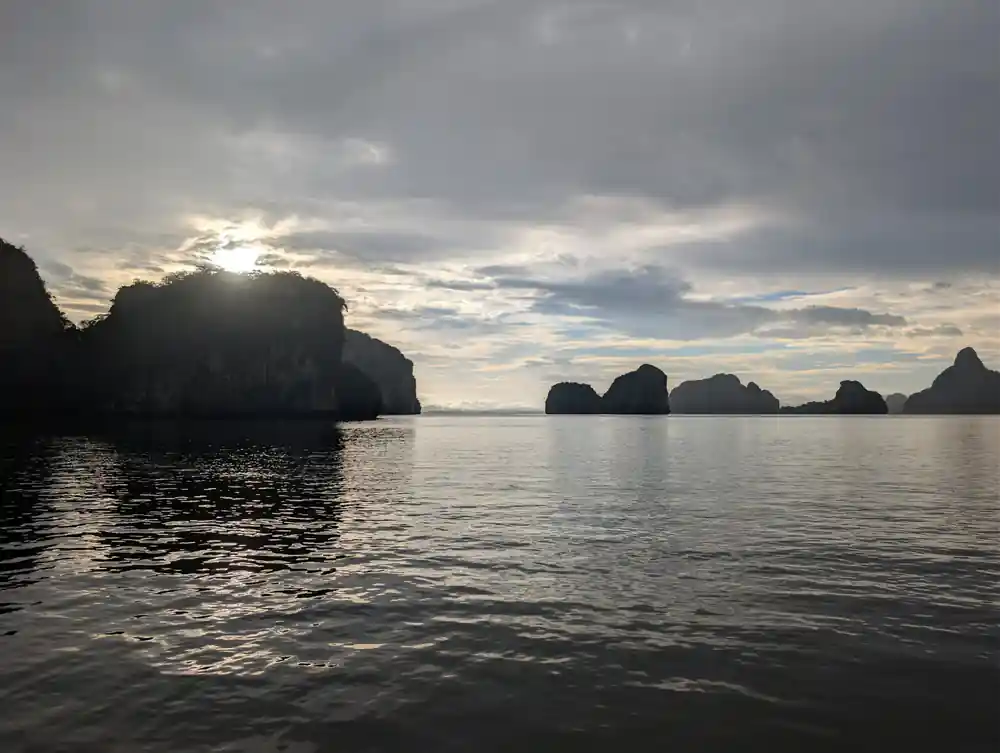
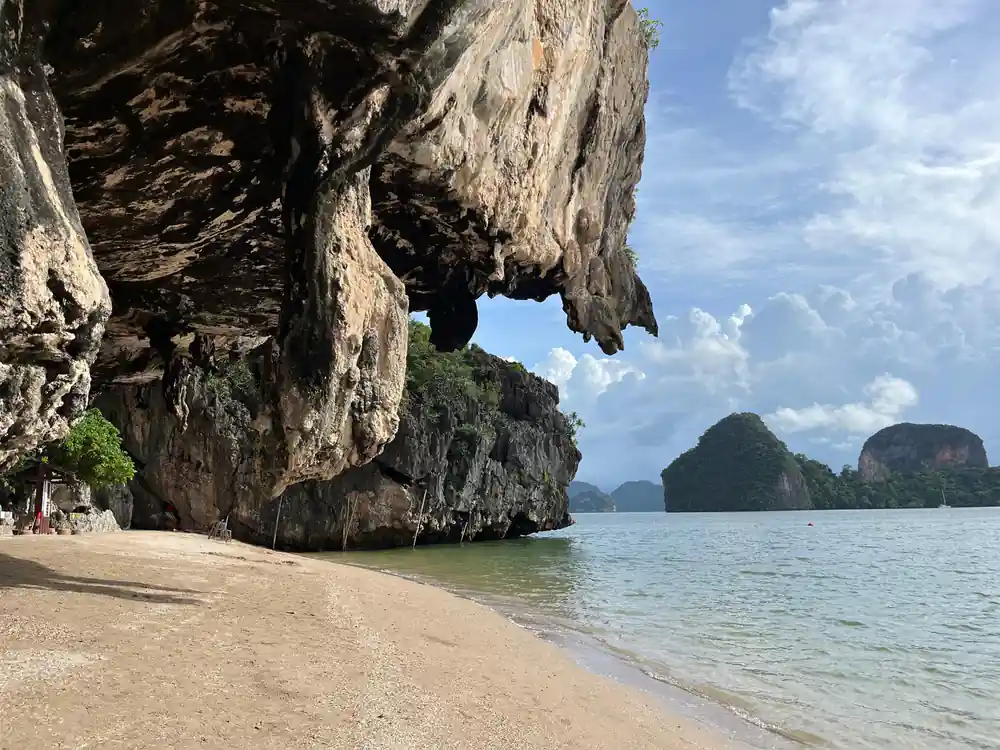
Limestone towers and shallow green water on the run out into Phang Nga Bay.
Stalactites and cave life in the dark
Inside a cave, the ceiling is doing slow work. Water seeping through the limestone leaves a thin ring of calcite behind each time it drips, and those rings build into stalactites; where the drips land, stalagmites rise to meet them. Some are needle thin, some fat and lumpy, and the colour runs from cream to rust where minerals and old flood lines stain the rock. Bring a torch to look, but keep your hands off: the oils on skin stop the deposits from growing.
Caves are not empty. Birds that nest in the dark fly in and out of the mouths, bats hang deeper inside, and crabs and insects work the damp floor near the entrances. The cliffs outside carry a different set of lives: tough figs and palms rooted in cracks, and lizards on the warm rock. Damp limestone has its own colours too, with green algae and orange lichen painting the shaded walls.
People have been visiting these cliffs for a very long time. Prehistoric cave paintings at Khao Khian in Phang Nga Bay are estimated to be around 3,000-5,000 years old and depict animals, boats and various symbols.[12] Look for red and brown figures drawn straight onto the limestone, low down and easy to miss if you are watching the water instead of the wall.
Ice Age seas and rising limestone cliffs
The shape of the bay is a sea level story. When the ocean stood far lower, these towers were hills on a coastal plain, and rain and rivers cut down between them. As the sea came back, it flooded the low ground and turned the hills into islands, leaving notches and undercut bases at the height the water reached.
Because limestone dissolves instead of crumbling, that flooding did not simply wear the cliffs back. It hollowed them from the inside: old cave systems filled with water, arches became bridges, and dry passages turned into the tunnels you paddle through today. The rock is still changing. Blocks fall, roofs thin, and an entrance can silt up or open somewhere new after a storm.
Watch the waterline as you pass a cliff and you can often read that history in a glance: a pale notch where the sea has nibbled, a dark band of algae above it, and honeycomb weathering where salt crystals have prised the surface apart. Nothing here is finished. Every wet season moves a little more rock.
from US$88
The Phuket: Phang Nga Bay Bioluminescent Plankton and Sea Canoes tour runs for 8 hours by speedboat, with pickup available.[7]
Tidal cycles and vanishing cave entrances
Tide decides a lot in the bay. A passage with plenty of headroom at high water can be too shallow or too tight later in the day, and swell pushed in by weather changes it again. Guides read the water and reorder the stops, so the same itinerary can feel like a different trip a week later. Build that looseness into your expectations and you will enjoy it more.
Dress for wet limestone. Quick-dry shorts, a shirt you do not mind soaking and shoes with grip are the practical choice for climbing in and out of canoes on slippery decks. A dry bag keeps phones and cameras safe, and a light long-sleeved layer helps with sun on the crossing and insects around the mangroves. If you are out after dark, a small torch makes finding your bag much easier once the light goes.
Watch the sky as well as the schedule. Tropical weather can flip within an hour, and a flat morning does not promise a flat evening. If you have a flight or a transfer the next morning, keep the plan loose and tell your guide what time you need to be back.
Ko Hong versus Panak: two cave stories
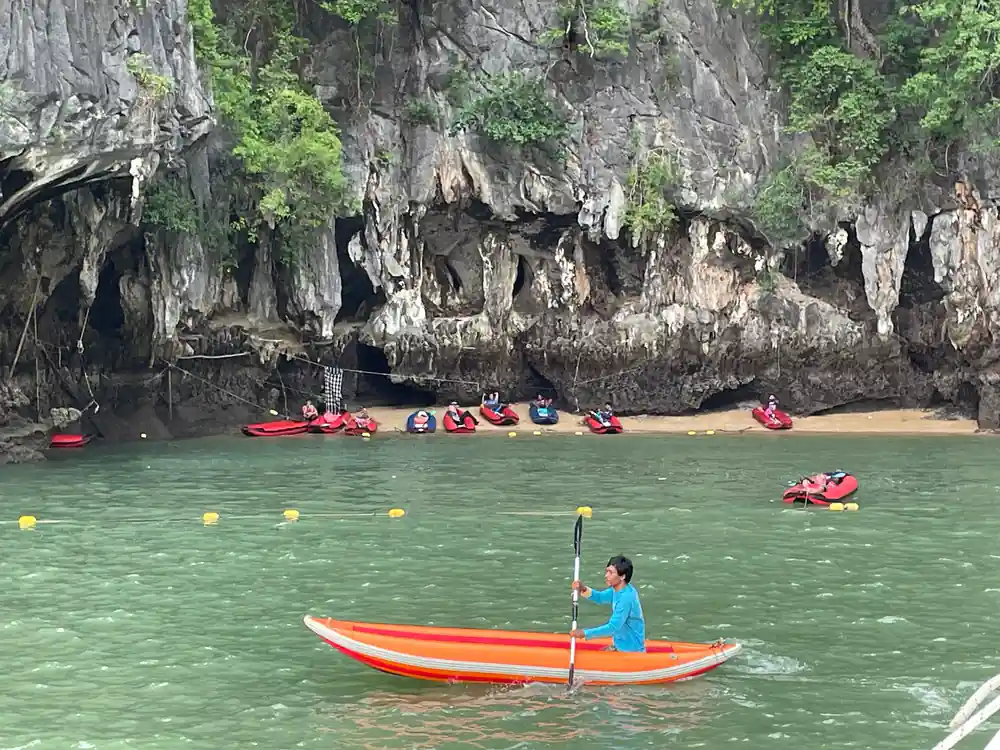
The Phuket: Phang Nga Bay Bioluminescent Plankton and Sea Canoes tour puts two cave islands on the same day: Panak Island and Ko Hong in Phang-nga Province, on an 8-hour speedboat trip that starts from Phuket Boat Lagoon.[7] The route also takes in James Bond Island and the open water of Phang Nga Bay before the run home.[7]
On the water the difference between the stops shows up fast. Some rooms are broad and bright, with a ceiling of sky and flat water that mirrors the cliffs; others are low and dark, and you lie back in the canoe and pull yourself along the roof of the passage by hand. Which island gives you which depends on the tide, the light and the sea that day, so treat the order of stops as a plan rather than a promise.
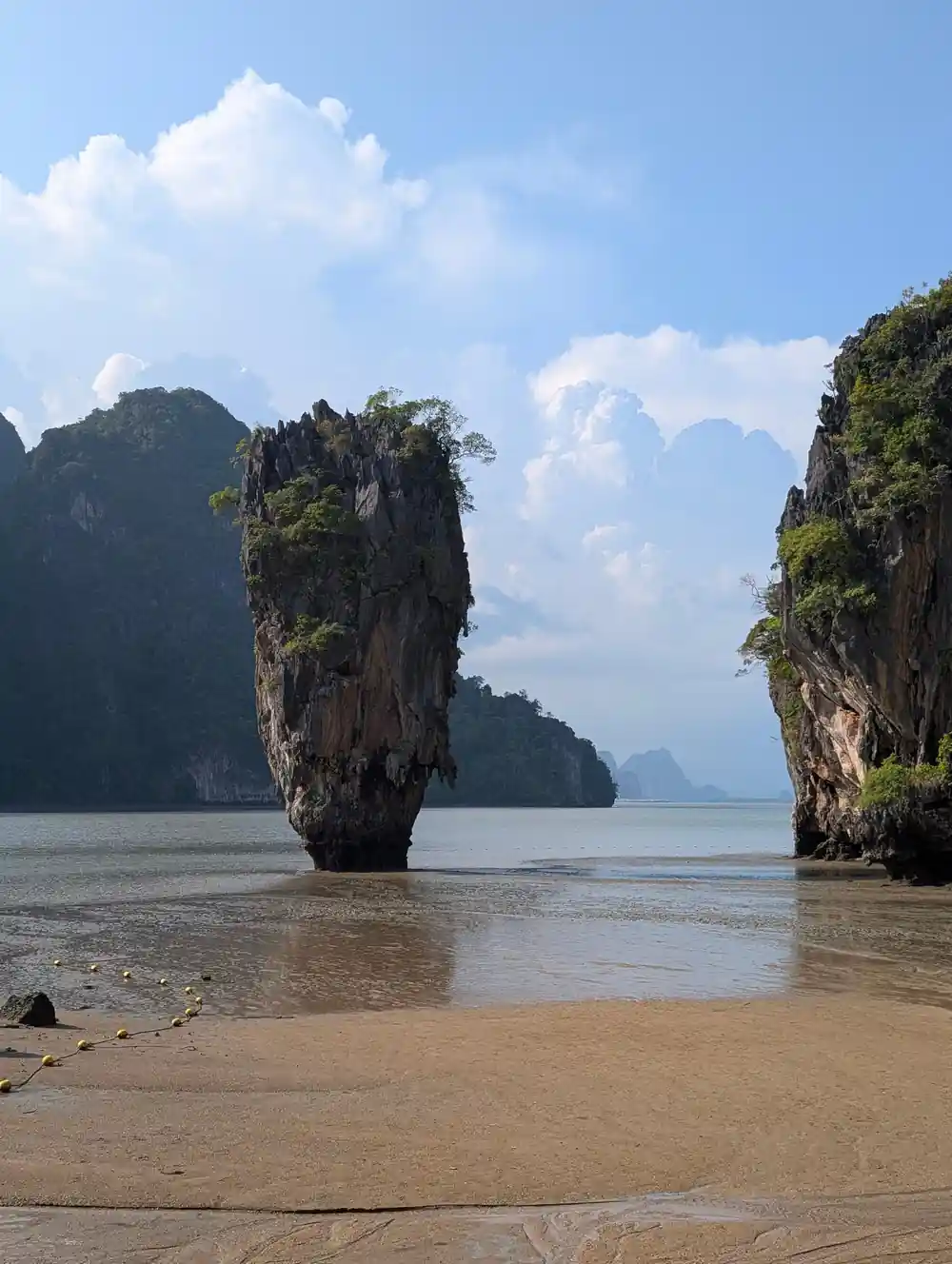
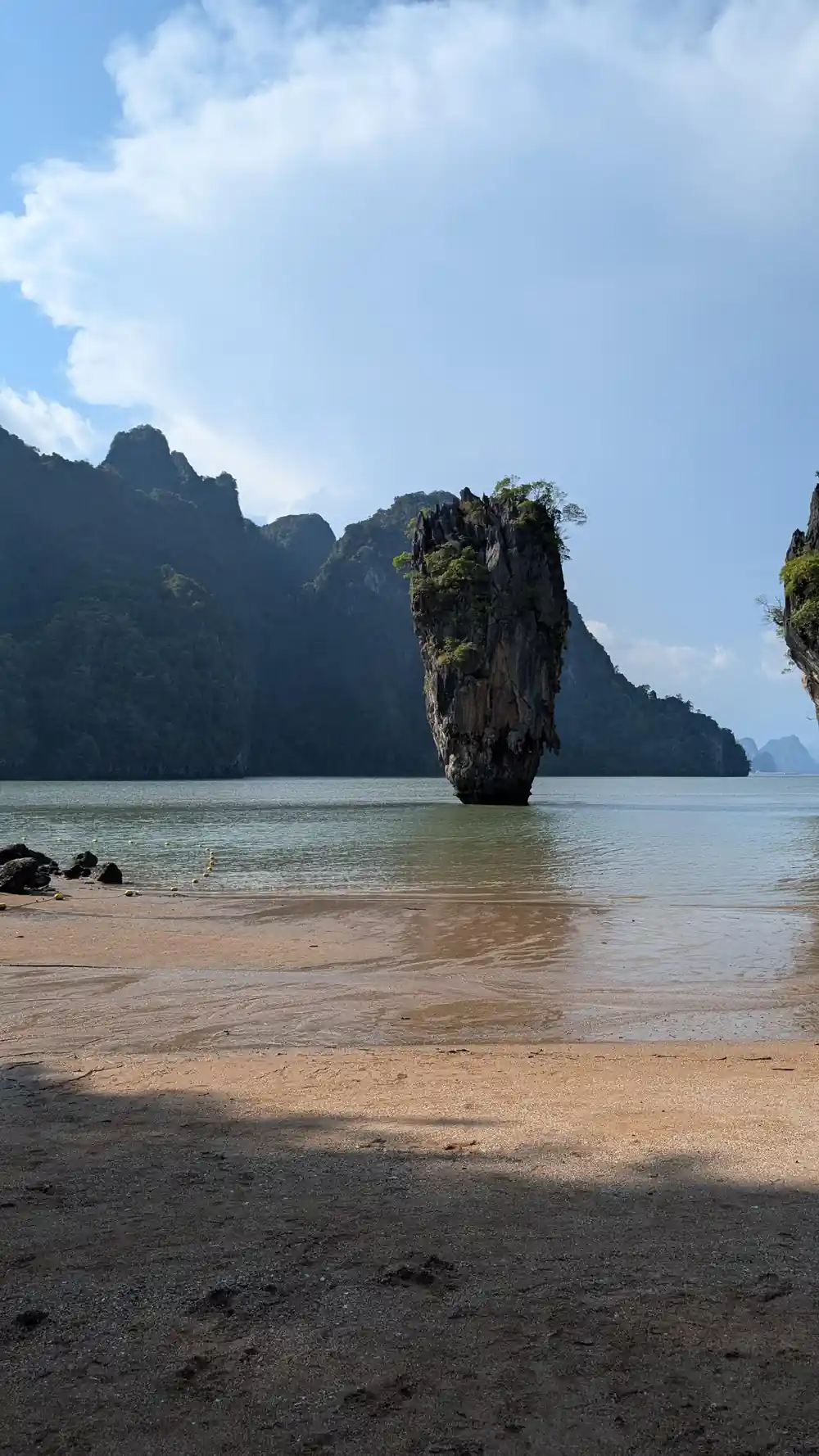
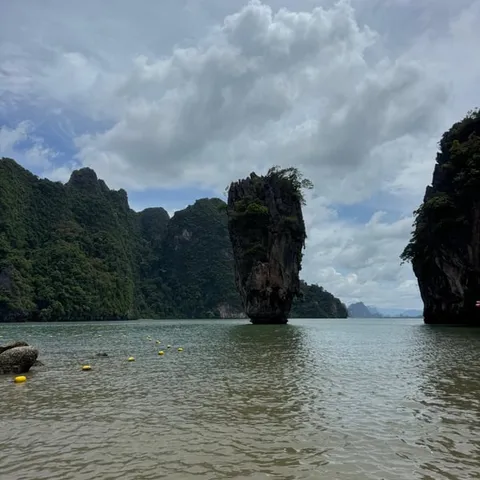
Two other stops are worth knowing about before you go. Koh Panyee is a floating village built entirely on stilts by Indonesian fishermen, sitting at the foot of a towering limestone cliff in Phang Nga Bay.[13] James Bond Island, officially Ko Tapu on the twin-peaked islet of Khao Phing Kan, is a limestone spire made world-famous by the 1974 James Bond film The Man with the Golden Gun.[14]
Bioluminescent plankton and the night paddle
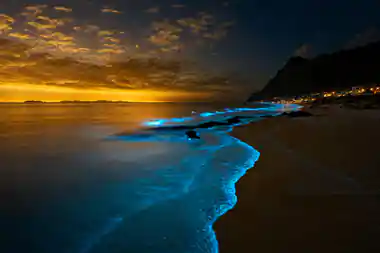
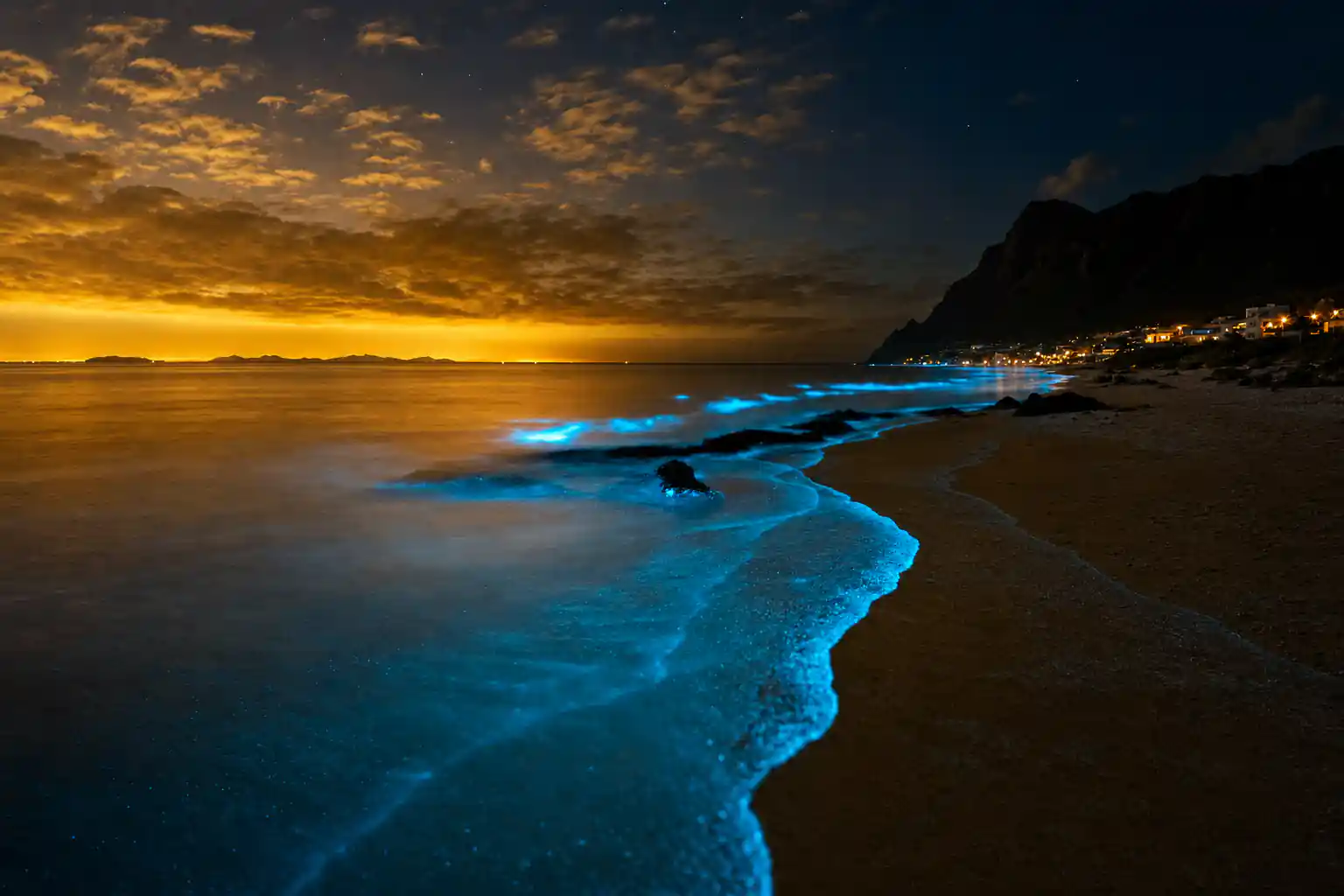
The glow in the water comes from dinoflagellates, microscopic single-celled organisms that give off blue-green light when they are disturbed.[2] It is not a lamp and not a reflection: a paddle stroke, a hand drawn through the water or a splash off the hull lights a brief trail behind you. The effect shows best in dark, calm water, which is why the quietest stretch of the evening is usually the one people remember.[2]
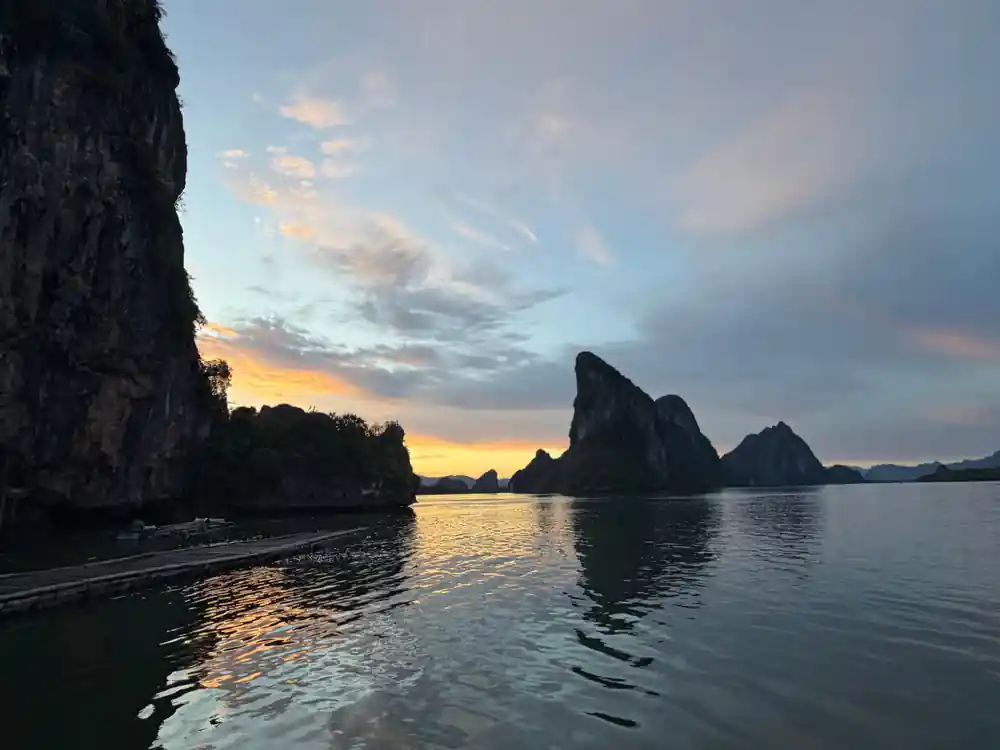
Some tours offer a sunset kayaking experience, where you paddle under the evening sky and witness bioluminescent plankton glowing in the water.[6] Timing matters more than gear here: bright light from the moon or from shore washes the glow out, while a dark, still night makes it plain to see. Cameras struggle with light this dim, so watch with your eyes first and try a long exposure from a steady boat afterwards if you want a picture.
The Phuket: Phang Nga Bay Bioluminescent Plankton and Sea Canoes tour folds the limestone and the plankton into one 8-hour run, with English, Spanish and German guides and a from price of US$88.[7] It is rated 4.77 from 2,619 reviews, with live tour guides, pickup available and free cancellation up to 24 hours in advance.[7]
From-prices for three Phang Nga Bay canoe tours
From-prices taken from the GetYourGuide listings for these tours:[7][8][9]
What the listed Phang Nga Bay canoe tours cost from
US dollar from-prices from the GetYourGuide listings:[7][8][9]
When to go and when to book
How to plan your cave day
Pick your boat
Match the boat to the day you want: a speedboat for the plankton run, a big boat for a slower crossing. Pickup options appear when you book.
Read the season
For a beach vacation, November to February is the ideal time to visit Phang Nga Bay.[5]
Pack for wet rock
Quick-dry clothes, shoes with grip, a dry bag and a light layer for the evening crossing.
Know what a hong is
A hong is an enclosed lagoon inside limestone cliffs, reached by lying flat in a kayak through dark, narrow passages.[1]
Save your eyes for the dark
The plankton glow shows best in dark, calm water, so keep the night stop phone-free.[2]
Phang Nga Bay caves and the glow of plankton after dark
from US$89Reserve now & pay later